
The parable of the prodigal son is one of Jesus' most recognizable stories, but familiarity can make it feel smaller than it is. A younger son asks for his inheritance while his father is still alive. He leaves home, wastes what he has, falls into hunger and humiliation, and finally begins the long walk back. Before he can finish his rehearsed speech, the father runs to him, embraces him, clothes him, and calls for a feast. Then the older son stands outside, angry that mercy has interrupted his sense of fairness.
A video can make this story feel painfully near. It can show the distance of the road, the exhaustion of the son, the father's watchful waiting, the shock of an embrace before an explanation, and the cold silence of the older brother outside the celebration. But a cinematic retelling must remain a servant of Scripture. Video helps us imagine and enter the biblical story; it does not replace the words Jesus gave in Luke 15. The faithful rhythm is simple: watch → read → reflect → pray.
The biblical setting of Luke 15
Jesus tells this parable in a specific moment. Luke says tax collectors and sinners were drawing near to hear him, while Pharisees and scribes grumbled, "This man receives sinners and eats with them." In response, Jesus tells three connected stories: a lost sheep, a lost coin, and a lost son. All three reveal joy over what is recovered. All three challenge listeners to see mercy not as a threat to holiness, but as a sign of God's seeking love.
The third story is the longest and most complex. The younger son dishonors his father, leaves the household, and squanders his inheritance in a far country. When famine comes, he ends up feeding pigs and longing to eat their food. For Jesus' original hearers, the details would have carried shame, uncleanness, and social collapse. The son has not merely made a mistake; he has broken relationship and come to the end of himself.
Yet the father's response is the surprise at the center of the story. He sees the son while he is still far off, is moved with compassion, runs, embraces him, and kisses him. The son confesses, but the father moves quickly toward restoration: robe, ring, sandals, feast. The lost son is alive again. The household rejoices.
Then Jesus turns the story toward the older son. He has been near the house but far from the father's heart. He resents celebration, compares himself to his brother, and refuses to enter. The father goes out to him too. That detail matters. The father's mercy moves toward both sons: the openly rebellious and the dutiful but resentful.
Why this parable works powerfully in video
The prodigal son is full of visual contrast: a home and a far country, money and hunger, noise and silence, shame and embrace, music inside and bitterness outside. A thoughtful Bible video can slow viewers down enough to notice those contrasts. It can help us feel the younger son's collapse without glamorizing rebellion. It can help us see the father not as passive, but as watchful, compassionate, and willing to bear public cost for reconciliation.
The road home is especially powerful on screen. In the text, the son prepares a speech: "Father, I have sinned against heaven and before you." A video can portray the weight of that walk—the fear of rejection, the hope of being hired, the dust on his feet, the ache of returning to the place he had dishonored. When the father runs, the scene should not become sentimental decoration. It should point back to Jesus' message: heaven rejoices over sinners who repent, and the Father's mercy is greater than the son's rehearsed bargain.
The older brother also deserves careful attention. Many retellings focus only on the younger son, but Jesus ends with the older son outside. A faithful video can let viewers feel the discomfort of that ending. The question hangs in the air: will he enter the feast? Will the religious listener rejoice when the lost are welcomed home? Will the obedient-looking heart receive the father's generosity, or resent it?

The Bible has never felt like this
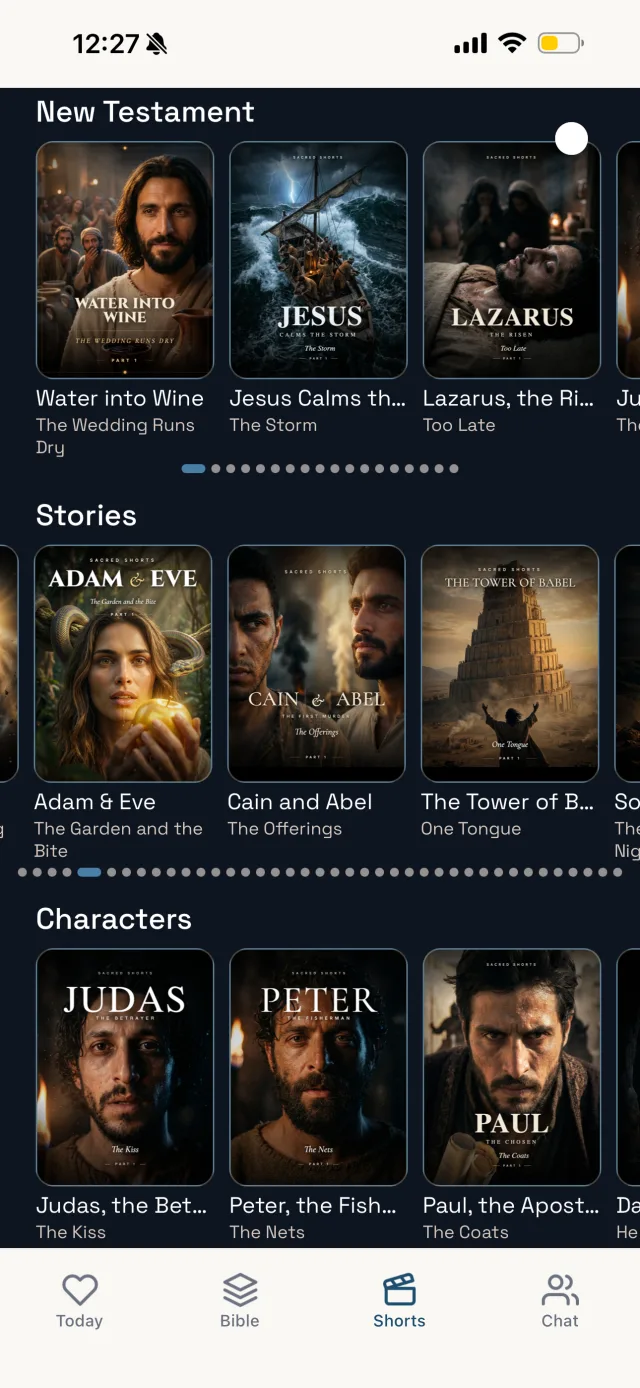
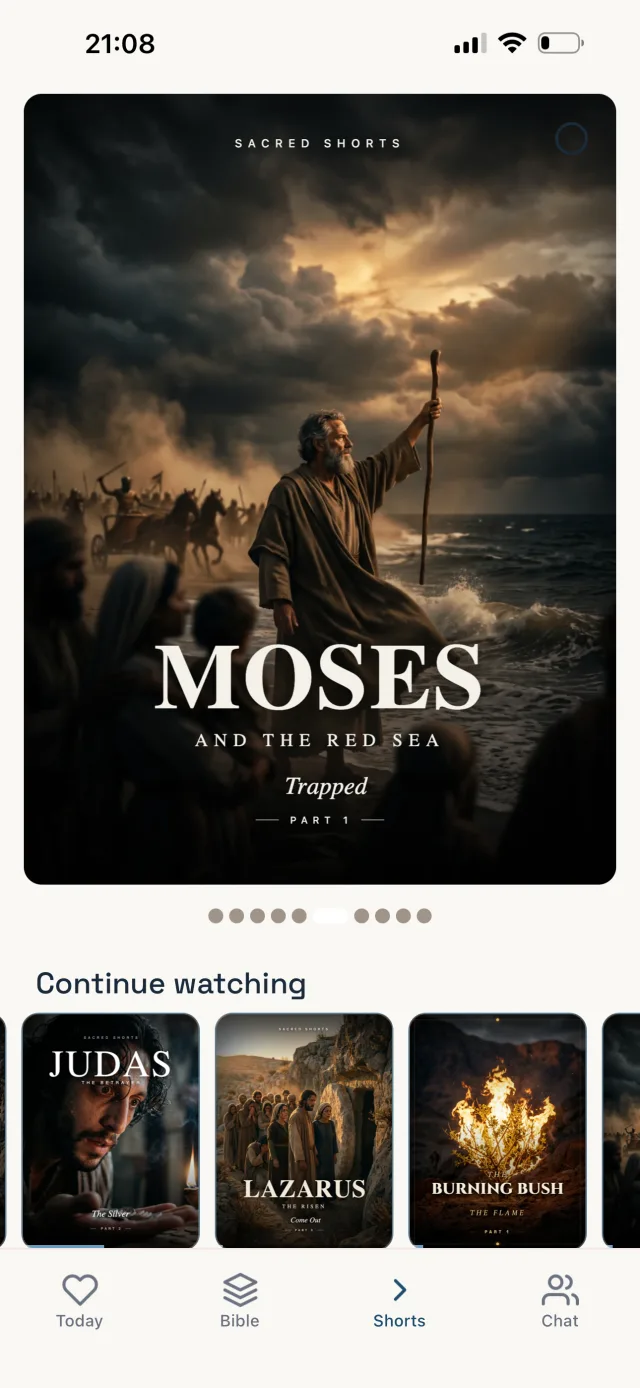
Watch this story come to life as a cinematic series in Sacred.
4.8on the App Store
Video helps us imagine, but Scripture remains first
Every Bible video makes interpretive choices. How old is the younger son? What does the far country look like? How stern or tender is the father? How long does the camera linger on the older brother? Those choices can help us notice the story, but they are not the inspired text. Luke 15 gives us Jesus' words, the context, and the theological weight. The video should send us back to the passage with better attention.
This is important because Christians sometimes emphasize different parts of the parable. Some focus on repentance and the younger son's return. Others emphasize the father's extravagant grace. Others highlight the older brother as a warning to religious pride. These are not enemies when they are held under the text. The parable shows real sin, real repentance, astonishing mercy, and the danger of refusing joy when God welcomes the lost.
So after watching, open Luke 15. Notice who is listening. Notice the grumbling that prompts the parables. Notice the repeated language of lost and found, dead and alive, celebration and resentment. Ask what the video made vivid, what it could not include, and where the biblical text deepens or corrects your first impression.
A simple rhythm: watch → read → reflect → pray
First, watch with attention. Do not treat the scene as a moral fable about trying harder. Watch the relationships. Watch the dishonor, hunger, confession, embrace, celebration, and anger. Let the story feel personal without rushing to make yourself only one character. At different moments, many of us can resemble both sons.
Second, read Luke 15:11–32 slowly. If possible, read the whole chapter, because the lost sheep and lost coin prepare you for the lost son. Pay attention to the father's movements. He goes out to the younger son in compassion, and he goes out to the older son in patience. Mercy is not careless; it is active, costly, and joyful.
Third, reflect honestly. Where are you tempted to run from the Father? Where do you bargain with God instead of receiving grace? Where do you stand outside the feast because someone else received mercy? Reflection should not become vague guilt. It is an invitation to come into the light of the Father's compassion.
Finally, pray. You might pray: "Father, bring me home where I have wandered. Save me from resentment where I have stayed near but grown cold. Teach me to rejoice in your mercy and to return to your Word with humility." Prayer turns the watched scene into a response before God.
Where Sacred fits naturally
Sacred is built for this Scripture-first rhythm. Sacred Shorts can help the parable feel present rather than distant. The Study Bible can bring you back to Luke 15 with context and chapter-by-chapter reading. AI Bible Chat can help you ask careful questions about repentance, grace, the older brother, and how this parable connects to the rest of Luke. Guided Prayer can help you respond personally without pretending a video has replaced Scripture.
Reading Scripture is always free in Sacred, because the video is not the destination. It is a doorway. Watch the scene, read the passage, reflect on the Father's mercy, and pray your way home.
FAQ
What is the main message of the prodigal son?
The parable reveals the Father's mercy toward the lost and exposes the danger of resentment in those who stand near the house but far from the father's joy. It calls sinners home and invites religious hearts to rejoice in grace.
Is the prodigal son mainly about repentance or grace?
It includes both. The younger son truly returns and confesses, but the father's compassion comes with astonishing speed and generosity. Jesus holds repentance and grace together in a story of restoration.
How should I use a video of the prodigal son?
Watch it to imagine the road, the embrace, and the unresolved tension of the older brother. Then read Luke 15, reflect on where the story confronts you, and pray for grace to return, receive mercy, and rejoice when others come home.
 Sacred Shorts
Watch the Bible like never before
Cinematic Bible stories, a complete Study Bible, daily devotionals, and guided prayer. New episodes every week.
Frequently asked questions
The parable is found in Luke 15:11–32, where Jesus tells it alongside the lost sheep and the lost coin.
A video can help you imagine the road home, the father's embrace, and the older brother's tension, but it should lead you back to Luke 15.
No. Video can support imagination and attention, but Scripture remains the source and measure for understanding Jesus' parable.