
The miracles of Jesus are among the most vivid moments in the Gospels. A blind man receives sight. A woman reaches for the edge of Jesus’ garment. A storm grows violent while the disciples panic. Bread is multiplied in the wilderness. A child is raised. A leper is touched. Each scene carries movement, faces, fear, hope, and astonishment. It is easy to see why Jesus’ miracles can feel powerful in video.
But Christian imagination needs Scripture as its anchor. A cinematic Bible video can help us slow down and enter the scene, especially when the story has become too familiar. It can make us notice the crowd pressing in, the desperation of a family, the silence before Jesus speaks, or the wonder after mercy arrives. Still, video does not replace the Gospels. The goal is not to consume a dramatic moment and move on. The better rhythm is watch → read → reflect → pray.
The biblical context of Jesus’ miracles
The Gospels do not present Jesus’ miracles as random displays of power. They reveal his compassion, his authority, and the nearness of God’s kingdom. In Matthew, Mark, Luke, and John, miracles often stand beside teaching, conflict, discipleship, and calls to faith. Jesus heals bodies, forgives sins, confronts evil, feeds hungry people, calms creation, and gives signs that point beyond themselves.
Different miracles emphasize different aspects of Jesus’ ministry. When Jesus heals the paralytic in Mark 2, the visible healing confirms a deeper claim: the Son of Man has authority to forgive sins. When he calms the storm in Mark 4, the disciples ask, “Who then is this, that even the wind and the sea obey him?” When he feeds the five thousand, the crowd sees abundance, but the Gospels invite us to consider Jesus himself as the true giver. In John, miracles are often called signs because they point readers toward belief in Christ.
A faithful video should preserve that biblical depth. It should not turn miracles into spectacle for spectacle’s sake. Nor should it promise that every viewer will receive the same outcome in the same way. Christians can differ in how they talk about miracles today, healing, and spiritual gifts. Those differences matter pastorally and denominationally. Yet the Gospel texts are clear that Jesus’ miracles reveal his mercy and identity, and they summon us to trust him.
Why miracles feel so alive on screen
Miracles are visual because they involve change. A person who could not see begins to see. A stormy sea becomes still. A grieving home becomes a place of astonishment. A hungry crowd is seated, served, and satisfied. In video, these movements can help modern readers feel the emotional weight of the passage.
A short film can also give space to people we might skim past when reading quickly. Imagine Bartimaeus calling out while others tell him to be quiet. Imagine the woman who had suffered for years moving through a crowd with trembling hope. Imagine the disciples counting loaves and fish, knowing they are not enough. These details are not replacements for Scripture; they are invitations to return to Scripture with more attention.
The danger is exaggeration. A miracle video should not manipulate emotion, invent doctrine, or make the healing itself more important than Jesus. The Gospels are not merely stories about problems being solved. They are testimonies to the Lord who sees, speaks, touches, commands, and saves. Good Bible video helps viewers notice him.

The Bible has never felt like this
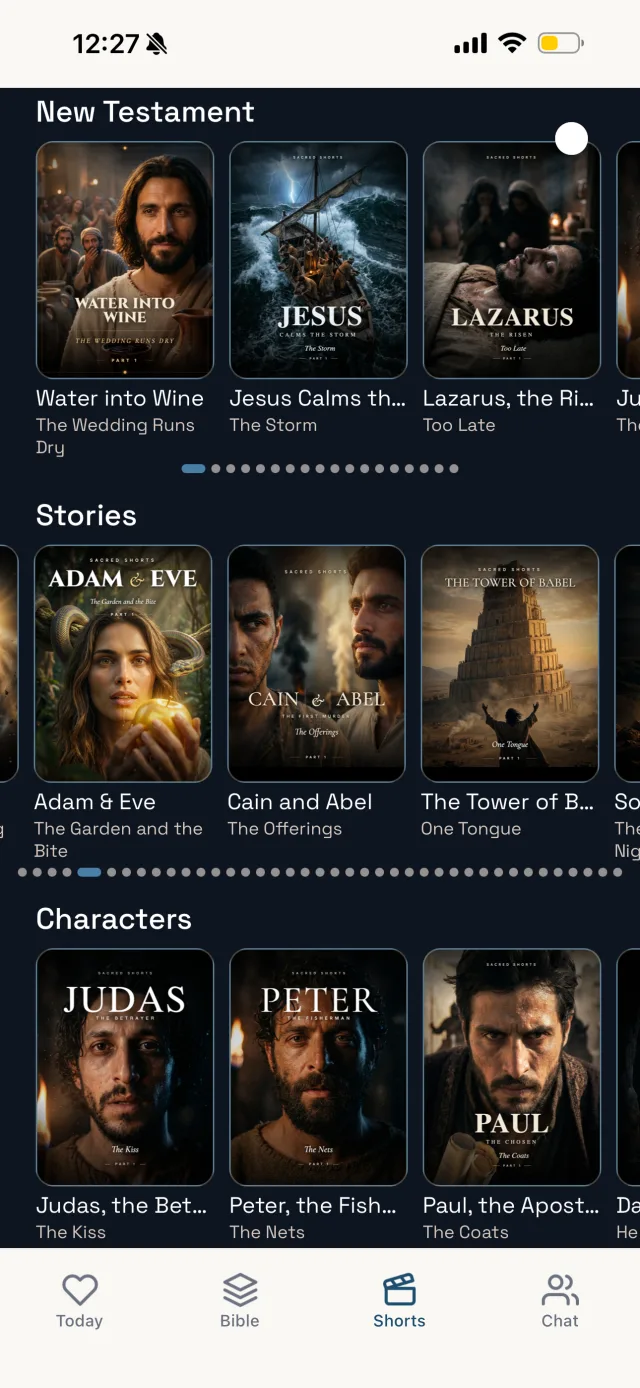
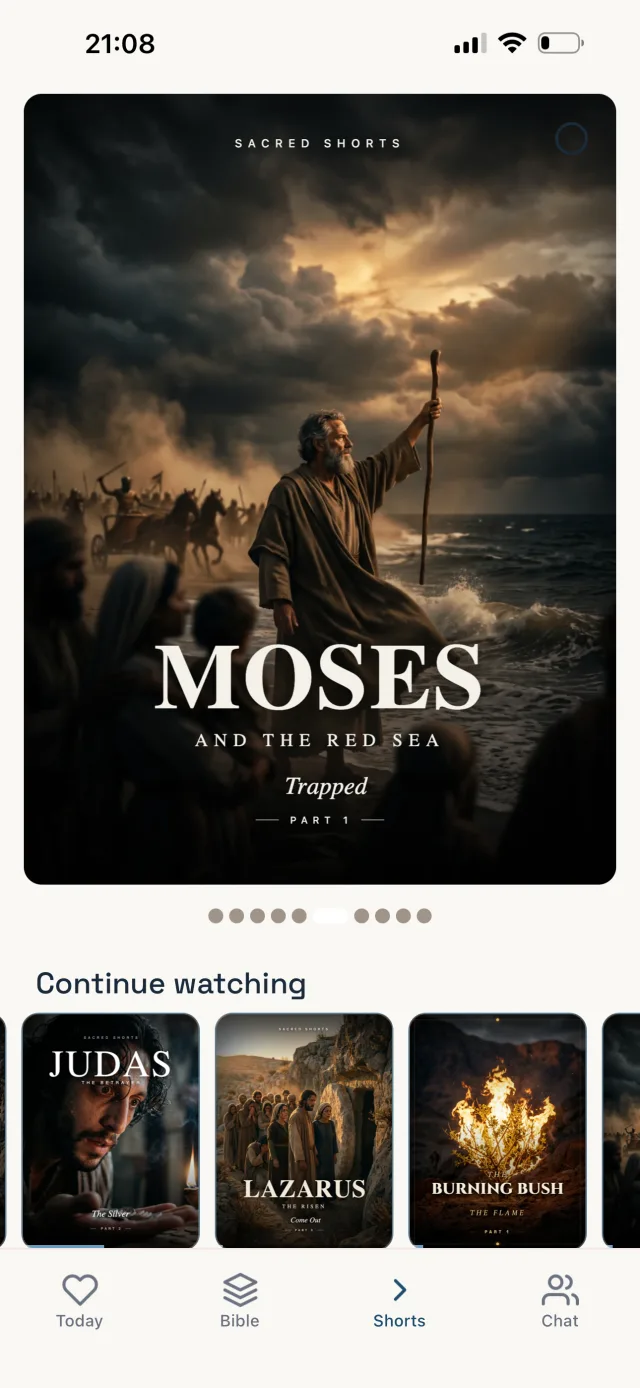
Watch this story come to life as a cinematic series in Sacred.
4.8on the App Store
Video helps us imagine, but Scripture remains first
Every adaptation makes choices. It chooses faces, clothing, pacing, music, camera angles, and the order of emphasis. Some choices may be wise and reverent; others may be speculative. That is why viewers should always return to the text. The Bible gives the inspired witness. Video can support attention, but it cannot carry final authority.
This matters especially with miracles because people often bring deep longing to these passages. Some are praying for healing. Some are grieving. Some wonder why God acts dramatically in one story while their own life feels quiet or unresolved. A video should never flatten those questions with easy promises. Scripture invites faith, prayer, humility, and endurance, but it does not give us control over God.
When you watch a miracle scene, ask what the passage actually says. Who comes to Jesus? What does Jesus say? How do the witnesses respond? Does the miracle reveal compassion, authority, fulfillment, conflict, or a sign pointing to belief? These questions keep the imagination tethered to the Word.
A simple rhythm: watch → read → reflect → pray
Start by watching the scene with attention. Notice what becomes vivid. Is it the need of the person who comes to Jesus? The fear of the disciples? The size of the crowd? The tenderness of Jesus’ response? Let the video help you slow down.
Then read the passage in the Gospel. If the same miracle appears in more than one Gospel, compare the accounts carefully. Matthew, Mark, Luke, and John sometimes emphasize different details, and those differences can deepen your understanding rather than weaken it. Read before drawing conclusions from the video.
Reflect on what the miracle reveals about Jesus. Do you see his compassion for the suffering, his authority over creation, his patience with weak faith, or his power to restore what seems lost? Also reflect honestly on your own response. Are you seeking Jesus only for what he can give, or are you learning to trust who he is?
Finally, pray. You might pray: “Lord Jesus, help me see you clearly in this passage. Let wonder lead me back to your Word. Teach me to trust your compassion and your authority without trying to control you.” Prayer turns a powerful scene into a faithful response.
Where Sacred fits naturally
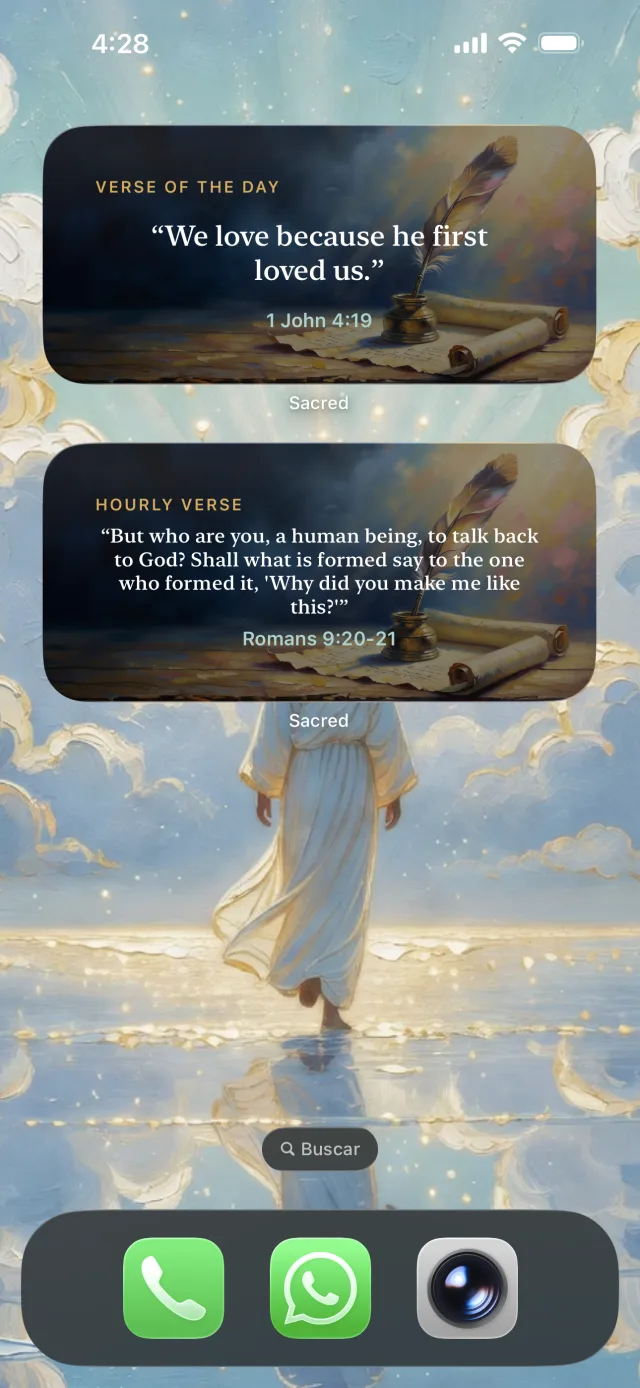
Sacred is built for this Scripture-first rhythm. Sacred Shorts can help a Gospel scene feel close enough to notice again. The Study Bible can take you back to the chapter. AI Bible Chat can help you ask context questions about parallel Gospel accounts, key words, and historical setting. Guided Prayer can help you respond with reverence instead of rushing to the next video.
Reading Scripture is always free in Sacred. That matters because the miracle stories belong first to the Bible, not to any app or cinematic adaptation. The video is a doorway. The Word is the place we return.
FAQ
What are some of Jesus’ most well-known miracles?
Well-known miracles include healing the blind, calming the storm, feeding the five thousand, walking on water, raising Lazarus, cleansing lepers, and casting out demons. Each should be read in its Gospel context.
How should I watch a video about Jesus’ miracles?
Watch with reverence, then open the Gospel passage. Ask what the text says about Jesus, what the video emphasized, and what you need to bring to God in prayer.
Do miracle videos promise that the same miracle will happen to me?
No. A faithful video should not make personal guarantees. The Gospel miracles reveal Jesus’ compassion and authority, and they invite prayer and trust, but they do not give us control over God’s timing or will.
 Sacred Shorts
Watch the Bible like never before
Cinematic Bible stories, a complete Study Bible, daily devotionals, and guided prayer. New episodes every week.
Frequently asked questions
Jesus’ miracles appear throughout the four Gospels, including healings, feedings, deliverance, authority over nature, and signs that reveal who he is.
They often happen in vivid scenes with real people, urgent need, public surprise, and a clear invitation to notice Jesus’ compassion and authority.
No. A video can help you imagine the scene, but Scripture remains the source for understanding Jesus’ works, words, and mission.