
The book of Acts begins with people waiting. Jesus has risen, taught his disciples, and promised the Holy Spirit. Then he ascends, and the believers return to Jerusalem. They are not powerful by ordinary standards. They do not have political protection, wealth, or a polished public platform. They have a promise, a commission, a gathered community, and a need to pray.
That makes the early church one of the most compelling stories to watch on screen. A Bible video can help us imagine the upper room, the sound of many languages at Pentecost, the boldness of Peter before a crowd, the healing at the temple gate, the pressure of religious authorities, the generosity of believers sharing what they have, and the movement of the gospel from Jerusalem toward the nations. Yet video is not the authority. It is a doorway back to Scripture. The healthiest rhythm is watch → read → reflect → pray. Watch to awaken attention. Read Acts closely. Reflect on courage, mission, unity, suffering, and the work of the Spirit. Pray for faithfulness in your own place and time.
The biblical context of Acts
Acts is the second volume written by Luke. The Gospel of Luke tells what Jesus began to do and teach; Acts shows how the risen Christ continues his work through the Spirit-empowered witness of his people. The story moves outward: Jerusalem, Judea and Samaria, and the ends of the earth. That movement follows Jesus' words in Acts 1:8 and gives the whole book its missionary shape.
The early chapters are especially vivid. In Acts 2, the Spirit comes at Pentecost, the disciples proclaim the mighty works of God in many languages, and Peter announces Jesus as crucified and risen Lord. In Acts 3, Peter and John meet a man who cannot walk at the temple gate and speak healing in the name of Jesus Christ of Nazareth. In Acts 4, they are questioned and threatened, but the church prays for boldness rather than comfort. In Acts 6 and 7, Stephen bears witness and suffers death, and persecution scatters believers who continue to speak the word.
Acts is not a sentimental portrait of an easy community. The church prays, shares, breaks bread, teaches, and worships, but it also faces hypocrisy, disagreement, persecution, ethnic tensions, questions of inclusion, and difficult decisions. A faithful video should not flatten that complexity. The early church is courageous because it depends on Christ in real pressure, not because every moment is simple.
Why the early church is powerful on screen
The early church is cinematic because Acts is full of movement. People gather in rooms, walk through temple courts, stand before councils, travel roads, cross seas, open homes, and speak in marketplaces. A visual retelling can make the scale feel human. The apostles are not abstract names. They are men called to speak with courage. The widows in Acts 6 are not a policy issue only; they are people whose needs matter. The believers who open their homes make mission visible through hospitality.
Video can also help modern readers feel the pressure of public witness. Peter and John do not speak in a private religious bubble. They speak in the city where Jesus was crucified, before leaders who can threaten them. Stephen's speech is not a calm lecture in a safe classroom. It is testimony under accusation. The church's prayer in Acts 4 is not decorative language. It is dependence in the face of real danger.
At the same time, the visual power of Acts should be handled with reverence. Persecution should not be turned into entertainment. Miracles should not become spectacle disconnected from the name of Jesus. Mission should not be presented as triumphalism. Acts centers on the risen Christ, the Holy Spirit, the word of God, and witness. A video serves the text when it makes viewers hungry to read, not when it pretends to replace reading.

The Bible has never felt like this
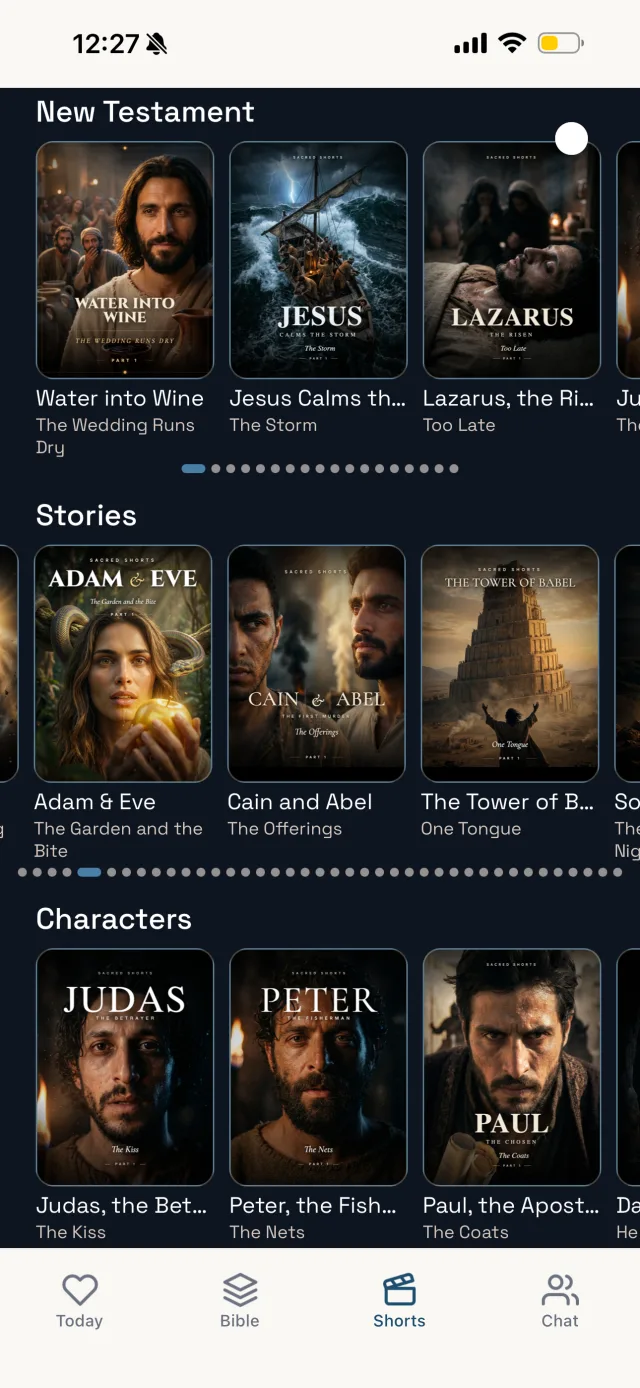
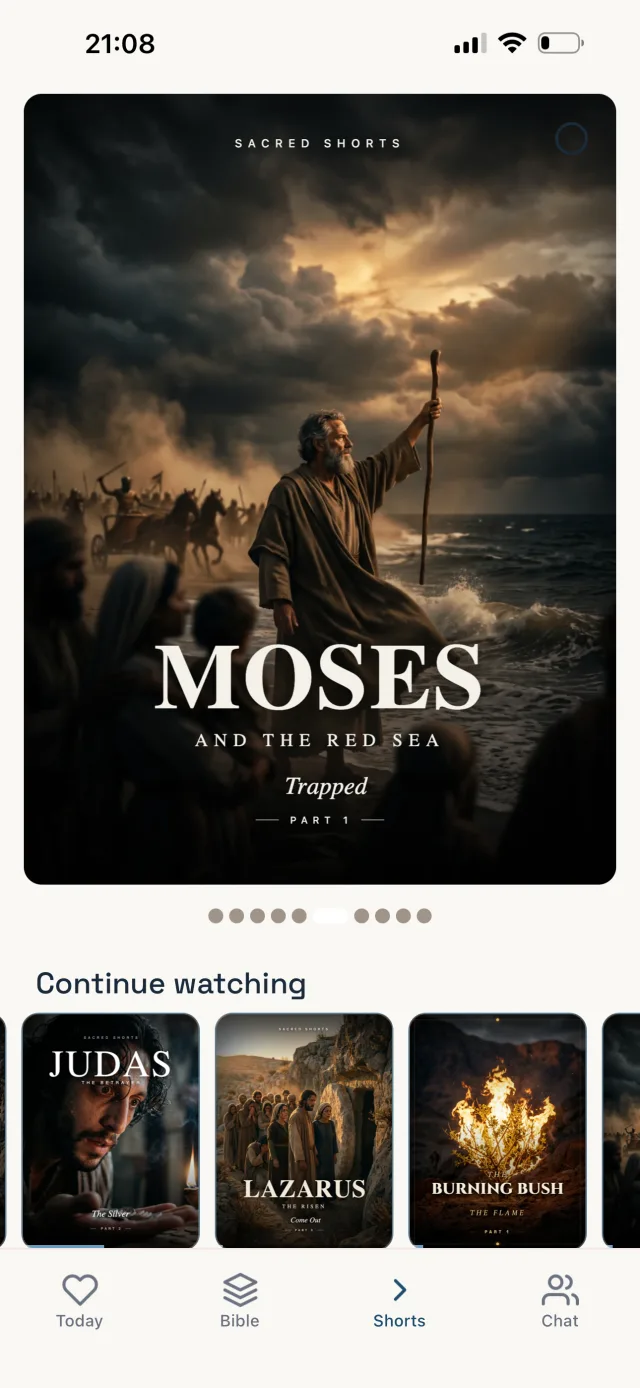
Watch this story come to life as a cinematic series in Sacred.
4.8on the App Store
Video helps us imagine, but Scripture remains first
A cinematic Bible short can restore attention to familiar passages. Many Christians have heard about Pentecost, the first believers, or the apostles' boldness so often that the story can become a summary. Video can slow the pace. It can help us imagine the fear before courage, the silence before prayer, the practical love behind generosity, and the cost behind mission.
But no adaptation can carry the final authority of Scripture. Acts tells us what the church is and how the gospel spreads. It shows the Spirit empowering witness, but it also shows the church returning again and again to the apostles' teaching, prayer, fellowship, and the breaking of bread. A video may imagine faces, settings, sound, and pacing. It must not invent a message that competes with the biblical one.
Christians from different traditions may emphasize different details in Acts. Some focus on the shape of church life, some on sacraments and baptism, some on charismatic gifts, some on mission strategy, some on apostolic teaching and continuity. Those differences deserve humility. The text itself keeps the center clear: Jesus is risen and exalted, the Spirit empowers witness, the gospel crosses barriers, and the church is called to faithfulness.
A Scripture-first rhythm: watch → read → reflect → pray
First, watch with attention. Notice the smallness of the first community and the greatness of the promise. Pay attention to prayer before action, courage after fear, and the way the gospel moves through ordinary people and public witness.
Second, read Acts in context. Begin with Acts 1–4 for the ascension, Pentecost, public preaching, healing, opposition, and prayer. Then continue through Acts 6–8 to see service, Stephen's witness, persecution, and mission beyond Jerusalem. As you read, ask what Luke actually says before drawing conclusions from a scene.
Third, reflect honestly. What kind of courage do you see in Peter and John? What kind of generosity appears in the first believers? How does the church respond when threatened? Where do you see the Spirit forming a community, not only inspiring individual moments?
Finally, pray. You might pray, "Lord Jesus, keep your Word central in my life. Teach me to receive your Spirit's courage, love your people, and bear witness with humility. Let what I watch lead me back to Scripture and into faithful prayer." Prayer turns the story of Acts into response.
Where Sacred fits naturally
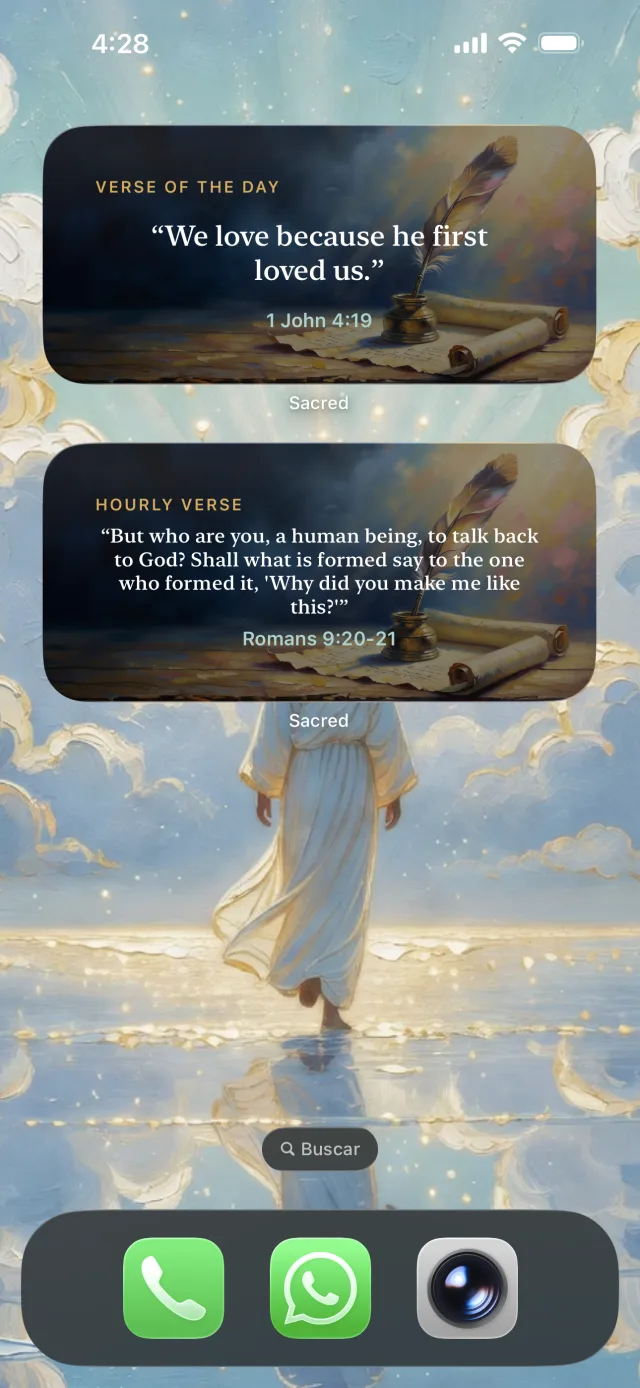
Sacred is built for this Scripture-first rhythm. Sacred Shorts can help you imagine scenes from Acts with reverence. The Study Bible brings you back to the text, chapter by chapter. AI Bible Chat can help you ask careful questions about context, Pentecost, mission, or the early church without replacing Scripture. Guided Prayer can help you respond after reading.
Reading Scripture is always free in Sacred because the Bible remains central. A short film may help you picture a room filled with prayer or a street filled with witness. Scripture gives you the risen Christ's commission, the Spirit's work, and the church's mission.
FAQ
What is the main story of the early church in Acts?
Acts tells how the risen Jesus continues his mission through the Holy Spirit, forming a witnessing community and sending the gospel from Jerusalem toward the nations.
Why should I read Acts after watching a Bible video?
A video can help you imagine the setting, courage, and pressure of the first believers, but Acts gives the meaning, sequence, teaching, and theological center of the story.
How can I use an early church video devotionally?
Watch the scene, read Acts 1–4, reflect on prayer, witness, generosity, and opposition, then pray for courage and humility in your own obedience to Christ.
 Sacred Shorts
Watch the Bible like never before
Cinematic Bible stories, a complete Study Bible, daily devotionals, and guided prayer. New episodes every week.
Frequently asked questions
Start with Acts 1–4, then continue through Acts to see the Spirit's work, the apostles' witness, persecution, mission, and the spread of the gospel.
Acts is full of prayer, public witness, conflict, generosity, journeys, and mission, but a video should always send viewers back to the biblical text.
No. Video can help you imagine the courage and pressure of the early believers, but Scripture remains the source for understanding the church's mission.