
Choosing a Bible translation involves understanding your personal needs, the translation's purpose, and how faithful it is to the original texts, which can be supported by Finding Strength in Scripture: Powerful Bible Verses. The NIV is a reliable, widely accepted translation that balances accuracy and readability, making it a popular choice for many readers.
Why This Matters
Selecting the right Bible translation is crucial for gaining a deeper understanding of Scripture and fostering a more meaningful connection with God. The Bible teaches that "All Scripture is God-breathed and is useful for teaching, rebuking, correcting and training in righteousness" (2 Timothy 3:16, NIV). This verse highlights the importance of Scripture in guiding our lives, which underscores why choosing a translation that you can comprehend and connect with is vital.
Different translations serve different purposes. Some are more literal, striving to maintain the exact wording of the original texts, while others aim for a thought-for-thought approach to enhance readability. The NIV, for example, employs a balance of these methods, making it accessible for both new readers and seasoned scholars. By choosing the right translation, you ensure that your study of the Bible is both enlightening and spiritually enriching, allowing you to apply its teachings to your daily life, as discussed in Bible Verses About Trusting God's Plan.
Step-by-Step Guide
-
Assess Your Purpose
- Instruction: Determine why you want to read the Bible. Is it for personal growth, academic study, or teaching?
- Supporting Verse: "Your word is a lamp for my feet, a light on my path" (Psalm 119:105, NIV).
- Practical Tip: Write down your goals for reading the Bible to help guide your translation choice.
-
Consider Readability
- Instruction: Choose a translation that matches your reading level and style.
- Supporting Verse: "The unfolding of your words gives light; it gives understanding to the simple" (Psalm 119:130, NIV).
- Practical Tip: Read sample passages from different translations online to see which ones resonate with you.
-
Research Translation Philosophy
- Instruction: Understand whether the translation is more word-for-word or thought-for-thought.
- Supporting Verse: "For the word of God is alive and active. Sharper than any double-edged sword" (Hebrews 4:12, NIV).
- Practical Tip: Look for a translation’s introduction or preface, which usually explains its translation approach.
-
Seek Recommendations
- Instruction: Ask pastors, mentors, or friends for their insights on different translations.
- Supporting Verse: "Plans fail for lack of counsel, but with many advisers they succeed" (Proverbs 15:22, NIV).
- Practical Tip: Join a Bible study group to see what translations others use and why.
-
Test with Familiar Passages
- Instruction: Compare familiar Bible stories or verses across translations to judge clarity and impact.
- Supporting Verse: "But test them all; hold on to what is good" (1 Thessalonians 5:21, NIV).
- Practical Tip: Use online parallel Bibles to easily compare translations side by side.
Common Mistakes
-
Choosing Based on Popularity Alone
- Solution: While popularity can indicate reliability, it’s essential to choose a translation that fits your personal needs and understanding.
-
Ignoring Translation Philosophy
- Solution: Don’t skip researching whether the translation is literal or dynamic. This affects how passages are interpreted.
-
Overlooking Personal Needs
- Solution: Consider your spiritual and learning goals. A translation that suits your specific purpose will enhance your study experience.
-
Failing to Test Readability
- Solution: Always read a few chapters in different translations. What works for someone else might not work for you.
A Simple Plan to Start Today
To begin your journey in selecting the right Bible translation, take five minutes to read a few verses from a familiar passage in the NIV using the Sacred app. This will give you a feel for the translation’s readability and impact, helping you make an informed decision.
FAQ
-
Why are there so many Bible translations?
- Different translations cater to varying levels of readability and scholarly needs, offering diverse ways to engage with Scripture.
-
Is one translation better than all the others?
- No single translation is superior for everyone. It depends on individual preferences and needs.
-
How can I know if a translation is accurate?
- Research the translation's philosophy and consult reviews or scholarly opinions to assess its faithfulness to original texts.
-
Can I use more than one translation?
- Absolutely! Comparing translations can provide deeper insights and a fuller understanding of Scripture.
-
What is the best translation for beginners?
- The NIV is often recommended for its balance of accuracy and readability, making it accessible for newcomers to the Bible.
Choosing a Bible translation is a personal journey that can deepen your understanding of God’s word. By investing time upfront to find the right fit, you pave the way for a more enriching spiritual life. Consider using the Sacred app to explore different translations and engage with daily verses to enhance your faith journey. Additionally, take the time to reflect on your choices and how they align with your spiritual goals, ensuring that your study of the Bible is both fulfilling and transformative.
As you embark on this journey, remember that the right translation can open doors to deeper insights and a more profound relationship with Scripture. Embrace the process, and let the Word of God guide you.
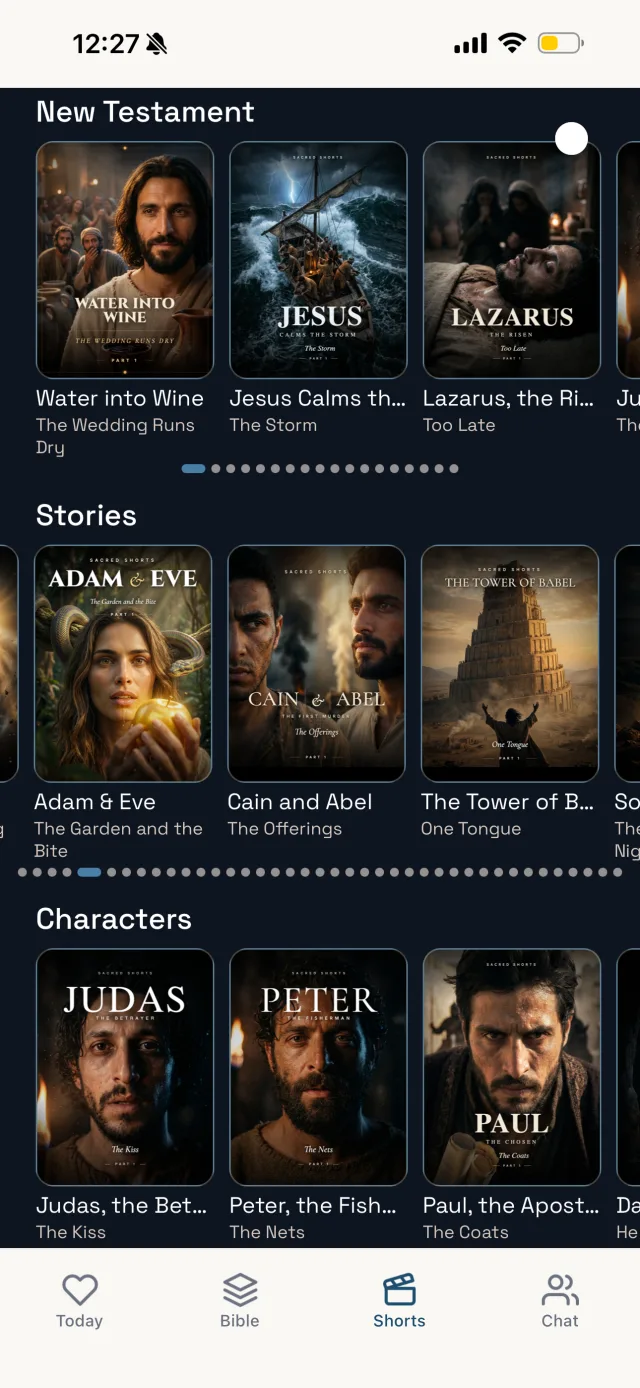
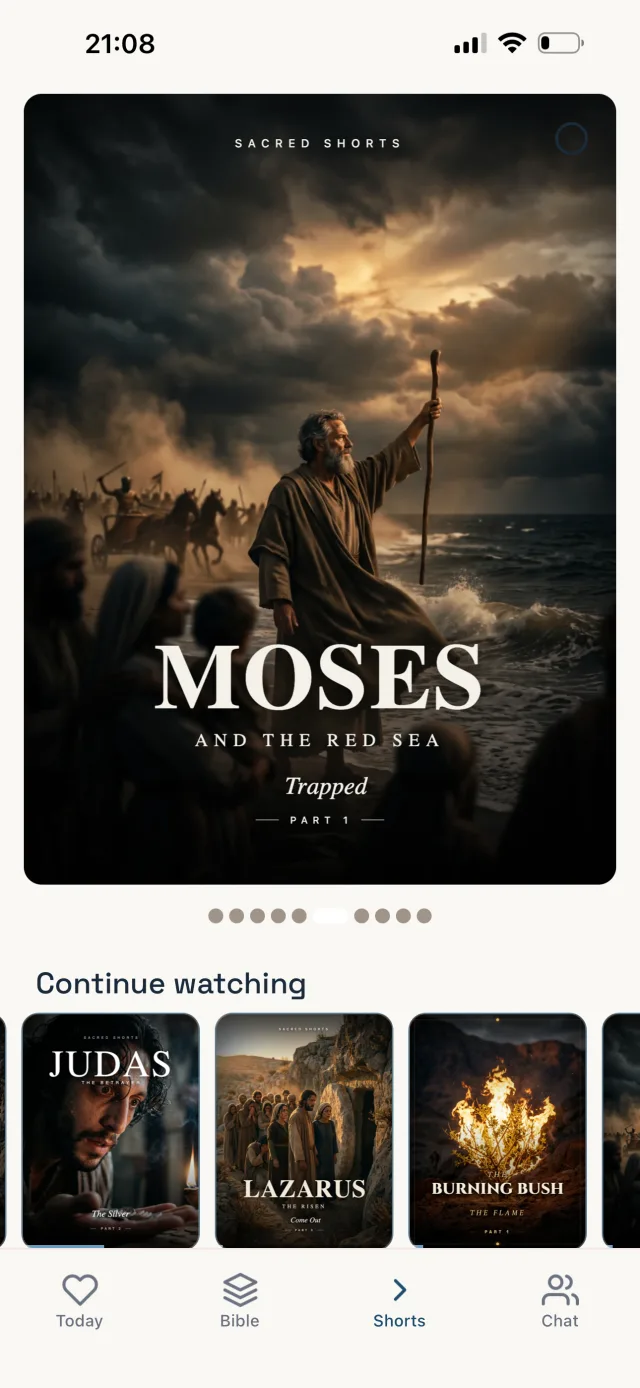
 Sacred Shorts
Watch the Bible like never before
Cinematic Bible stories, a complete Study Bible, daily devotionals, and guided prayer. New episodes every week.

Frequently asked questions
Different translations cater to varying levels of readability and scholarly needs, offering diverse ways to engage with Scripture. Some prioritize word-for-word accuracy while others focus on thought-for-thought clarity.
No single translation is superior for everyone. The best translation depends on your individual purpose, reading level, and spiritual goals.
The NIV is often recommended for beginners because it balances accuracy with readability, making Scripture accessible without oversimplifying the original meaning.