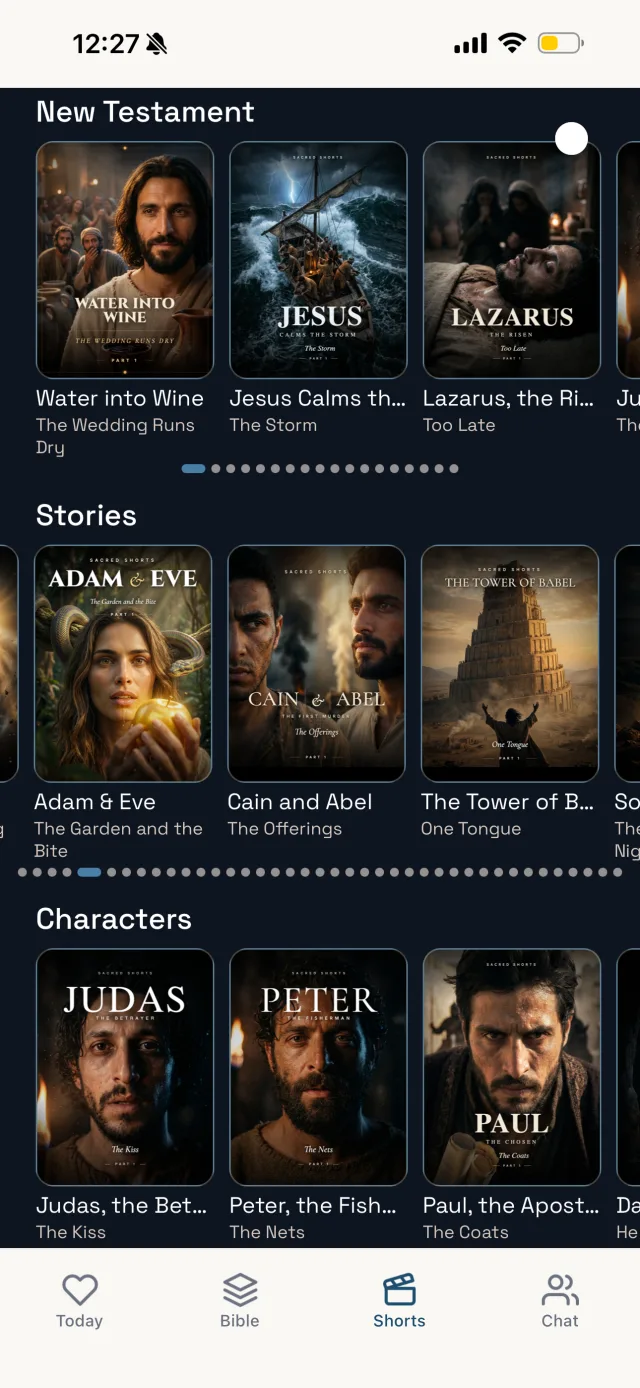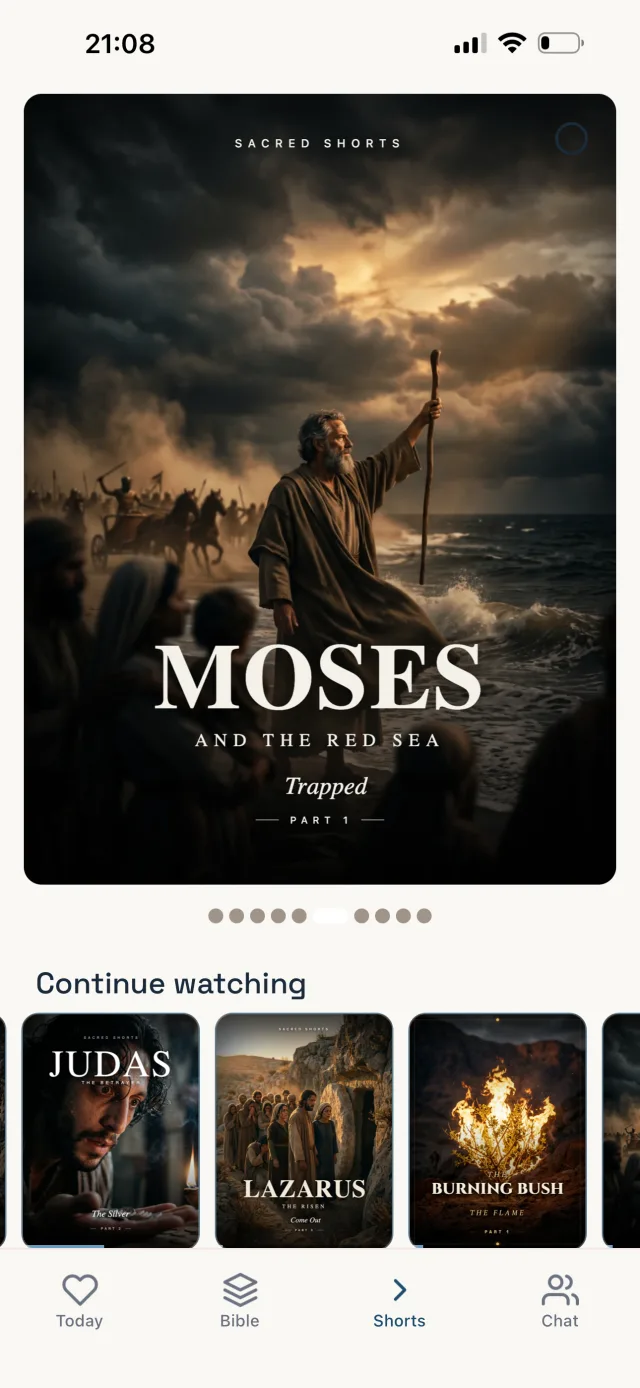
Jesus’ parables are short stories with deep spiritual weight. A farmer scatters seed. A traveler is left wounded on the road. A younger son walks away from home. A woman searches for a lost coin. A shepherd leaves the ninety-nine to find the one. These scenes are simple enough to remember, but they do not stay on the surface. They reveal the kingdom of God, expose the heart, and invite hearers to repentance, mercy, faith, and joy.
That is why the parables work so naturally in video. They already move through images: fields, roads, houses, banquets, debts, lamps, vineyards, and doors. A cinematic Bible short can help a modern viewer slow down and notice the shape of the story. It can make the dust of the road, the silence of a room, or the tension between characters feel closer.
But video must remain a servant of Scripture, not a substitute for it. Video helps us imagine and enter the biblical story, but it does not replace Scripture. Every adaptation makes choices: how a character looks, where a pause falls, what music suggests, or how quickly a scene resolves. Those choices may help attention, but the authority and meaning remain in the biblical text. The wisest rhythm is simple: watch → read → reflect → pray.
Why Jesus taught with parables
The parables are not just moral illustrations. Jesus uses them to reveal and conceal, to invite humble listeners deeper while confronting pride and hardness of heart. In the Gospels, His stories often arise in specific situations: a question from a lawyer, a complaint from religious leaders, a crowd gathering, or a moment when disciples need to understand the kingdom more clearly.
For example, the Good Samaritan in Luke 10 responds to the question, “Who is my neighbor?” The Prodigal Son in Luke 15 comes after Pharisees and scribes grumble that Jesus receives sinners. The Sower appears in the Synoptic Gospels as Jesus explains different responses to the word. The parables are therefore not floating inspirational tales. They belong to the ministry of Jesus and to the Gospel’s larger witness about God’s reign.
When a video presents a parable, it can help you feel that setting. You might see a roadside, an anxious father, a crowded table, or a field under harsh sun. Yet the first interpretive question should still be: why does Jesus tell this story here? Read before and after the parable. Notice who is listening. Notice who is being challenged. Notice what Jesus emphasizes.
How video can help without taking over
A good parable video can restore attention to details that familiar readers may pass over. The Good Samaritan becomes more than a phrase when you picture a dangerous road and the surprise of mercy from an unexpected person. The Prodigal Son becomes more than a lesson about forgiveness when you see hunger, shame, waiting, running, and the older brother standing outside the celebration. The Lost Sheep feels different when the shepherd’s search is not abstract but urgent.
This imaginative entry can be a gift. Many people hear biblical language so often that they stop listening. Video can interrupt that routine and make the story feel fresh again. It can also help families, new believers, visual learners, and tired readers begin with attention rather than intimidation.
Still, the goal is not to ask, “Did the video move me?” and stop there. The better question is, “What did the video help me notice in the text?” If a scene adds a facial expression, a line of background, or a dramatic moment not stated in Scripture, receive it as interpretation, not fact. Then return to the passage. Let the Word correct, deepen, and sometimes challenge what the visual scene made you feel.

The Bible has never felt like this
Watch this story come to life as a cinematic series in Sacred.
4.8on the App Store
The watch → read → reflect → pray rhythm
Start by watching one parable scene with a prayerful posture. Do not rush into three more clips. Choose one story and give it room. If you watch the Sower, prepare to read Matthew 13, Mark 4, or Luke 8. If you watch the Good Samaritan, read Luke 10:25-37. If you watch the Prodigal Son, read Luke 15 and notice the two other lost-and-found stories around it.
Then read the passage slowly. If possible, read it twice. The first time, follow the story. The second time, mark the turning point. Who changes? Who resists? What question does Jesus answer? What does the ending leave unresolved? Parables often work by surprising the listener. Do not flatten the surprise too quickly.
Next, reflect honestly. Ask what the story reveals about God, about people, and about you. Am I acting like the younger son, the older brother, the wounded traveler, the priest who passes by, the debtor who refuses mercy, or the servant who receives trust? Some Christian traditions may frame the application with different emphases—discipleship, grace, repentance, mercy, holiness, or the life of the Church—but all faithful reflection should stay close to Jesus’ words.
Finally, pray. Turn the story into response. “Lord, make me a neighbor.” “Father, teach me to come home.” “Jesus, give me ears to receive Your word.” Prayer keeps the parable from becoming mere content. It becomes a place of listening before God.
Parables that are especially powerful on video
Some parables are especially vivid for cinematic Bible shorts. The Good Samaritan carries movement, danger, contrast, and mercy. The Prodigal Son carries emotional depth: rebellion, emptiness, welcome, resentment, and joy. The Sower uses repeated images that help viewers examine the soil of the heart. The Lost Sheep and Lost Coin show searching love in simple scenes. The Wise and Foolish Builders place obedience and instability in a visual frame. The Ten Virgins and the Wedding Banquet require careful handling because traditions may explain their details differently, but they remind readers to stay watchful and ready.
For each parable, the same guardrail matters: do not make the visual version louder than the text. A beautiful scene should send you back to the Gospel, not away from it. If the video makes you curious, open the passage. If it makes you emotional, pray through the passage. If it raises questions, study the context.
A gentle way to continue with Sacred
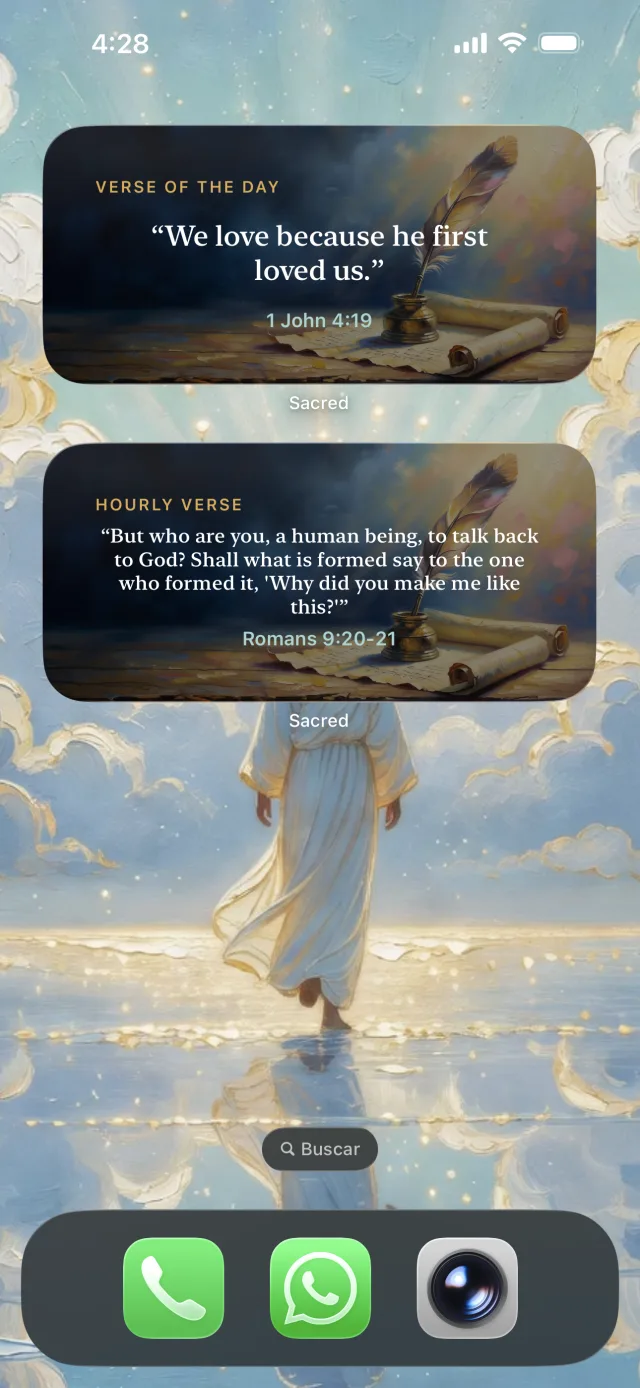
Sacred is built for this kind of Scripture-first rhythm. Sacred Shorts can help you enter a parable with fresh attention. The Study Bible keeps the Gospel text close. Guided prayer helps you respond after the story. AI Bible Chat can support careful questions about context and meaning while remembering that Scripture remains the foundation.
The parables still speak today because Jesus still speaks through the Scriptures. Watch the story. Read the words. Reflect with humility. Pray with an open heart.
FAQ
What is the best parable of Jesus to watch first?
Start with a parable that is easy to locate in Scripture, such as the Good Samaritan in Luke 10, the Prodigal Son in Luke 15, or the Sower in Matthew 13, Mark 4, or Luke 8. Watch one scene, then read the whole passage around it.
Can videos replace reading Jesus’ parables in the Bible?
No. Videos can help you imagine the setting and emotional movement of a parable, but they are interpretations. The biblical text remains the foundation for understanding Jesus’ teaching.
How should I pray after watching a parable video?
Use the story’s main invitation as a prayer. Ask God for mercy, repentance, patience, courage, or obedience according to the passage. Keep the rhythm simple: watch, read, reflect, and pray.
 Sacred Shorts
Watch the Bible like never before
Cinematic Bible stories, a complete Study Bible, daily devotionals, and guided prayer. New episodes every week.