
The Bible speaks clearly against witchcraft, portraying it as a practice that leads believers away from God. It is consistently associated with rebellion, idolatry, and false worship, suggesting that followers of Christ should avoid such practices to remain true to their faith.
What does the Bible teach about witchcraft?
Throughout the Bible, witchcraft is depicted as a dangerous practice that goes against the will of God. In the Old Testament, witchcraft is often linked with idolatry and rebellion. For instance, in 1 Samuel 15:23, rebellion is compared to the sin of divination. The New Testament continues this stance, with Galatians 5:19-21 listing witchcraft among the acts of the sinful nature, which prevent individuals from inheriting the kingdom of God.
The Bible teaches that engaging in witchcraft distracts individuals from the truth of God and His teachings. It presents a false sense of power and control that leads believers away from their reliance on God. Instead, the Bible encourages Christians to seek wisdom and guidance from the Holy Spirit and Scripture, maintaining faith in God's sovereignty and plan for their lives.
Key verses about witchcraft
Exodus 22:18 (NIV): "Do not allow a sorceress to live."
- Who wrote it: Traditionally attributed to Moses.
- Historical context: This command was part of the laws given to the Israelites after their exodus from Egypt, emphasizing the need for purity and strict adherence to God's laws.
- Practical application: This verse underscores the seriousness with which God views witchcraft, urging believers to avoid any form of occult practices.
Leviticus 19:31 (NIV): "Do not turn to mediums or seek out spiritists, for you will be defiled by them. I am the Lord your God."
- Who wrote it: Traditionally attributed to Moses.
- Historical context: As part of the holiness code, this verse instructed the Israelites on maintaining spiritual purity.
- Practical application: Christians today can apply this teaching by avoiding practices or individuals that claim to communicate with spirits or the dead.
Deuteronomy 18:10-12 (NIV): "Let no one be found among you... who practices divination or sorcery, interprets omens, engages in witchcraft..."
- Who wrote it: Traditionally attributed to Moses.
- Historical context: This warning was part of the guidance given to the Israelites as they prepared to enter the Promised Land, ensuring they would not adopt the detestable practices of surrounding nations.
- Practical application: This passage serves as a reminder to seek God’s wisdom and avoid practices that promise power or insight outside of His provision.
1 Samuel 15:23 (NIV): "For rebellion is like the sin of divination, and arrogance like the evil of idolatry."
- Who wrote it: Authored by the prophet Samuel.
- Historical context: Samuel spoke these words to King Saul, highlighting his disobedience to God’s commands.
- Practical application: This verse equates rebellion against God with witchcraft, encouraging believers to remain obedient to God’s word.
Galatians 5:19-21 (NIV): "The acts of the flesh are obvious: sexual immorality, impurity and debauchery; idolatry and witchcraft..."
- Who wrote it: The Apostle Paul.
- Historical context: Paul wrote to the churches in Galatia to clarify what living by the Spirit looks like, contrasting it with acts of the sinful nature.
- Practical application: This passage calls Christians to live by the Spirit and reject practices like witchcraft that are contrary to God’s kingdom.
Acts 19:19 (NIV): "A number who had practiced sorcery brought their scrolls together and burned them publicly."
- Who wrote it: Authored by Luke.
- Historical context: This event occurred in Ephesus, reflecting the power of the gospel to transform lives.
- Practical application: This verse illustrates the commitment to renouncing past practices and wholly turning to Christ.

The Bible has never felt like this
Watch this story come to life as a cinematic series in Sacred.
4.8on the App Store
How to apply these teachings today
In today's world, witchcraft can manifest in various forms, from seemingly benign practices like astrology to more overt expressions of sorcery. The Bible's teachings remind us to be vigilant and discerning, understanding that such practices can lead us away from a genuine relationship with God. For modern Christians, this might mean critically evaluating cultural trends and personal practices to ensure they align with biblical teachings.
Engaging with tools like the Sacred app can help nurture your faith journey by offering daily personalized scripture and guided prayer, keeping your focus on God’s word. Remaining grounded in the Bible and seeking spiritual growth through community and scripture are effective ways to apply these teachings in our lives today.
Is witchcraft considered a sin in the Bible?
Yes, witchcraft is consistently portrayed as a sin in the Bible. It is often associated with idolatry and rebellion against God, and believers are encouraged to avoid such practices (Galatians 5:19-21).
Why does the Bible forbid witchcraft?
The Bible forbids witchcraft because it leads believers away from God and into practices that are contrary to His teachings. It promotes reliance on false sources of power and diverts attention from God's sovereignty.
How should Christians respond to witchcraft?
Christians are encouraged to avoid witchcraft and instead seek guidance and wisdom through prayer, scripture, and the Holy Spirit. Engaging with resources like the Sacred app can aid in staying focused on biblical teachings and spiritual growth.
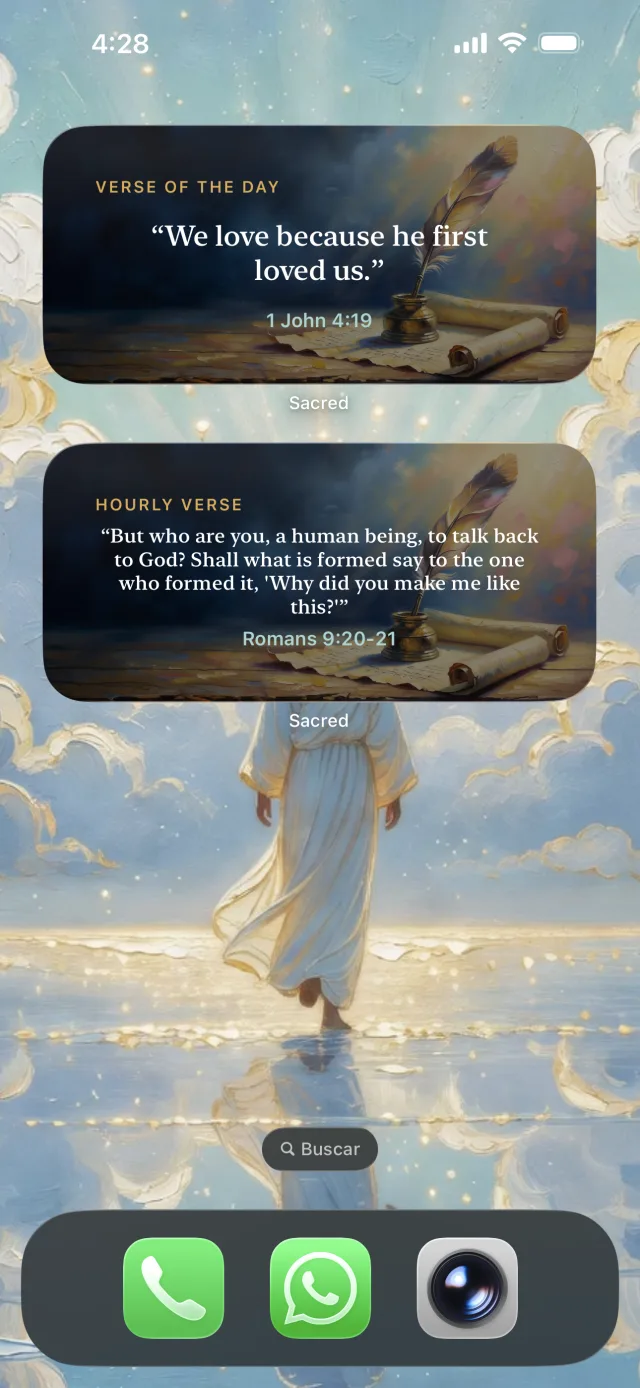
Looking for a daily companion on your faith journey? Sacred offers a personalized daily verse, guided prayer, and biblical AI chat to help you grow closer to God — in just 6 minutes a day.
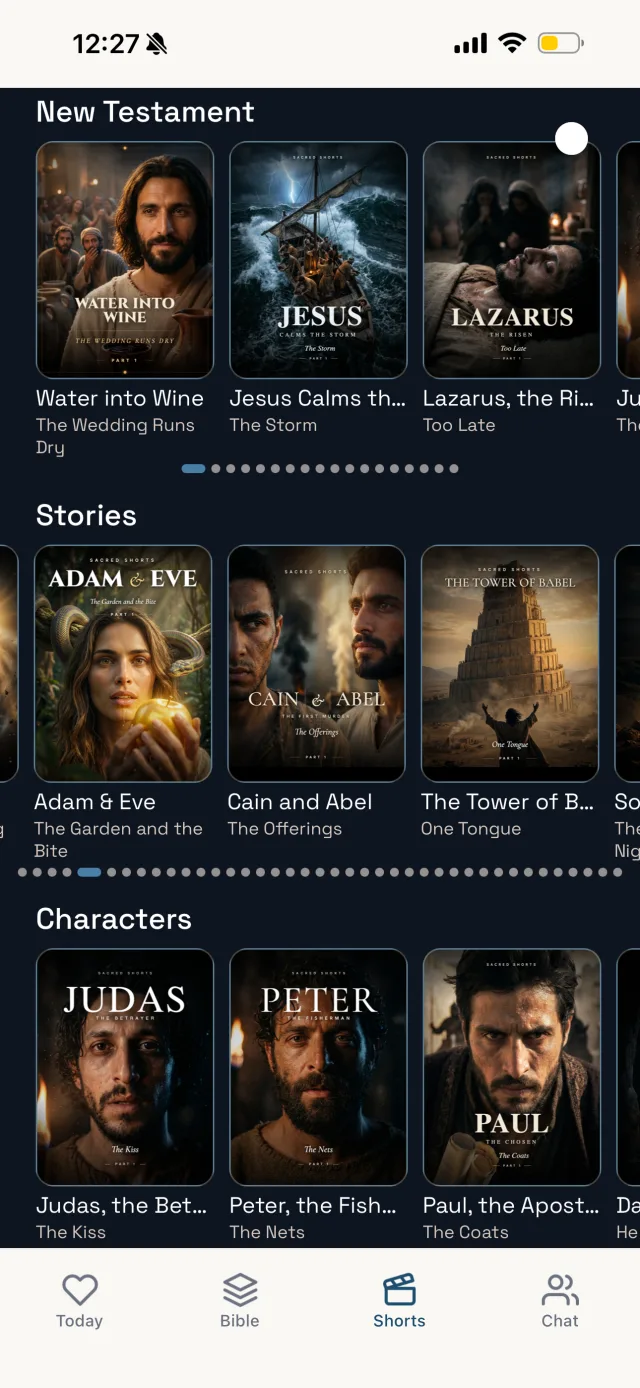
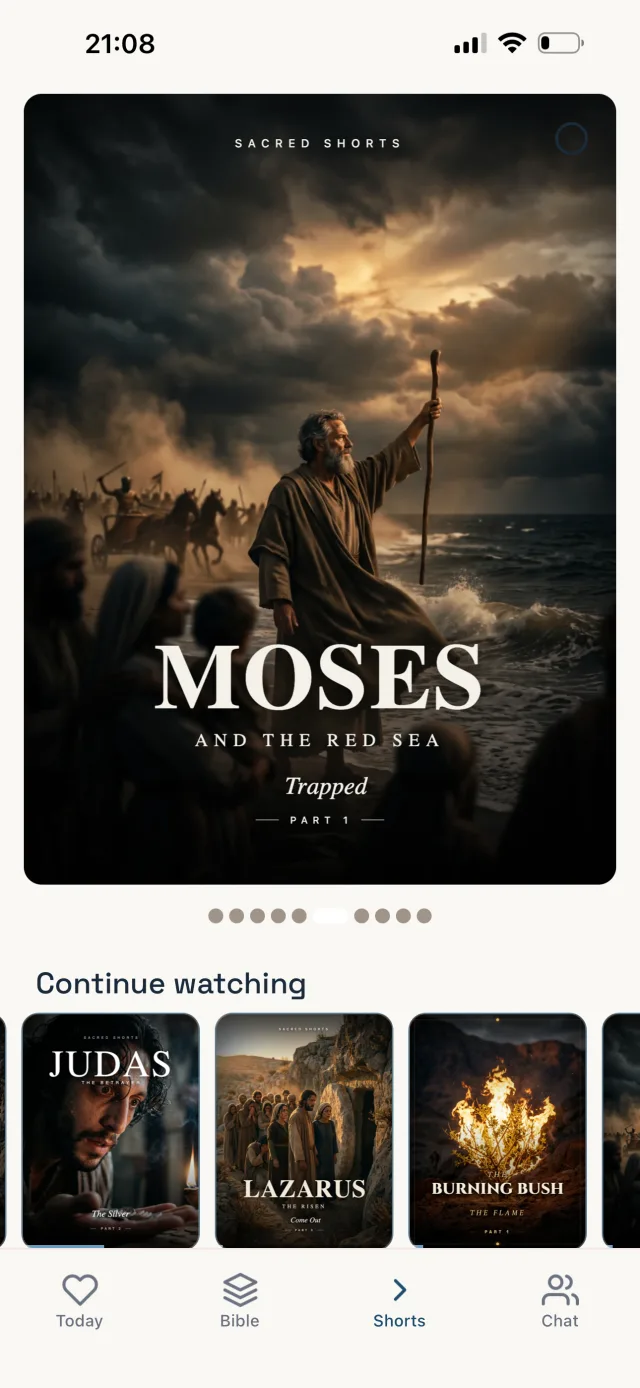
 Sacred Shorts
Watch the Bible like never before
Cinematic Bible stories, a complete Study Bible, daily devotionals, and guided prayer. New episodes every week.
Frequently asked questions
Yes, witchcraft is consistently portrayed as a sin in the Bible. It is often associated with idolatry and rebellion against God, and believers are encouraged to avoid such practices ([Galatians 5:19-21](https://www.biblegateway.com/passage/?search=Galatians+5%3A19-21&version=NIV)).
The Bible forbids witchcraft because it leads believers away from God and into practices that are contrary to His teachings. It promotes reliance on false sources of power and diverts attention from God's sovereignty.
Christians are encouraged to avoid witchcraft and instead seek guidance and wisdom through [prayer](/blog/how-to-pray-for-healing), scripture, and the Holy Spirit. Engaging with resources like the Sacred app can aid in staying focused on biblical teachings and spiritual growth.