
Fasting is a spiritual discipline highlighted throughout the Bible, often associated with prayer and seeking God's guidance. The Bible teaches that fasting is a way to humble oneself before God, seek clarity, and align with His will. It is portrayed as a personal, spiritual practice that enhances one's relationship with God.
What does the Bible teach about fasting?
The Bible presents fasting as a powerful spiritual practice used by many biblical figures to draw closer to God. Fasting is often linked with prayer, repentance, and seeking divine intervention or guidance. In the Old Testament, fasting is frequently associated with mourning or penance, as seen in examples like the Day of Atonement (Leviticus 16:29-31). In the New Testament, Jesus Himself fasted for forty days and nights in the wilderness, as recorded in Matthew 4:1-2, demonstrating fasting as a preparation for significant spiritual endeavors.
Fasting is not a mere ritual; it is a heartfelt act of devotion. Isaiah 58:6-7 emphasizes that true fasting should lead to acts of justice and compassion. The Bible suggests that fasting can enhance one's spiritual focus, help discern God's will, and bring about personal transformation.
Key verses about fasting
Matthew 6:16-18 (NIV)
"When you fast, do not look somber as the hypocrites do, for they disfigure their faces to show others they are fasting. Truly I tell you, they have received their reward in full. But when you fast, put oil on your head and wash your face, so that it will not be obvious to others that you are fasting, but only to your Father, who is unseen; and your Father, who sees what is done in secret, will reward you."
Many people find that a consistent prayer practice transforms their relationship with Scripture. Sacred provides a simple, guided way to build this habit — combining daily prayer with biblical reflection in just 6 minutes.
- Author: This passage was written by Matthew, one of Jesus' disciples.
- Historical context: Jesus addressed fasting during the Sermon on the Mount, emphasizing sincerity over showmanship.
- Practical application: Fasting should be a private act of devotion, aimed at deepening one's spiritual relationship with God rather than seeking human approval.
Isaiah 58:6-7 (NIV)
"Is not this the kind of fasting I have chosen: to loose the chains of injustice and untie the cords of the yoke, to set the oppressed free and break every yoke? Is it not to share your food with the hungry and to provide the poor wanderer with shelter—when you see the naked, to clothe them, and not to turn away from your own flesh and blood?"
- Author: Isaiah, a major prophet in the Old Testament.
- Historical context: This passage underscores the importance of genuine compassion and social justice as integral to fasting.
- Practical application: True fasting should inspire acts of kindness and justice, reflecting God's love and mercy.
To explore more about how fasting can transform your spiritual journey, consider downloading the Sacred app for daily inspiration and guidance. Additionally, you might find our article on prayer as a daily practice insightful for enhancing your spiritual discipline.
Fasting, when done with the right heart and intentions, can be a powerful tool for spiritual growth and alignment with God's will. It is not just about abstaining from food but about seeking a deeper connection with the divine. For more insights and personalized guidance, the Sacred app offers resources like daily verses and a biblical AI chat to support your spiritual journey.
Looking for a daily moment with God? Sacred offers a guided prayer experience rooted in Scripture — just 6 minutes a day to find peace, clarity, and connection with God.
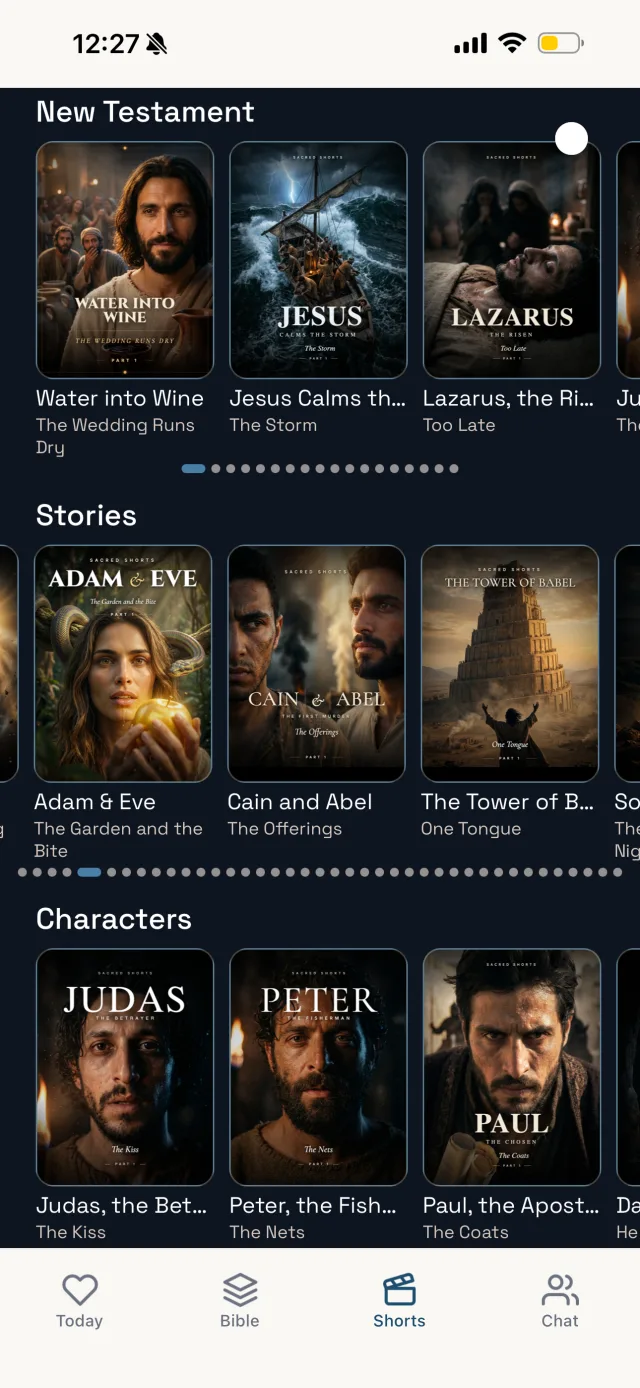
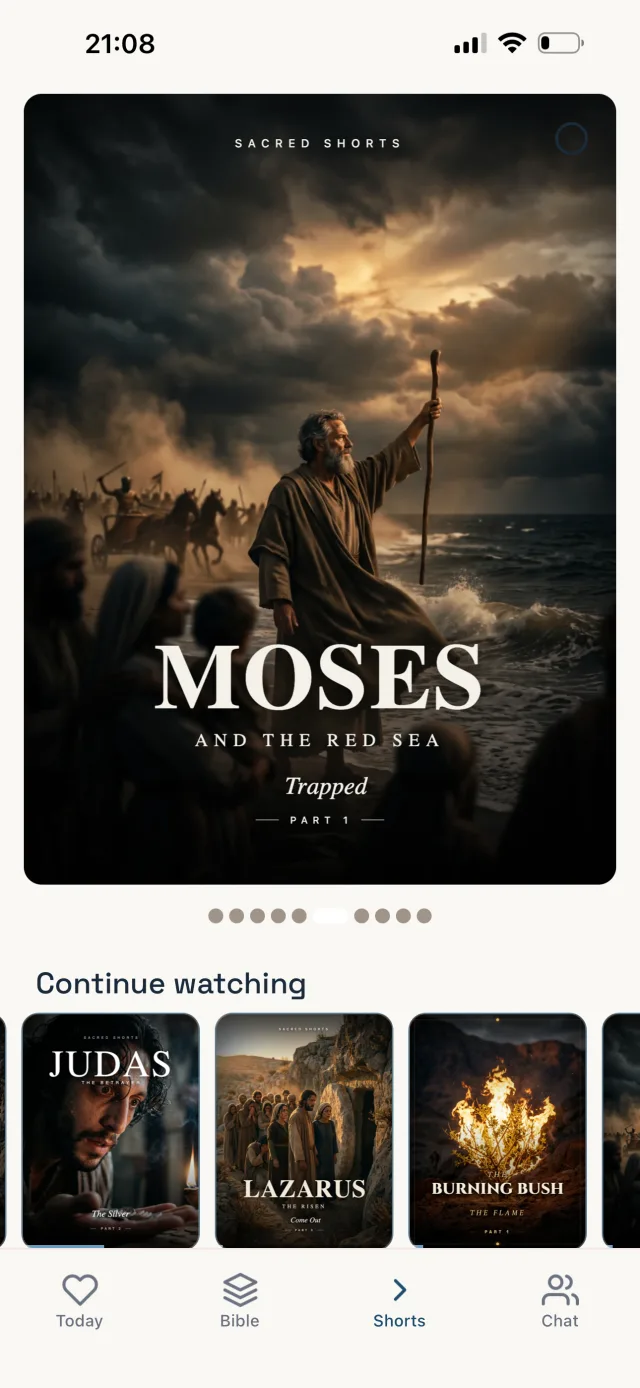
 Sacred Shorts
Watch the Bible like never before
Cinematic Bible stories, a complete Study Bible, daily devotionals, and guided prayer. New episodes every week.
Frequently asked questions
The Bible provides guidance through various passages and teachings.
Through prayer, reflection, and daily practice of biblical principles.
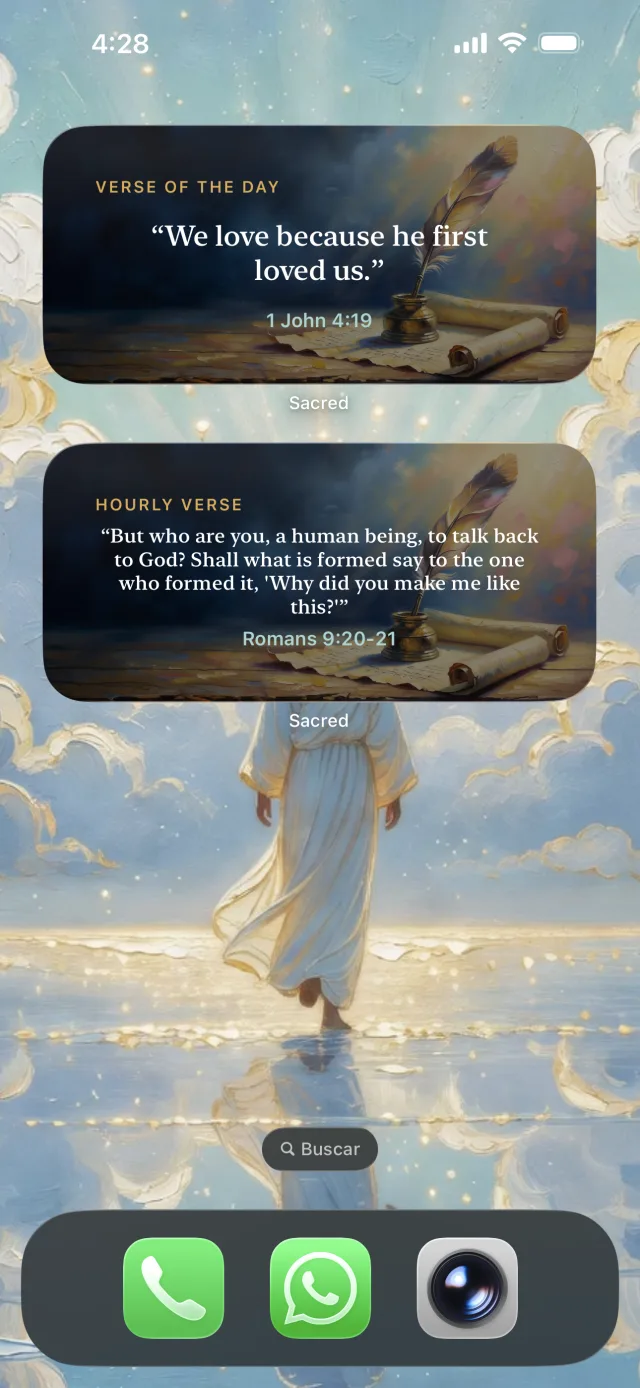
Sacred app offers daily verses, guided prayer, and biblical AI chat to deepen your understanding.