
The Bible addresses alcohol consumption with a balanced perspective, acknowledging both its potential benefits and its risks. It does not outright forbid drinking alcohol but warns against excessive consumption, encouraging moderation and mindfulness.
What does the Bible teach about alcohol?
The Bible presents a nuanced view on alcohol, recognizing it as part of ancient culture and religious practices while cautioning against its misuse. In the Old Testament, wine is often seen as a blessing and a source of joy (Psalm 104:14-15), but excessive drinking is condemned (Proverbs 20:1). The New Testament continues this theme, with Jesus himself turning water into wine at a wedding (John 2:1-11), suggesting a place for alcohol in celebration and community. However, the Apostle Paul advises caution, warning believers not to be drunk on wine, which leads to debauchery, but to be filled with the Spirit (Ephesians 5:18). This suggests that while alcohol can be enjoyed, it should not control one's actions or lead to sinful behavior.
The Bible's approach encourages responsible consumption, highlighting the importance of self-control and the potential for alcohol to impair judgment. It teaches that while alcohol can be part of life, it should never become an idol or a source of harm to oneself or others.
Key verses about alcohol
Proverbs 20:1
"Wine is a mocker and beer a brawler; whoever is led astray by them is not wise."
Attributed to King Solomon, this proverb warns of the deceptive nature of alcohol. In ancient Israel, excessive drinking could lead to social disorder and personal downfall. The practical application today is to remain vigilant about how alcohol influences behavior and decision-making.
Ephesians 5:18
"Do not get drunk on wine, which leads to debauchery. Instead, be filled with the Spirit."
Written by the Apostle Paul, this letter to the Ephesians addresses the early Christian community. In the Greco-Roman world, drunkenness was common in pagan rituals. Paul contrasts this with a call to spiritual fulfillment, urging believers to seek joy and guidance through faith, not intoxication.
1 Timothy 5:23
"Stop drinking only water, and use a little wine because of your stomach and your frequent illnesses."
Paul advises Timothy, a young church leader, to use wine medicinally. In an era without modern medicine, wine was often used for health reasons. This verse suggests that alcohol can have beneficial uses when consumed appropriately.
Proverbs 31:6-7
"Let beer be for those who are perishing, wine for those who are in anguish! Let them drink and forget their poverty and remember their misery no more."
This wisdom from King Lemuel's mother acknowledges alcohol's potential to provide temporary relief from suffering. The context here emphasizes compassion and understanding toward those in distress, rather than promoting escapism.
Isaiah 5:22
"Woe to those who are heroes at drinking wine and champions at mixing drinks."
The prophet Isaiah warns against glorifying excessive drinking. This passage, set in a time when Israel faced moral and social decay, serves as a caution against making alcohol consumption a point of pride or competition.
1 Peter 4:3
"For you have spent enough time in the past doing what pagans choose to do—living in debauchery, lust, drunkenness, orgies, carousing and detestable idolatry."
The Apostle Peter writes to encourage Christians to leave behind their former lifestyle, including drunkenness. This reflects the transformative nature of Christian faith and the call to live a life set apart from worldly excesses.
How to apply these teachings today
In modern times, alcohol remains a common part of social and cultural life. The Bible's teachings on alcohol encourage us to approach drinking with wisdom and moderation. For those who choose to drink, it is crucial to be mindful of the impact on oneself and others, ensuring it does not lead to harm or disrupt one's relationship with God, as explored in What Does the Bible Say About Temptation.
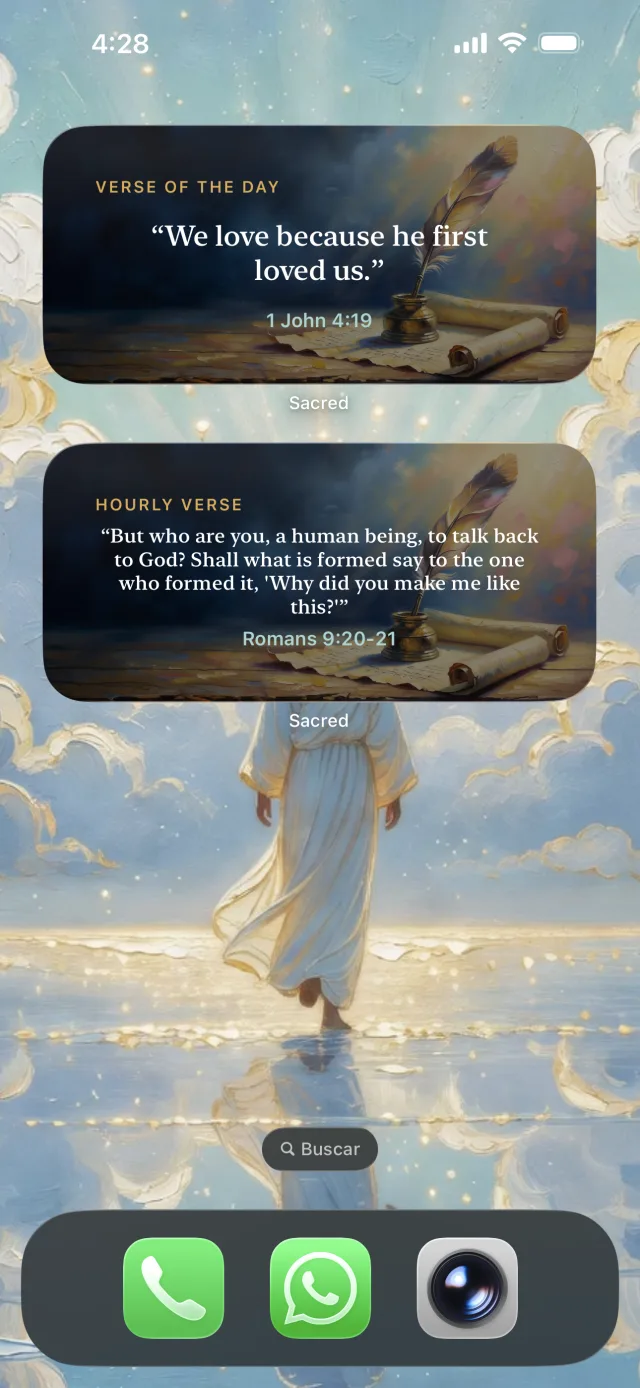
Using tools like the Sacred app can support individuals in aligning their lifestyle with biblical principles. With features like daily personalized verses and guided prayers, Sacred can help maintain a balanced perspective on alcohol consumption, promoting a life filled with spiritual joy and self-control. For further insights, consider reading our article on how to cultivate spiritual discipline and navigating modern temptations.
Looking for a daily companion on your faith journey? Sacred offers a personalized daily verse, guided prayer, and biblical AI chat to help you grow closer to God — in just 6 minutes a day.
 Sacred Shorts
Watch the Bible like never before
Cinematic Bible stories, a complete Study Bible, daily devotionals, and guided prayer. New episodes every week.


Frequently asked questions
The Bible does not label drinking alcohol as a sin. However, it warns against drunkenness and encourages moderation. Responsible consumption is key, as excessive drinking can lead to sinful behavior.
Wine in the Bible is often seen as a symbol of joy and blessing but is also cautioned against in excess. It is used in celebrations and religious ceremonies, but moderation is advised.
Christians can drink alcohol as long as it is done responsibly and in moderation. The focus should be on maintaining self-control and ensuring that drinking does not interfere with one's spiritual life or harm others.
To ensure drinking aligns with biblical teachings, one should practice moderation, avoid drunkenness, and consider the impact of their drinking habits on their spiritual life and community. Reflecting on scriptures and seeking guidance through prayer can also help.