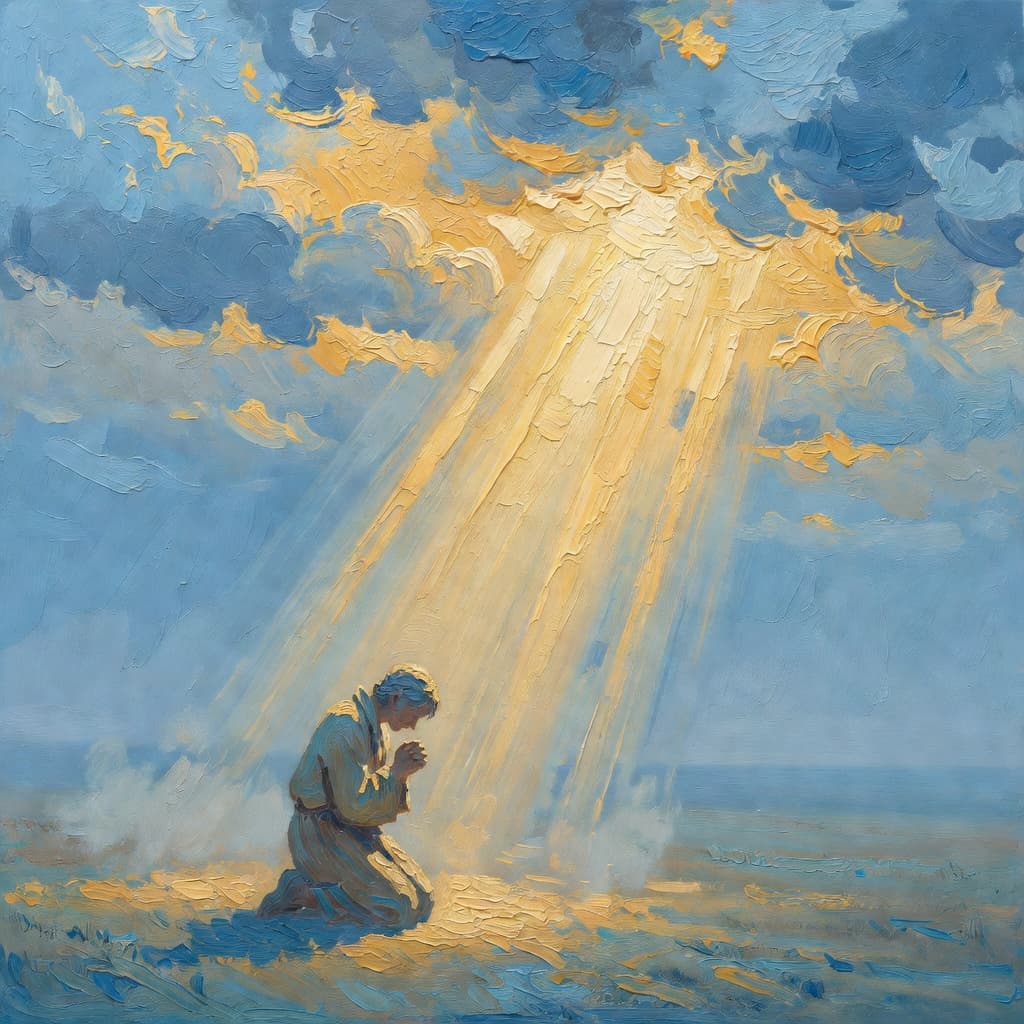
The Bible teaches that the Holy Spirit is the third person of the Trinity, playing a vital role in the lives of believers. The Holy Spirit is described as a helper, guide, and source of spiritual gifts and fruit, empowering and comforting those who follow Christ.
What does the Bible teach about the Holy Spirit?
The Bible provides a rich and multifaceted understanding of the Holy Spirit, highlighting His divine nature and role in the Christian faith. The Holy Spirit is depicted as a comforter and advocate who empowers believers, guiding them into truth and aiding in their spiritual growth. Jesus promised His disciples the Holy Spirit as a helper who would be with them forever (John 14:16-17). This assurance was fulfilled at Pentecost, as described in the book of Acts, when the Holy Spirit descended upon the apostles, filling them with divine power (Acts 2:1-4).
Moreover, the Holy Spirit is responsible for convicting the world of sin, righteousness, and judgment (John 16:8). The Apostle Paul emphasizes that believers receive spiritual gifts from the Holy Spirit, which are to be used for the common good (1 Corinthians 12:7). These teachings collectively underscore the Holy Spirit's integral role in guiding, empowering, and sustaining believers in their faith journey.
Key verses about the Holy Spirit
John 14:26 (NIV)
"But the Advocate, the Holy Spirit, whom the Father will send in my name, will teach you all things and will remind you of everything I have said to you."
Author: This verse was written by the Apostle John, an eyewitness to Jesus' ministry.
Context: Jesus spoke these words to His disciples during the Last Supper, promising them divine guidance after His departure.
Application: Believers can find comfort in knowing that the Holy Spirit continues to teach and remind them of Jesus' teachings today.
Acts 2:4 (NIV)
"All of them were filled with the Holy Spirit and began to speak in other tongues as the Spirit enabled them."
Author: This account was written by Luke, a companion of the Apostle Paul, in the Book of Acts.
Context: The event occurred at Pentecost, marking the birth of the early Church as the Holy Spirit empowered the apostles.
Application: The Holy Spirit empowers believers to do extraordinary things in God's service, fostering unity and understanding.
Romans 8:26 (NIV)
"In the same way, the Spirit helps us in our weakness. We do not know what we ought to pray for, but the Spirit himself intercedes for us through wordless groans."
Author: The Apostle Paul wrote this letter to the Christians in Rome.
Context: Paul addresses the role of the Holy Spirit in the believer's life, particularly in prayer.
Application: When words fail, believers can trust that the Holy Spirit intercedes on their behalf, supporting them in times of need.
1 Corinthians 12:4-7 (NIV)
"There are different kinds of gifts, but the same Spirit distributes them. There are different kinds of service, but the same Lord. There are different kinds of working, but in all of them and in everyone it is the same God at work."
Author: Paul wrote this letter to the church in Corinth to address various issues and guide them in their spiritual life.
Context: Paul explains the diversity and unity of spiritual gifts within the body of Christ.
Application: Each believer is uniquely gifted by the Holy Spirit to contribute to the community and serve God’s purpose.
Galatians 5:22-23 (NIV)
"But the fruit of the Spirit is love, joy, peace, forbearance, kindness, goodness, faithfulness, gentleness, and self-control. Against such things there is no law."
Author: Paul wrote to the Christians in Galatia, emphasizing the freedom found in Christ.
Context: This passage highlights the characteristics produced in believers by the Holy Spirit.
Application: By cultivating these fruits, believers can live in a way that reflects their faith and positively impacts the world around them.

The Bible has never felt like this
Watch this story come to life as a cinematic series in Sacred.
4.8on the App Store
How to apply these teachings today
Applying the teachings about the Holy Spirit in our daily lives involves recognizing His active presence and influence. Believers are encouraged to seek the Holy Spirit's guidance in decision-making, rely on His strength in times of weakness, and use their spiritual gifts to serve others. If you're unsure how to begin, learn how to pray when you don't know what to say. Embracing the fruits of the Spirit can transform personal relationships and communities, promoting peace and understanding. Consider starting your day with morning prayer to invite the Holy Spirit's presence.
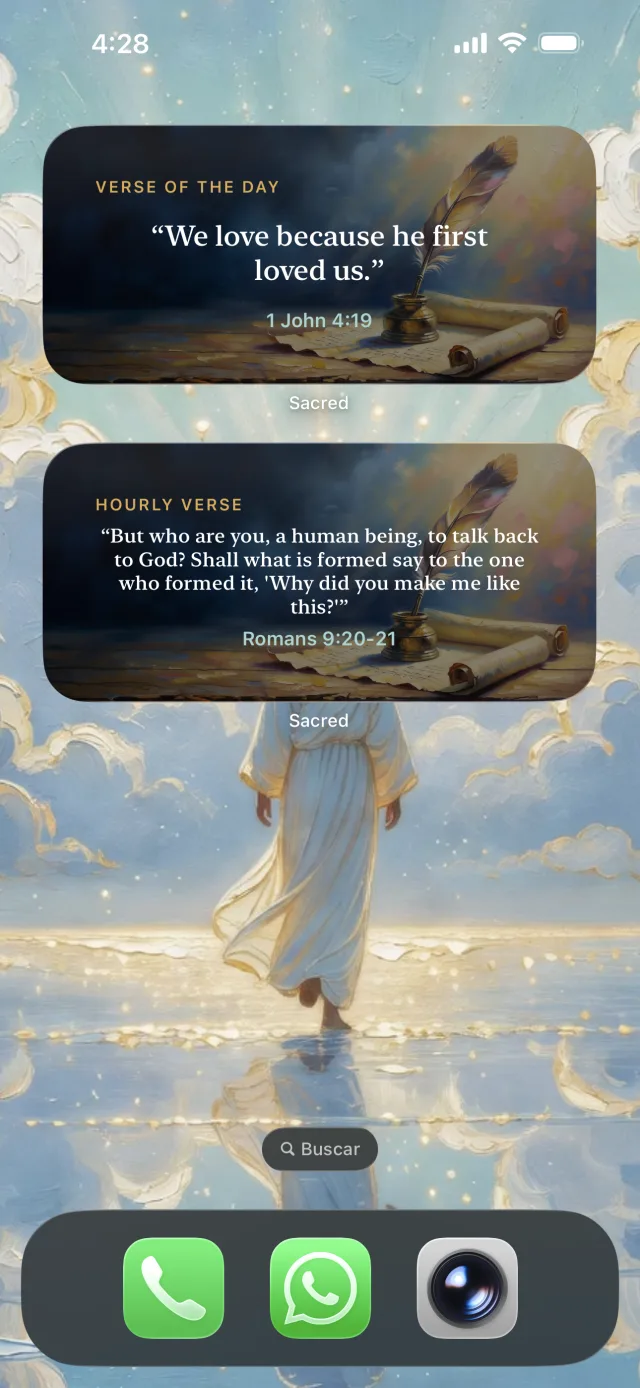
Incorporating practices such as prayer, meditation, and engaging with scripture can enhance one’s awareness of the Holy Spirit. Apps like Sacred, which offer daily personalized verses and guided prayers, can be valuable tools in cultivating a deeper relationship with the Holy Spirit. By consistently turning to the Holy Spirit, believers can navigate life's challenges with hope and assurance. Discover more about how Sacred can support your spiritual journey by visiting Sacred.
For further exploration of the Holy Spirit's role, consider reading our articles on The Power of Prayer and Understanding Spiritual Gifts, which delve deeper into these essential aspects of faith.
Tools like Sacred can help you explore these teachings daily through personalized verses and guided prayers.
Ready to deepen your faith? Download Sacred and start your daily spiritual journey with personalized Bible verses, guided prayers, and more.
 Sacred Shorts
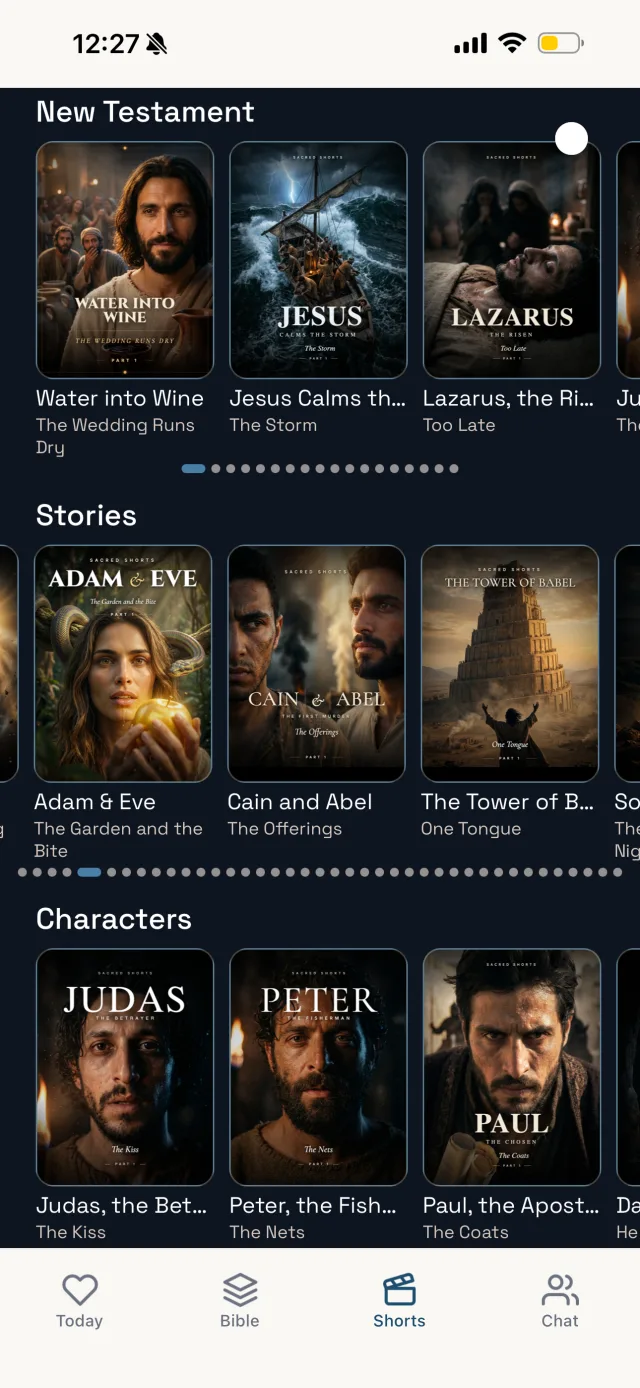
Watch the Bible like never before
Cinematic Bible stories, a complete Study Bible, daily devotionals, and guided prayer. New episodes every week.

Frequently asked questions
The Holy Spirit is the third person of the Trinity, co-equal with the Father and the Son. He plays a crucial role in creation, inspiration of Scripture, and the empowerment and sanctification of believers.
The Bible teaches that believers receive the Holy Spirit through faith in Jesus Christ. Acts 2:38 indicates that repentance and baptism in Jesus' name are associated with receiving the gift of the Holy Spirit.
Yes, the Bible suggests that the Holy Spirit dwells within all who believe in Jesus Christ. Romans 8:9 states that anyone who does not have the Spirit of Christ does not belong to Him, highlighting the indwelling of the Spirit as a mark of believers.
The gifts of the Holy Spirit include wisdom, knowledge, faith, healing, miracles, prophecy, discernment, speaking in tongues, and interpretation of tongues, as outlined in 1 Corinthians 12:8-10.