
The Bible teaches that the environment is a part of God's creation, entrusted to humanity for stewardship and care. It emphasizes the importance of respecting and preserving the earth, as it reflects God's handiwork and sustains life. This stewardship is a sacred responsibility, encouraging us to honor and protect the natural world.
What does the Bible teach about the environment?
The Bible provides a framework for understanding the environment as a divinely created and sustained entity. In Genesis, God created the heavens and the earth, declaring them "very good" (Genesis 1:31, NIV). Humanity was given the task of caring for this creation, as seen in Genesis 2:15, where Adam is placed in the Garden of Eden "to work it and take care of it" (NIV). This role of stewardship implies a responsibility to manage the earth's resources wisely and ethically.
The Psalms often celebrate the beauty and majesty of creation, reminding believers of the intricate connection between God and the natural world. Psalm 24:1 states, "The earth is the Lord’s, and everything in it," highlighting the divine ownership of all creation and our role as caretakers, not owners. This perspective encourages a respectful approach to environmental issues, recognizing the earth's value beyond its material resources.
For more insights on stewardship, you can explore our article on biblical stewardship.
Key verses about the environment
- Genesis 1:31
"God saw all that he had made, and it was very good."
Author: Traditionally attributed to Moses.
Context: Part of the creation narrative, describing God's satisfaction with His work.
Application: This verse calls us to appreciate the inherent goodness of creation and motivates us to maintain its integrity.
Many people find that a consistent prayer practice transforms their relationship with Scripture. Sacred provides a simple, guided way to build this habit — combining daily prayer with biblical reflection in just 6 minutes.
-
Genesis 2:15
"The Lord God took the man and put him in the Garden of Eden to work it and take care of it."
Author: Traditionally attributed to Moses.
Context: Describes humanity's original role in the perfect environment of Eden.
Application: Encourages us to actively participate in environmental conservation and sustainable practices. -
Psalm 24:1
"The earth is the Lord’s, and everything in it, the world, and all who live in it."
Author: King David.
Context: A psalm celebrating God's sovereignty and the holiness of His creation.
Application: Reminds us to treat the earth with respect, as it belongs to God. -
Psalm 104:24-25
"How many are your works, Lord! In wisdom you made them all; the earth is full of your creatures."
Author: Traditionally attributed to various authors, possibly including David.
Context: A hymn of praise for God's creation and providence.
Application: Inspires wonder and respect for biodiversity, encouraging conservation efforts. -
Romans 8:19-21
"For the creation waits in eager expectation for the children of God to be revealed."
Author: Apostle Paul.
Context: Discusses the future glory that awaits creation alongside redemption.
Application: Encourages hope and action toward restoring creation while anticipating future renewal. -
Colossians 1:16
"For in him all things were created: things in heaven and on earth, visible and invisible, whether thrones or powers or rulers or authorities; all things have been created through him and for him."
Author: Apostle Paul.
Context: Emphasizes the supremacy of Christ in creation.
Application: Calls us to recognize the interconnectedness of all creation through Christ.
To further explore how these teachings can be applied in daily life, consider downloading the Sacred app for guided reflections and community support.
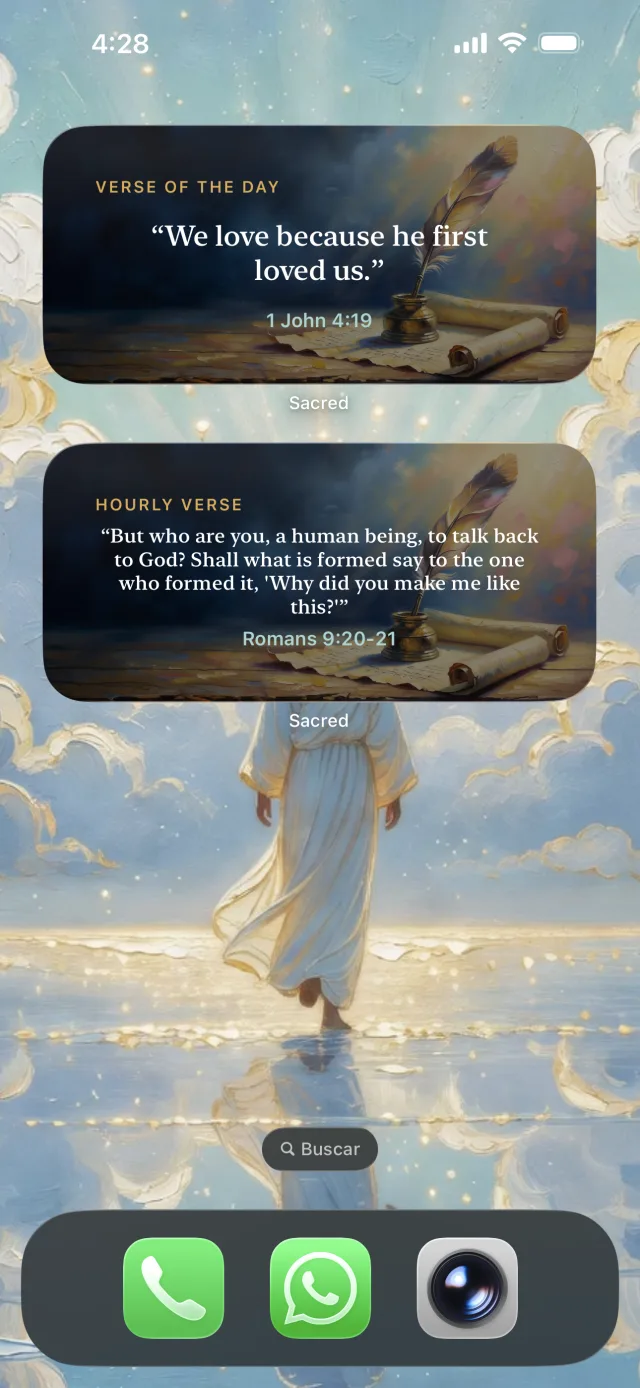
By integrating these biblical teachings into our lives, we can become better stewards of the environment, honoring God's creation and ensuring its preservation for future generations. The Sacred app offers resources to deepen your understanding and practice of these principles, providing daily verses, guided prayer, and a biblical AI chat feature.
Looking for a daily moment with God? Sacred offers a guided prayer experience rooted in Scripture — just 6 minutes a day to find peace, clarity, and connection with God.
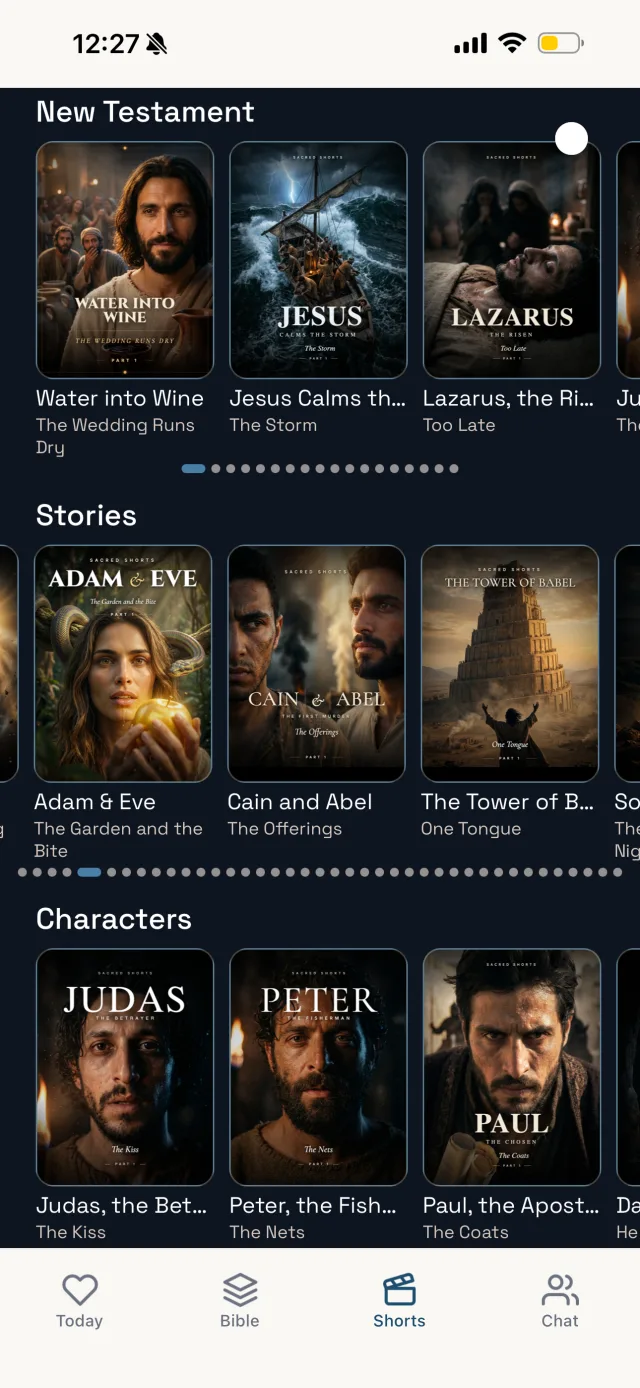
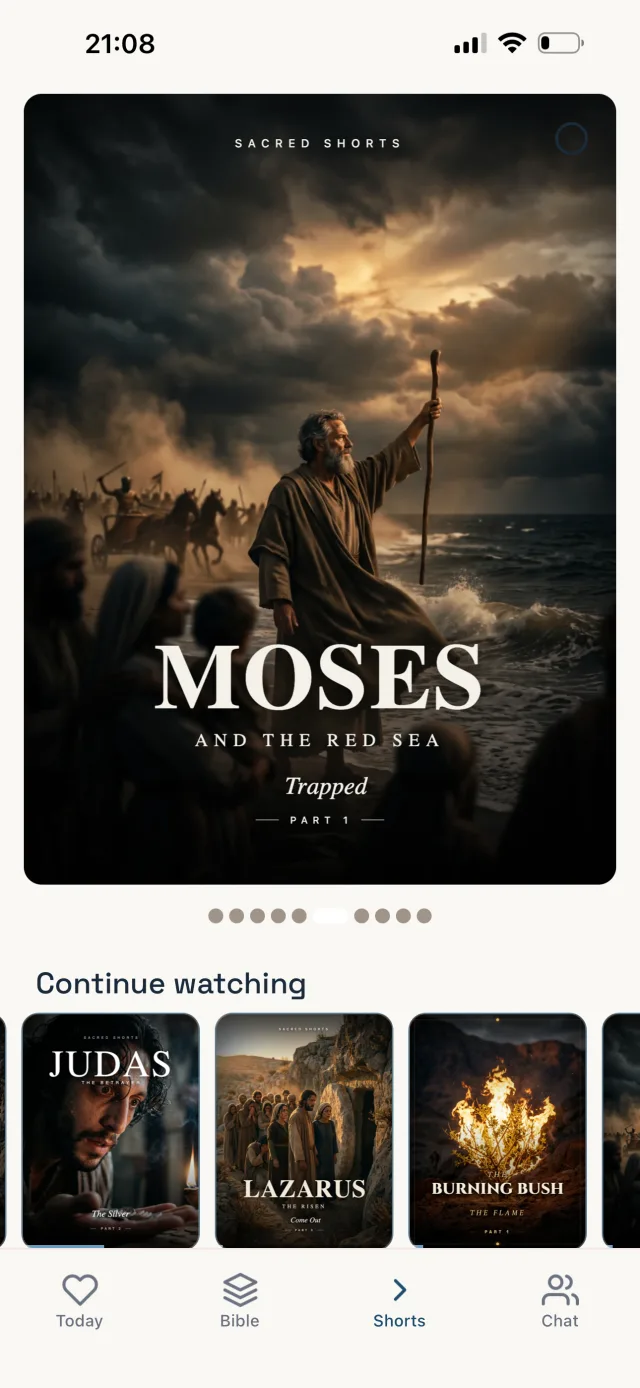
 Sacred Shorts
Watch the Bible like never before
Cinematic Bible stories, a complete Study Bible, daily devotionals, and guided prayer. New episodes every week.
Frequently asked questions
The Bible provides guidance through various passages and teachings.
Through prayer, reflection, and [daily practice of biblical principles](/blog/how-to-build-a-daily-devotional-habit).
Sacred app offers daily verses, guided prayer, and biblical AI chat to deepen your understanding.