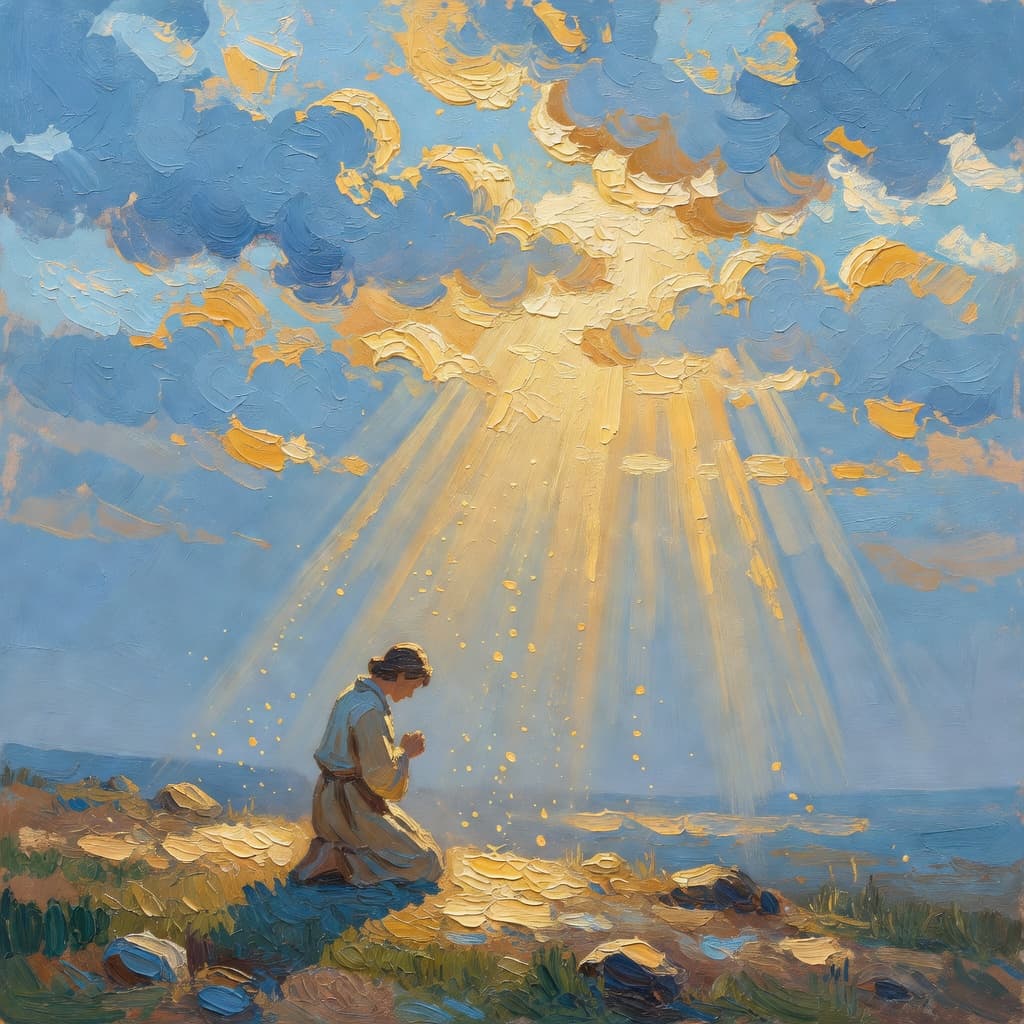
The Bible teaches that worship is a heartfelt response to God's greatness, characterized by reverence, gratitude, and obedience. Worship involves both individual and communal expressions, centering on God’s worthiness and holiness, as seen throughout the Scriptures.
What Does the Bible Teach About Worship?
Worship in the Bible is a profound expression of love, reverence, and devotion to God. It transcends mere rituals and ceremonies, focusing instead on the sincere posture of the heart. The New Testament emphasizes worship "in the Spirit and in truth" (John 4:24, NIV), highlighting the necessity of genuine faith and spiritual sincerity. This form of worship is not limited to specific times or places; rather, it is a continuous, life-encompassing act of honoring God.
In the Old Testament, worship often involved sacrifices and specific rituals as seen in the practices of the Israelites. However, these acts were intended to direct the hearts of the worshipers toward a deeper relationship with God. The Psalms, a rich source of worship expressions, frequently call believers to "worship the Lord with gladness" and "come before him with joyful songs" (Psalm 100:2, NIV).
The Bible also underscores the importance of communal worship. Hebrews 10:25 (NIV) encourages believers not to give up meeting together, but to encourage one another. This communal aspect highlights the strength and unity found in worshiping God together. Ultimately, biblical worship is an all-encompassing life response to God's profound love and holiness.
Key Verses About Worship
Psalm 95:6
Many people find that a consistent prayer practice transforms their relationship with Scripture. Sacred provides a simple, guided way to build this habit — combining daily prayer with biblical reflection in just 6 minutes.
"Come, let us bow down in worship, let us kneel before the Lord our Maker."
Author and Historical Context: Traditionally attributed to King David, the Psalms are a collection of songs and prayers written over several centuries to express the heart of Israel in its worship and relationship with God. Psalm 95 is part of a series of Psalms that call the community to praise and reverence for God as the Creator and Shepherd of His people.
Practical Application: This verse encourages us to approach God with humility and reverence, acknowledging His role as our Creator in our daily acts of worship.
Colossians 3:16
"Let the message of Christ dwell among you richly as you teach and admonish one another with all wisdom through psalms, hymns, and songs from the Spirit, singing to God with gratitude in your hearts."
Author and Historical Context: The Apostle Paul wrote the letter to the Colossians while imprisoned, addressing the Christian community in Colossae to correct false teachings and to emphasize the supremacy of Christ. Paul underscores the communal and spiritual nature of worship that should be rooted in Christ's teachings.
Practical Application: Incorporate singing and gratitude into your daily life as a natural expression of Christ’s teachings dwelling within you.
Hebrews 12:28
"Therefore, since we are receiving a kingdom that cannot be shaken, let us be thankful, and so worship God acceptably with reverence and awe."
Author and Historical Context: The authorship of Hebrews is uncertain, but it was written to Jewish Christians facing persecution, encouraging them to persevere in their faith. It emphasizes the superiority of Christ and the new covenant over the old, urging believers to worship God with reverence because of the unshakable kingdom they are receiving.
Practical Application: Worship God with a heart full of gratitude and reverence, recognizing the eternal stability and hope found in His kingdom.
1 Chronicles 16:29
"Ascribe to the Lord the glory due his name; bring an offering and come before him. Worship the Lord in the splendor of his holiness."
Author and Historical Context: Traditionally attributed to Ezra, the book of 1 Chronicles recounts the history of Israel with a focus on David's reign and the establishment of proper worship. This passage is part of a song of praise offered by David when the Ark of the Covenant was brought to Jerusalem, highlighting the glory and holiness of God.
Practical Application: Acknowledge God’s glory and holiness in your worship by offering your life as a daily sacrifice of praise.
Revelation 4:11
"You are worthy, our Lord and God, to receive glory and honor and power, for you created all things, and by your will they were created and have their being."
Author and Historical Context: Written by the Apostle John while exiled on the island of Patmos, Revelation is a vision of the end times and the ultimate triumph of God. This verse is part of a heavenly scene where the living creatures and elders worship God, acknowledging His sovereignty and creative power.
Practical Application: Recognize and proclaim God’s worthiness in your worship, reflecting on His power and purpose in creation.

The Bible has never felt like this
Watch this story come to life as a cinematic series in Sacred.
4.8on the App Store
How to Apply These Teachings Today
Applying these teachings in daily life involves fostering a heart of gratitude and making worship a part of everyday activities. Begin by setting aside time each day to express gratitude, whether through prayer, song, or reflection, as discussed in How to Build a Daily Devotional Habit. Use moments of routine, like commuting or household chores, as opportunities to praise God, turning mundane tasks into acts of worship, similar to insights from What Does the Bible Say About Prayer.
Incorporate worship into community life by joining others, either in person or through digital platforms like the Sacred app, which connects believers worldwide for shared worship experiences, as highlighted in Morning Prayer: 6 Minutes That Transform Your Day. This can enhance the sense of communal joy and celebration mentioned in Psalm 100:1-2.
Moreover, practice Hebrews 13:15 by intentionally speaking words of praise and gratitude. Share your faith openly, and let your conversations reflect your devotion. Whether it's through social media, casual conversations, or community gatherings, let your words be a testament to your belief.
Incorporating worship into daily life transforms ordinary moments into sacred ones, enriching your relationship with God and bringing a deeper sense of joy and purpose.
> **Looking for a daily moment with God?** [Sacred](https://sacred.onelink.me/Viuc?pid=blog&c=article_cta&af_channel=organic_blog) offers a guided prayer experience rooted in Scripture — just 6 minutes a day to find peace, clarity, and connection with God.


## Frequently Asked Questions

### What is the purpose of worship according to the Bible?
Worship in the Bible is about honoring and revering God, recognizing His sovereignty and holiness. It involves expressing love, gratitude, and devotion to Him. According to Romans 12:1, worship is offering our bodies as a living sacrifice, holy and pleasing to God, which is our true and proper worship. It encompasses both individual and communal aspects, aiming to deepen our relationship with God.

### How did early Christians worship?
Early Christians worshiped through various practices as outlined in the New Testament. Acts 2:42 describes their devotion to the apostles' teaching, fellowship, breaking of bread, and prayer. They gathered in homes for communal worship, shared meals, and observed the Lord's Supper. Singing hymns and spiritual songs, as mentioned in Ephesians 5:19, was also a significant part of their worship experience.

### Why is music important in worship?
Music is a vital component of worship as it helps express emotions and truths about God. Colossians 3:16 encourages believers to teach and admonish one another with psalms, hymns, and songs from the Spirit, singing to God with gratitude in their hearts. Music fosters a sense of unity among believers, aids in memorizing Scripture, and allows for a deeper emotional connection with God during worship.
 Sacred Shorts
Watch the Bible like never before
Cinematic Bible stories, a complete Study Bible, daily devotionals, and guided prayer. New episodes every week.


Frequently asked questions
Worship in the Bible is about honoring and revering God, recognizing His sovereignty and holiness. It involves expressing love, gratitude, and devotion to Him. According to [Romans 12:1](https://www.biblegateway.com/passage/?search=Romans+12%3A1&version=NIV), worship is offering our bodies as a living sacrifice, holy and pleasing to God, which is our true and proper worship. It encompasses both individual and communal aspects, aiming to deepen our relationship with God.
Early Christians worshiped through various practices as outlined in the New Testament. Acts 2:42 describes their devotion to the apostles' teaching, fellowship, breaking of bread, and prayer. They gathered in homes for communal worship, shared meals, and observed the Lord's Supper. Singing hymns and spiritual songs, as mentioned in Ephesians 5:19, was also a significant part of their worship experience.
Music is a vital component of worship as it helps express emotions and truths about God. Colossians 3:16 encourages believers to teach and admonish one another with psalms, hymns, and songs from the Spirit, singing to God with gratitude in their hearts. Music fosters a sense of unity among believers, aids in memorizing Scripture, and allows for a deeper emotional connection with God during worship.