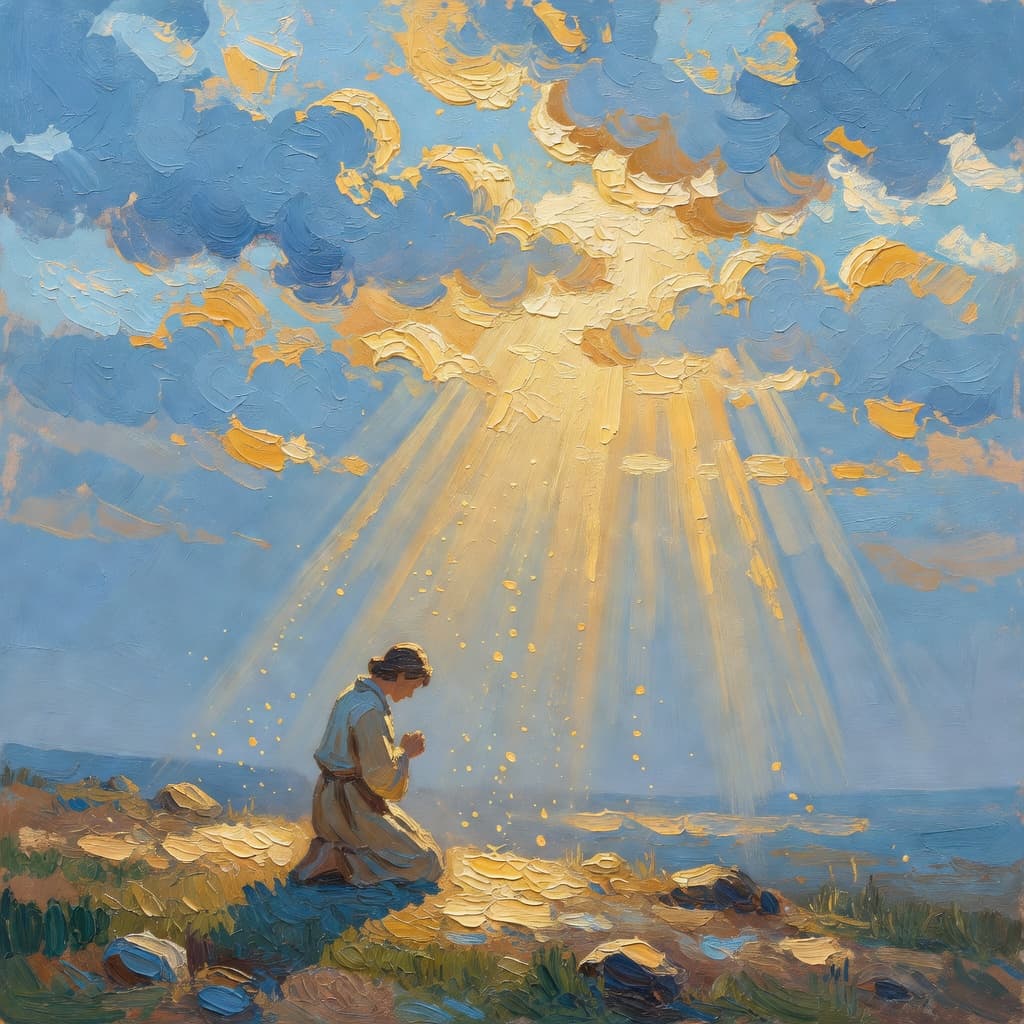
The Bible presents heaven as a place of eternal peace and joy in the presence of God — a realm where suffering ends and believers experience the fullness of divine love. Scripture describes it not as a distant abstraction, but as the assured destination for those who trust in Christ. From Genesis to Revelation, the promise of heaven anchors the believer's hope.
What Does the Bible Teach About Heaven?
Heaven occupies a central place in biblical theology. Far from being a vague spiritual concept, the Bible describes heaven in concrete and deeply personal terms. Jesus told His disciples, "My Father's house has many rooms; if that were not so, would I have told you that I am going there to prepare a place for you?" (John 14:2, NIV). This language of preparation and welcome reveals a God who anticipates reunion with His people.
The book of Revelation provides the most detailed portrait: a New Jerusalem descending from heaven, with streets of gold and gates of pearl (Revelation 21:21). But the most striking feature is not the architecture — it is the presence of God Himself. "He will wipe every tear from their eyes. There will be no more death or mourning or crying or pain" (Revelation 21:4, NIV). Heaven is ultimately defined by what it contains — God's unmediated presence — and what it lacks — every form of suffering.
The Apostle Paul, writing from prison, called heaven a place of "citizenship" for believers: "But our citizenship is in heaven. And we eagerly await a Savior from there" (Philippians 3:20, NIV). In a Roman colony where earthly citizenship conferred enormous privilege, Paul was making a radical claim — that the believer's true identity and home lies beyond this world.
Key Verses About Heaven
John 14:2-3 (NIV): "My Father's house has many rooms; if that were not so, would I have told you that I am going there to prepare a place for you? And if I go and prepare a place for you, I will come back and take you to be with me that you also may be where I am." Written by: John, the beloved disciple, recording Jesus' words during the Last Supper. Jesus was preparing His closest followers for His departure, offering them — and every future believer — the assurance of a personal reunion.
Revelation 21:4 (NIV): "He will wipe every tear from their eyes. There will be no more death or mourning or crying or pain, for the old order of things has passed away." Written by: John, exiled on the island of Patmos around 95 AD during Roman persecution. This vision was given to encourage suffering Christians that their present pain would give way to eternal comfort.
2 Corinthians 5:1 (NIV): "For we know that if the earthly tent we live in is destroyed, we have a building from God, an eternal house in heaven, not built by human hands." Written by: Paul to the church in Corinth. Using the metaphor of a tent — temporary, fragile — Paul contrasts earthly life with the permanence of our heavenly dwelling. For early Christians facing persecution, this was radical comfort.
Philippians 3:20-21 (NIV): "But our citizenship is in heaven. And we eagerly await a Savior from there, the Lord Jesus Christ, who, by the power that enables him to bring everything under his control, will transform our lowly bodies so that they will be like his glorious body." Written by: Paul from prison to a church in Philippi, a proud Roman colony. Reminding them that their highest allegiance belonged not to Rome but to heaven was both countercultural and deeply encouraging.
Matthew 6:19-21 (NIV): "Do not store up for yourselves treasures on earth, where moths and vermin destroy, and where thieves break in and steal. But store up for yourselves treasures in heaven, where moths and vermin do not destroy, and where thieves do not break in and steal." Written by: Matthew, recording Jesus' Sermon on the Mount. Jesus redirected His listeners' priorities from temporary wealth to eternal value — a teaching that cuts just as sharply in a consumer culture today.

The Bible has never felt like this
Watch this story come to life as a cinematic series in Sacred.
4.8on the App Store
How to Apply These Teachings Today
The biblical vision of heaven reshapes how we approach daily life. If this world is not our final destination, we can hold our circumstances — both blessings and hardships — with open hands. The promise of heaven does not make us passive; it liberates us from the fear that this life is all there is.
Practically, this means we can face grief with hope, knowing that separation from loved ones who trusted Christ is temporary. It means we can prioritize generosity over accumulation, since "where your treasure is, there your heart will be also" (Matthew 6:21). And it means we can endure suffering without despair, because Paul himself concluded, "I consider that our present sufferings are not worth comparing with the glory that will be revealed in us" (Romans 8:18, NIV). If you want to explore what the Bible says about related topics like faith or suffering, these pages dive deeper into those teachings.
Building a daily habit of reflecting on Scripture — through tools like Sacred, which offers personalized daily verses and guided reflections — can help keep an eternal perspective alive amid the noise of everyday life. Heaven is not just a future destination; understanding it transforms how we live right now. You can also explore related topics like what the Bible says about death and God's will on Sacred.
🙏 Looking for a deeper daily connection with Scripture? Sacred offers personalized Bible verses and guided spiritual reflections tailored to your journey — in just 6 minutes a day.
 Sacred Shorts
Watch the Bible like never before
Cinematic Bible stories, a complete Study Bible, daily devotionals, and guided prayer. New episodes every week.


Frequently asked questions
The Bible teaches that those who place their faith in Jesus Christ and accept Him as Lord and Savior will have eternal life in heaven (John 3:16). It emphasizes faith, repentance, and a personal relationship with Christ as the pathway to eternal life.
Yes. Revelation 21 describes the New Jerusalem with streets of gold, gates of pearl, and the very presence of God as its light. These descriptions use vivid imagery to convey heaven's beauty, perfection, and the absence of suffering.
The New Jerusalem, described in Revelation 21-22, represents the ultimate renewal of creation where heaven and earth unite. It is the final dwelling place of God with His people — the fulfillment of every biblical promise about eternal life.