
The Bible teaches that sin is a transgression against God's will and a separation from His holiness. It portrays sin as a universal human condition that necessitates redemption through Jesus Christ, emphasizing the importance of repentance and forgiveness.
What does the Bible teach about sin?
The Bible presents sin as a fundamental aspect of human nature that separates us from God. Sin first entered the world through Adam and Eve's disobedience in the Garden of Eden, as described in Genesis 3. This act set the stage for humanity's ongoing struggle with sin. The Bible teaches that all have sinned and fall short of the glory of God (Romans 3:23), highlighting the universal nature of sin and the need for redemption.
In the New Testament, sin is portrayed as not only individual acts of wrongdoing but also as a state of being that is contrary to God's intentions for humanity. This is evident in passages such as 1 John 1:8-9, which underscores the necessity of confessing our sins to receive forgiveness and purification through Jesus. The Bible emphasizes that Jesus' sacrifice on the cross provides the ultimate atonement for sin, offering a path to reconciliation with God for all who believe and repent.
Key verses about sin
-
Romans 3:23
"For all have sinned and fall short of the glory of God."
- Author: Apostle Paul
- Historical Context: Written to the Roman church to explain the doctrine of salvation.
- Practical Application: Recognize that everyone is in need of God's grace and strive to live in alignment with His will.
-
1 John 1:8-9
"If we claim to be without sin, we deceive ourselves and the truth is not in us. If we confess our sins, he is faithful and just and will forgive us our sins and purify us from all unrighteousness."
- Author: Apostle John
- Historical Context: Addressed to early Christians to affirm the reality of sin and the promise of forgiveness.
- Practical Application: Regularly confess your sins to maintain a sincere and humble relationship with God.
-
Romans 6:23
"For the wages of sin is death, but the gift of God is eternal life in Christ Jesus our Lord."
- Author: Apostle Paul
- Historical Context: Part of Paul's theological explanation in his letter to the Romans.
- Practical Application: Understand the gravity of sin and the incredible gift of eternal life offered through Christ.
-
James 4:17
"If anyone, then, knows the good they ought to do and doesn’t do it, it is sin for them."
- Author: James, brother of Jesus
- Historical Context: Written to Jewish Christians scattered outside of Israel.
- Practical Application: Actively pursue righteousness by doing the good you are aware of.
-
Galatians 5:19-21
"The acts of the flesh are obvious: sexual immorality, impurity and debauchery; idolatry and witchcraft; hatred, discord, jealousy, fits of rage, selfish ambition, dissensions, factions and envy; drunkenness, orgies, and the like. I warn you, as I did before, that those who live like this will not inherit the kingdom of God."
- Author: Apostle Paul
- Historical Context: Written to the churches in Galatia to guide them in Christian living.
- Practical Application: Avoid behaviors that lead away from God's kingdom and cultivate a life led by the Spirit.

The Bible has never felt like this
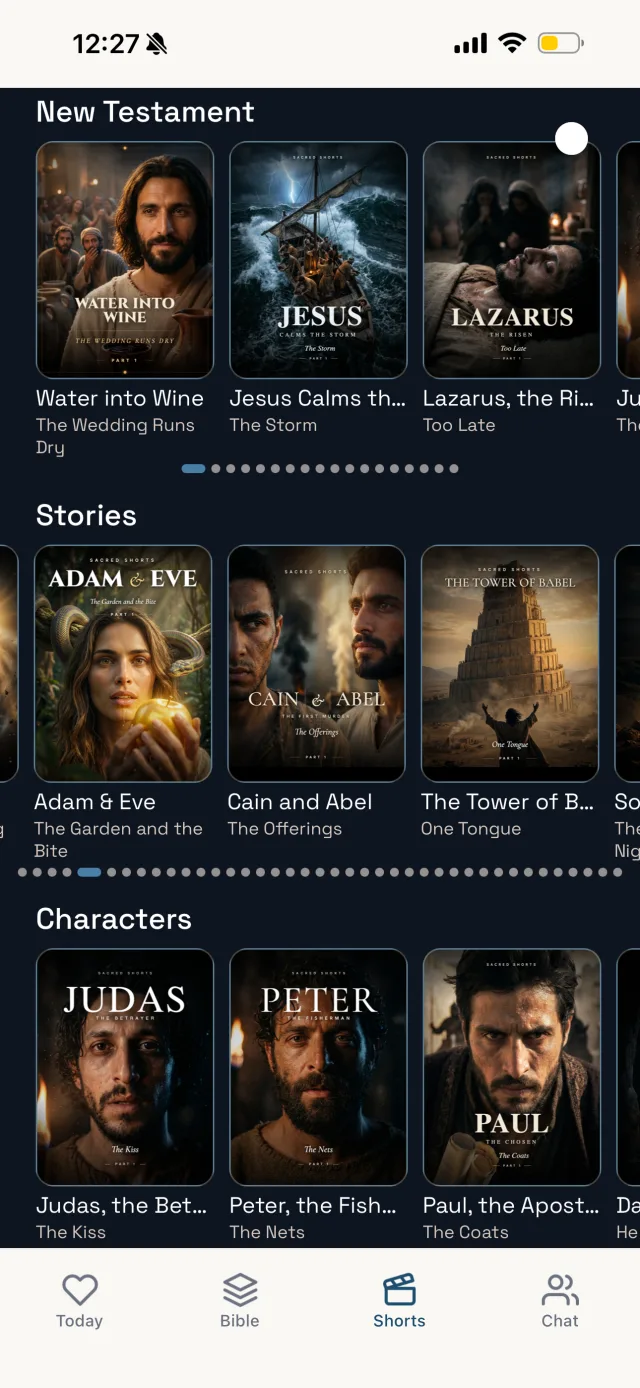
Watch this story come to life as a cinematic series in Sacred.
4.8on the App Store
How to apply these teachings today
Understanding sin from a biblical perspective helps in acknowledging our own shortcomings and the need for divine grace. In today's world, one can apply these teachings by cultivating a habit of self-reflection and prayer, seeking God's guidance to overcome personal flaws. Regular confession and repentance play a crucial role in maintaining a healthy spiritual life, as explored in How to Pray When You Don't Know What to Say. Engaging with platforms like Sacred can provide daily inspiration through personalized verses and guided prayers, helping individuals stay connected with their faith journey, as discussed in How to Build a Daily Devotional Habit.
The Bible's message on sin is as relevant today as it was in ancient times, encouraging believers to live lives marked by forgiveness, love, and righteousness. By integrating these principles into daily life, Christians can strive to reflect the character of Christ in all their interactions. For more resources and spiritual guidance, consider exploring the Sacred app to deepen your understanding and practice of faith.
Tools like Sacred can help you explore these teachings daily through personalized verses and guided prayers.
Ready to deepen your faith? Download Sacred and start your daily spiritual journey with personalized Bible verses, guided prayers, and more.
 Sacred Shorts
Watch the Bible like never before
Cinematic Bible stories, a complete Study Bible, daily devotionals, and guided prayer. New episodes every week.


Frequently asked questions
Sin is defined as any action, thought, or behavior that goes against God's commands and His holy nature. It is considered a separation from God and requires repentance and forgiveness.
Sin is a problem because it creates a barrier between humans and God. It disrupts the harmony intended in creation, leading to spiritual death and necessitating redemption through Jesus Christ.
The Bible suggests overcoming sin through repentance, faith in Jesus Christ, and living according to the guidance of the Holy Spirit. This involves regular prayer, confession, and striving to align one's life with biblical teachings.