
The Bible provides clear guidance on managing finances, particularly regarding debt. It emphasizes wisdom, responsibility, and caution, suggesting that while debt is not inherently sinful, it can become burdensome and hinder one's ability to serve God and others. Therefore, believers are encouraged to avoid unnecessary debt and repay obligations promptly.
What does the Bible teach about debt?
The Bible offers several insights into the nature of debt, advocating for a balanced and prudent approach. It teaches that while borrowing is not inherently wrong, it should be approached with caution and a clear plan for repayment. The Bible advises against becoming enslaved by debt, underscoring the importance of financial freedom in serving God fully.
For example, Proverbs 22:7 states, "The rich rule over the poor, and the borrower is slave to the lender." This verse illustrates the potential pitfalls of debt, warning believers of the loss of autonomy it can cause. The Bible also emphasizes the importance of fulfilling one's commitments, as seen in Psalm 37:21: "The wicked borrow and do not repay, but the righteous give generously." This suggests that integrity and generosity should guide a Christian's financial dealings. By applying these principles, believers can maintain financial health and focus more on their spiritual growth and service.
Key verses about debt
Proverbs 22:7
"The rich rule over the poor, and the borrower is slave to the lender."
Written by King Solomon, this proverb is part of a collection of wise sayings. Historically, it reflects the societal norms where debt often led to servitude. Practically, it serves as a warning about the loss of freedom and control that can accompany excessive debt.
For a deeper daily connection with Scripture, Sacred offers personalized Bible verses and guided reflections to help you grow in faith.
Psalm 37:21
"The wicked borrow and do not repay, but the righteous give generously."
Attributed to David, this psalm contrasts the behavior of the wicked and the righteous. During David's time, failing to repay debts was seen as a moral failing. This verse encourages believers to honor their financial commitments and cultivate generosity.
Romans 13:8
"Let no debt remain outstanding, except the continuing debt to love one another, for whoever loves others has fulfilled the law."
Written by the Apostle Paul to the Roman church, this letter addresses Christian conduct. In the Roman Empire, financial obligations were significant, and Paul urges believers to prioritize love over financial debts. This teaches the importance of maintaining good relationships and prioritizing love.
Deuteronomy 15:6
"For the Lord your God will bless you as he has promised, and you will lend to many nations but will borrow from none."
Authored by Moses, this verse is part of the law given to Israel. It reflects God's promise of abundance if the Israelites obeyed His commands. It encourages believers to strive for financial independence and the ability to bless others.
Matthew 6:12
"And forgive us our debts, as we also have forgiven our debtors."
Jesus taught this prayer to His disciples as part of the Sermon on the Mount. In this context, 'debts' can refer to both financial and moral obligations. It highlights the importance of forgiveness and grace in both financial and relational matters.

The Bible has never felt like this
Watch this story come to life as a cinematic series in Sacred.
4.8on the App Store
How to apply these teachings today
Applying biblical teachings about debt in today's world involves a thoughtful approach to financial management. First, it is crucial to evaluate the necessity of taking on debt and to avoid it unless absolutely necessary. This means living within one's means and practicing contentment with what one has.
Explore these teachings further with Sacred, your daily companion for biblical wisdom and spiritual growth.
Creating a budget and adhering to it is a practical step that aligns with biblical advice. This helps in tracking expenses and ensuring that debts are repaid promptly, reflecting integrity and responsibility. Additionally, building an emergency fund can provide a buffer that prevents unnecessary borrowing in times of need.
Incorporating spiritual practices into financial planning can also be beneficial, as discussed in How to Build a Daily Devotional Habit. For example, using Sacred's daily personalized verse or guided prayer features can offer encouragement and wisdom as you navigate financial decisions. By integrating faith with financial practices, believers can maintain a balanced perspective and ensure that their financial decisions align with their spiritual values, as explored in How to Start Reading the Bible.
For more insights on financial wisdom, you might find our article on Biblical Principles for Financial Stewardship helpful. Additionally, exploring How to Cultivate Contentment in a Material World can provide further guidance on maintaining a balanced life.
By embracing these teachings and utilizing resources like Sacred, believers can navigate financial challenges with wisdom and faith, ensuring their financial practices honor God and support their spiritual journey.
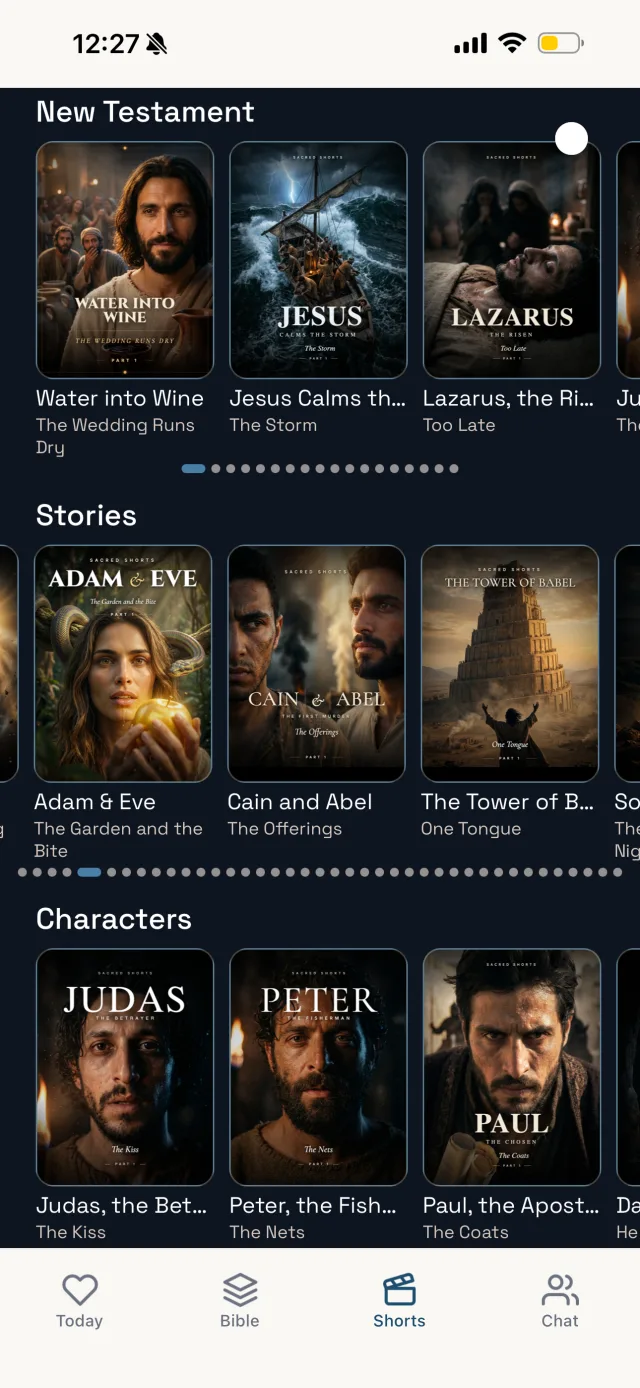
 Sacred Shorts
Watch the Bible like never before
Cinematic Bible stories, a complete Study Bible, daily devotionals, and guided prayer. New episodes every week.


Frequently asked questions
The Bible does not prohibit borrowing but advises caution. Proverbs 22:7 warns that borrowing can lead to servitude, emphasizing the importance of being able to repay debts.
Being in debt is not considered a sin in the Bible. However, failing to repay debts is discouraged. Psalm 37:21 suggests that it is righteous to repay debts and act generously.
Managing debt biblically involves living within your means, repaying obligations promptly, and practicing contentment. Creating a budget and seeking God's guidance through prayer can also help maintain financial integrity.