
The Sanctity of Human Life in the Bible
The Bible underscores the sanctity of human life through various passages, highlighting the inherent value and dignity bestowed upon humanity by God. Genesis 1:27 (NIV) states, "So God created mankind in his own image," affirming the divine imprint on human life. Psalm 139:13-16 (NIV) further illustrates this, expressing the intimate involvement of God in human creation: "For you created my inmost being; you knit me together in my mother’s womb."
Christian traditions diverge on when life begins, leading to varied interpretations. Many Evangelicals and Catholics advocate that life begins at conception, drawing from passages like Jeremiah 1:5 (NIV): "Before I formed you in the womb I knew you." This view emphasizes the continuity of life from conception as part of God's plan.
Conversely, some Protestant denominations may adopt a more nuanced stance, considering factors like fetal development and viability. They might emphasize Genesis 2:7 (NIV), where life begins with God’s breath: "Then the LORD God formed a man...and breathed into his nostrils the breath of life."
These biblical interpretations shape Christian ethical stances on issues like abortion and bioethics, reflecting a spectrum from strict adherence to more flexible considerations of life's inception.
Psalm 139:13-16 (NIV)
Psalm 139:13-16 states, "For you created my inmost being; you knit me together in my mother’s womb..." Traditionally attributed to David, this psalm reflects a deep relationship with God, emphasizing His intimate knowledge and care for individuals. Historically, it was a time when personal identity was closely tied to divine creation. Today, this passage reassures believers of their inherent worth and purpose, encouraging trust in God's intentional design for each life.
Jeremiah 1:5 (NIV)
"Before I formed you in the womb I knew you, before you were born I set you apart; I appointed you as a prophet to the nations."
Authored by the prophet Jeremiah, this verse reveals God's intimate knowledge and purpose for individuals even before birth. Historically, it underscores God's sovereign choice of Jeremiah as a prophet during a tumultuous period in Judah. Today, it reassures believers of God's intentional design and purpose for their lives, affirming their worth and calling.
Genesis 1:27 (NIV)
"So God created mankind in his own image, in the image of God he created them; male and female he created them."
Genesis, traditionally attributed to Moses, was written in an ancient Near Eastern context. This verse underscores human dignity and equality. Today, it inspires respect for all individuals, affirming intrinsic worth and promoting gender equality. Recognizing our shared divine image encourages compassion and unity across diverse communities.
Isaiah 49:1 (NIV)
"Listen to me, you islands; hear this, you distant nations: Before I was born the LORD called me; from my mother’s womb he has spoken my name."
Authored by Isaiah, this passage is part of the "Servant Songs," focusing on God's chosen servant. Historically, it addresses the Israelites' captivity, offering hope and redemption. Today, it reminds us of God's intentional design and purpose for each life, affirming our unique calling and value from conception.
How to Apply These Teachings Today
Applying biblical principles on the sanctity of life in today's complex world requires a foundation of compassion and grace. As we navigate ethical dilemmas, such as issues related to beginning and end-of-life decisions, it is crucial to remember the inherent value of every human life as taught in the Scriptures. By embracing the sanctity of life, we affirm the dignity and worth of each person, created in God's image.
Many people find that a consistent prayer practice transforms their relationship with Scripture. Sacred provides a simple, guided way to build this habit — combining daily prayer with biblical reflection in just 6 minutes.
To bring these teachings into practice, start by cultivating an attitude of empathy and understanding. Engage with others in discussions that prioritize listening and respect, acknowledging diverse perspectives. Let compassion guide your actions, ensuring that you advocate for life in ways that reflect God's love and mercy.
Additionally, consider utilizing digital resources like the Sacred app, which offers tools for prayer and spiritual guidance. The app can support your journey by providing daily reflections, scripture readings, and community prayer opportunities, helping to keep your focus on Christ-centered principles as you make ethical decisions.
By integrating these practices, you can uphold the sanctity of life in a manner that is both faithful to biblical teachings and sensitive to modern challenges. Let grace lead your interactions, ensuring that every step reflects the love and compassion that Jesus exemplified.
Looking for a daily moment with God? Sacred offers a guided prayer experience rooted in Scripture — just 6 minutes a day to find peace, clarity, and connection with God.
FAQ
What does the Bible say about the value of human life?
The Bible teaches that human life is inherently valuable because humans are made in the image of God (Genesis 1:27). This belief underscores the sanctity and dignity of every individual, regardless of status or circumstance. Scriptures like Psalm 139:13-16 emphasize that God is intimately involved in the formation of each person, further affirming life's sacredness and worth from conception.
How does the Bible address the issue of taking a life?
The Bible generally condemns the taking of innocent life, as reflected in the commandment "You shall not murder" (Exodus 20:13). This principle highlights a profound respect for life. However, the Bible also discusses contexts like warfare and capital punishment, where taking a life may be permissible under specific circumstances, urging careful consideration of justice, mercy, and the protection of society.
What guidance does the Bible offer for ethical decisions about life and death?
The Bible provides principles for navigating ethical decisions about life and death, emphasizing love, compassion, and wisdom. For instance, Jesus' teaching to "love your neighbor as yourself" (Mark 12:31) guides actions towards preserving life and alleviating suffering. Additionally, prayer and seeking counsel from spiritual leaders are encouraged to discern God's will in complex ethical dilemmas, ensuring decisions align with biblical values.
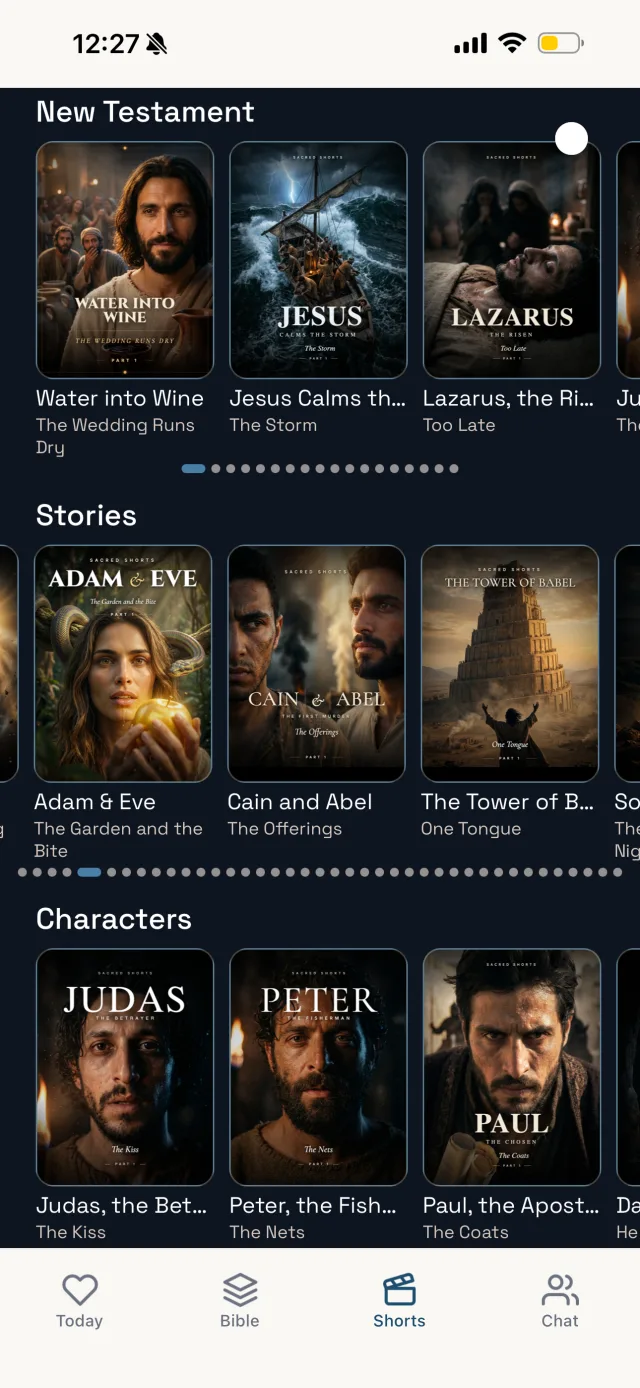
 Sacred Shorts
Watch the Bible like never before
Cinematic Bible stories, a complete Study Bible, daily devotionals, and guided prayer. New episodes every week.

Frequently asked questions
The Bible teaches that human life is inherently valuable because humans are made in the image of God (Genesis 1:27). This belief underscores the sanctity and dignity of every individual, regardless of status or circumstance. Scriptures like Psalm 139:13-16 emphasize that God is intimately involved in the formation of each person, further affirming life's sacredness and worth from conception.
The Bible generally condemns the taking of innocent life, as reflected in the commandment "You shall not murder" (Exodus 20:13). This principle highlights a profound respect for life. However, the Bible also discusses contexts like warfare and capital punishment, where taking a life may be permissible under specific circumstances, urging careful consideration of justice, mercy, and the protection of society.
The Bible provides principles for navigating ethical decisions about life and death, emphasizing love, compassion, and wisdom. For instance, Jesus' teaching to "love your neighbor as yourself" (Mark 12:31) guides actions towards preserving life and alleviating suffering. Additionally, [prayer and seeking counsel from spiritual leaders](/blog/how-to-pray-when-you-dont-know-what-to-say) are encouraged to discern God's will in complex ethical dilemmas, ensuring decisions align with biblical values.