Quick Answer
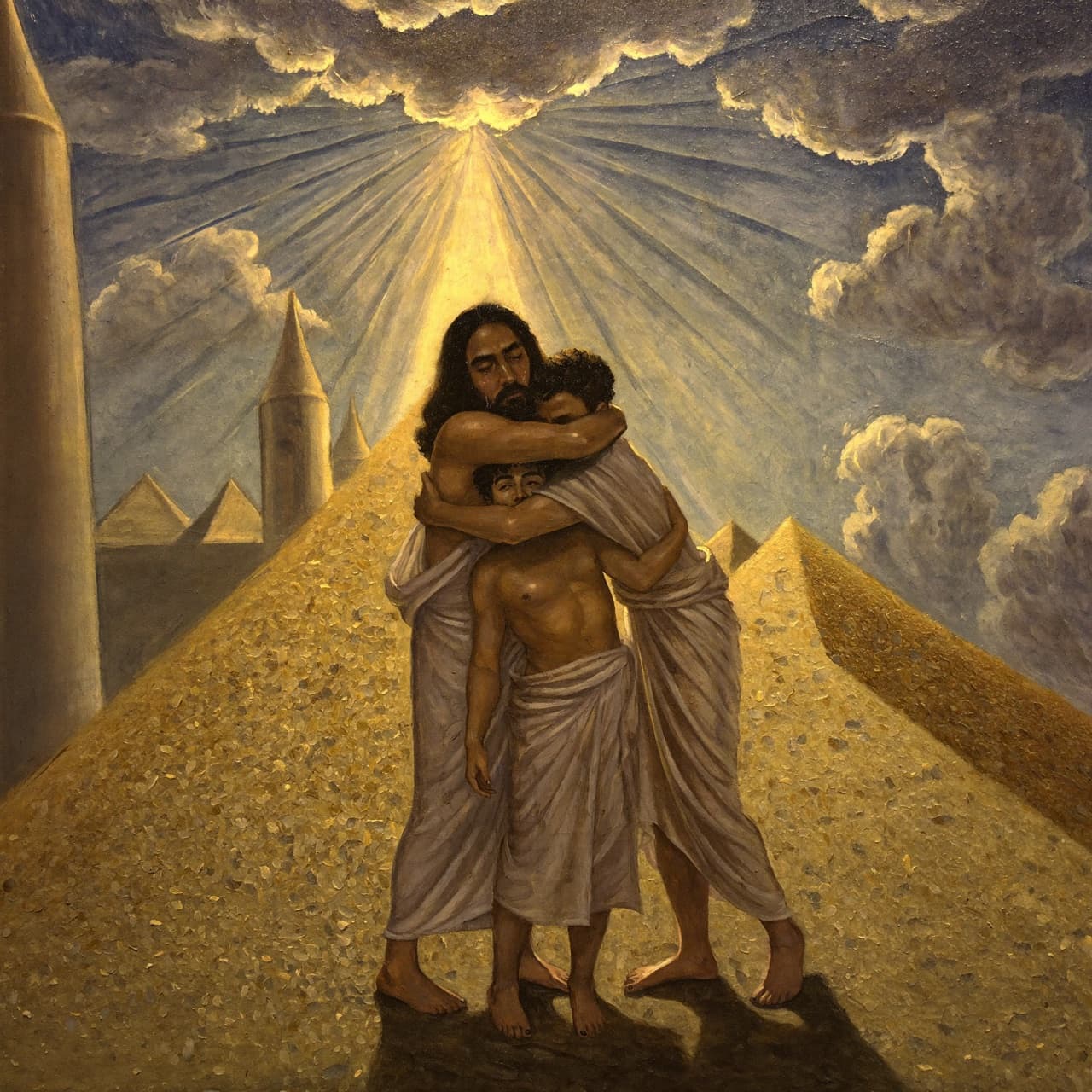
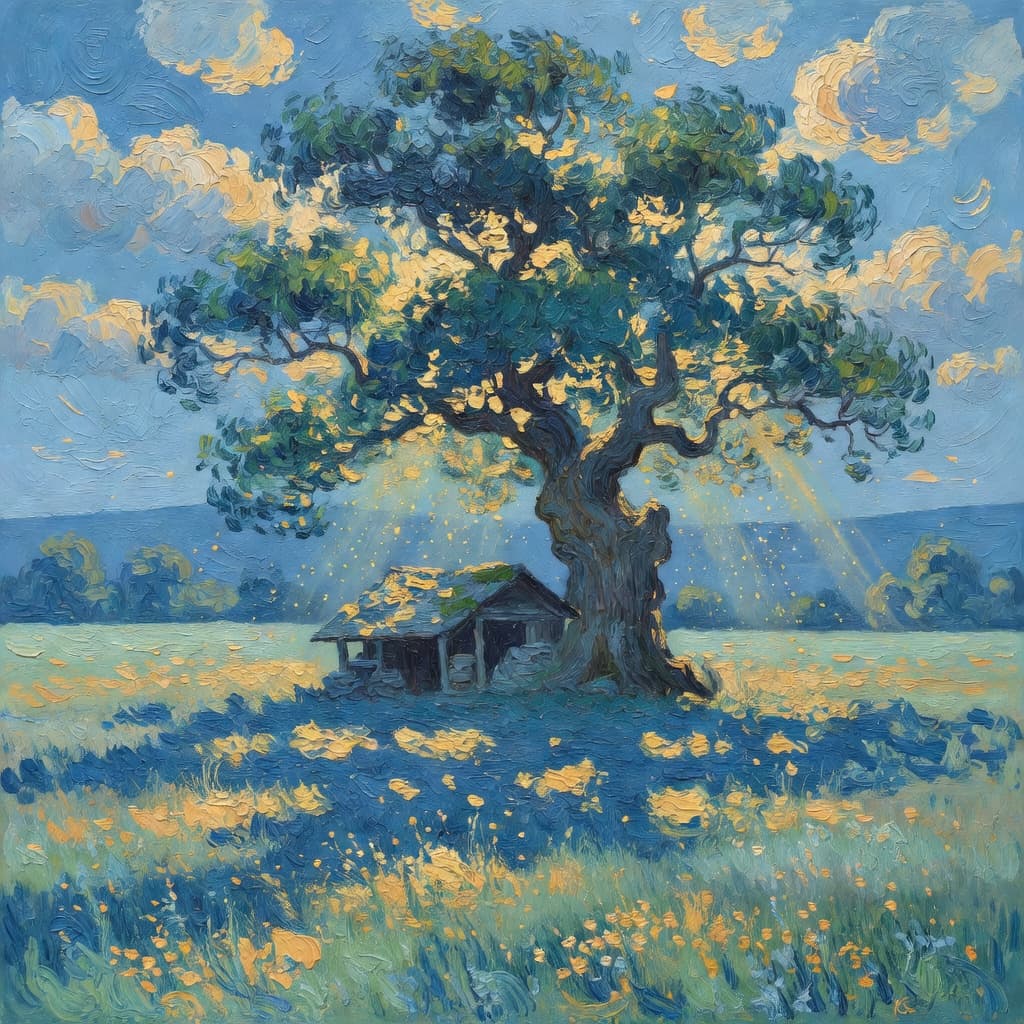
Psalm 91:1-2 emphasizes God's protection and refuge. It depicts God as a shelter and fortress, encouraging believers to trust in His ultimate safety and care in their lives.
The Full Verse
NIV:
ESV:
"He who dwells in the shelter of the Most High will abide in the shadow of the Almighty. I will say to the LORD, 'My refuge and my fortress, my God, in whom I trust.'"
KJV:
"He that dwelleth in the secret place of the most High shall abide under the shadow of the Almighty. I will say of the LORD, He is my refuge and my fortress: my God; in him will I trust."
Historical Context
Psalm 91 is traditionally attributed to either Moses or David, though its exact authorship remains uncertain. It was likely composed during a time when Israel faced significant threats, such as plagues or enemies, necessitating divine protection. The setting may be linked to the wilderness period of Israel's journey from Egypt to the Promised Land, a time characterized by reliance on God's provision and protection. The psalm was used in worship and personal prayer as a reassurance of God's steadfast care and presence. It was a source of comfort for those seeking refuge from the adversities of life in the ancient Near East.
What Does Psalm 91:1-2 Mean?
The opening verses of Psalm 91 introduce the themes of divine protection and trust. The Hebrew word for "dwells" (יָשַׁב, yashab) implies a permanent residence, suggesting a continual relationship with God. The "shelter of the Most High" and the "shadow of the Almighty" are metaphoric expressions of God's protective presence. The term "Most High" (עֶלְיוֹן, Elyon) underscores God's supreme authority, while "Almighty" (שַׁדַּי, Shaddai) highlights His power. These verses reassure believers that they can find rest and security under God's care. The phrase "my refuge and my fortress" portrays God as a safe haven against life's storms and adversities, reinforcing the idea that trust in God offers stability and peace. This passage suggests that a relationship with God provides not only spiritual shelter but also a sense of profound safety and assurance in His sovereignty.

The Bible has never felt like this
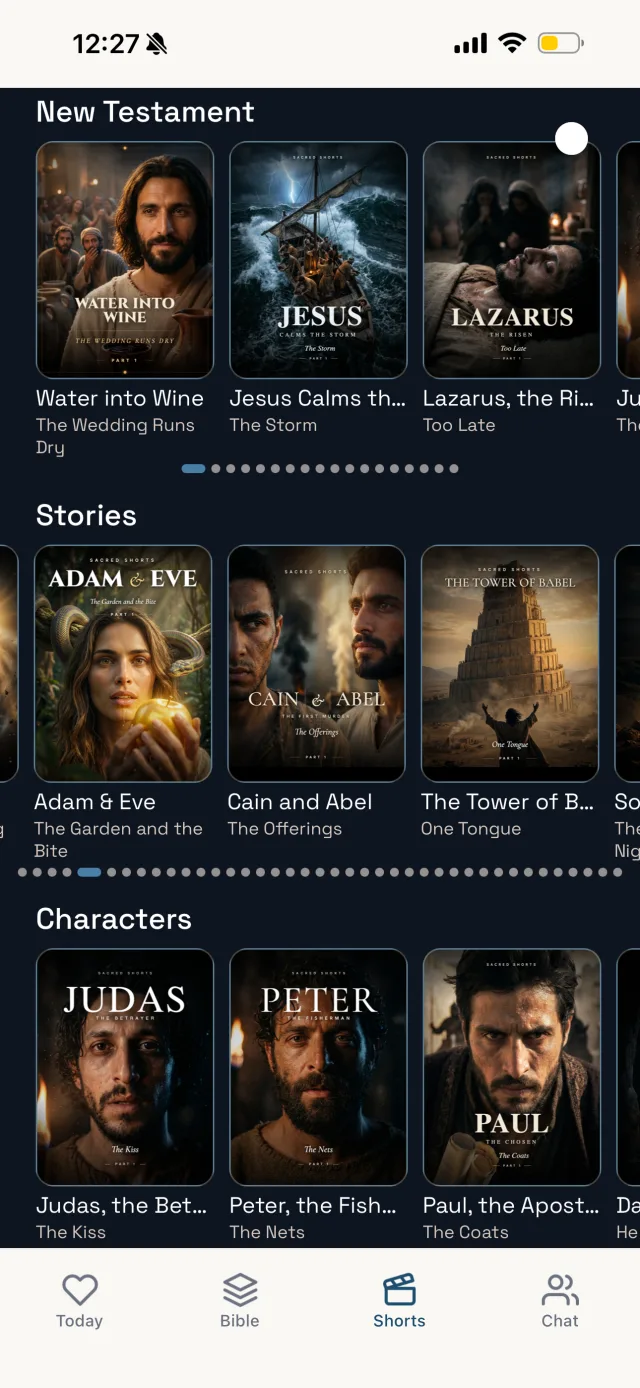
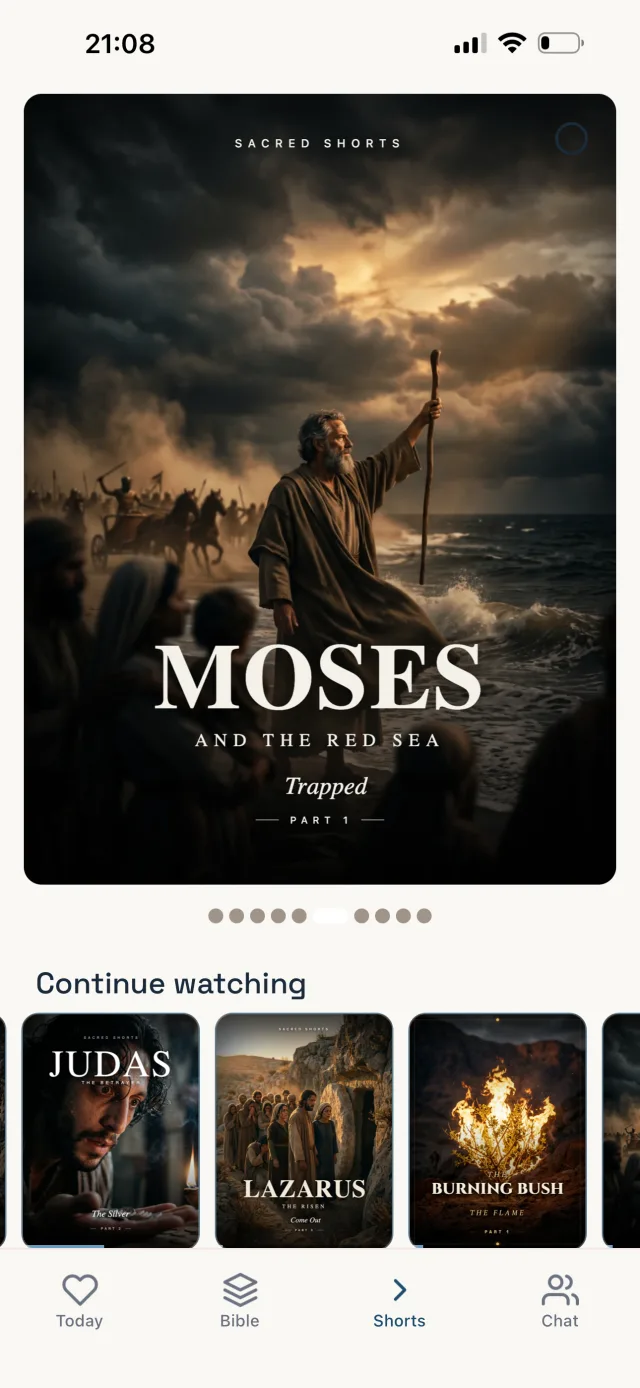
Watch this story come to life as a cinematic series in Sacred.
4.8on the App Store
How to Apply Psalm 91:1-2 in Your Life
Applying Psalm 91:1-2 involves cultivating a trust-based relationship with God. In today's world, where uncertainties abound, these verses encourage believers to find solace in God's presence. Start by setting aside time daily to dwell in God's "shelter" through prayer and meditation, inviting His peace into your heart, as suggested in How to Pray When You Don't Know What to Say. Trusting God as your "refuge and fortress" means actively relying on Him during times of stress and uncertainty, as discussed in How to Overcome Spiritual Dryness. This can be as simple as reciting these verses when you feel overwhelmed, reminding yourself of His protection and love. By engaging with resources like the Sacred app, you can deepen your understanding and connection with Scripture, fostering a more profound sense of security in your daily walk with God.
Related Verses
Psalm 46:1 (NIV): "God is our refuge and strength, an ever-present help in trouble." — This verse reinforces God as a constant source of help and protection.
Proverbs 18:10 (NIV): "The name of the LORD is a fortified tower; the righteous run to it and are safe." — It highlights the safety found in the Lord's presence.
Isaiah 41:10 (NIV): "So do not fear, for I am with you; do not be dismayed, for I am your God." — This verse assures believers of God's comforting presence and support, further explored in What Does Isaiah 41:10 Mean?.
Matthew 11:28 (NIV): "Come to me, all you who are weary and burdened, and I will give you rest." — Jesus invites us to find rest in Him, echoing the themes of refuge and peace.
In times of uncertainty, turning to Scripture can provide immense comfort and guidance. Psalm 91:1-2 reminds us of the peace found in God's protection. As you reflect on these promises, consider exploring more through the Sacred app, where you can deepen your spiritual journey and find solace in the Word of God.
 Sacred Shorts
Watch the Bible like never before
Cinematic Bible stories, a complete Study Bible, daily devotionals, and guided prayer. New episodes every week.
Frequently asked questions
The main message is about finding protection and refuge in God, emphasizing His role as a shelter and fortress for believers.
The authorship of Psalm 91 is uncertain, but it is traditionally attributed to Moses or David.
By seeking God's presence in daily moments, trusting in His protection, and finding peace in His promises.