John 1:1 introduces us to the profound truth of the Word's divine nature and eternal existence. It reveals that Jesus, referred to as the Word, was both with God and was God from the beginning, emphasizing His integral role in creation and His divine identity.
The Full Verse
In the New International Version (NIV), John 1:1 reads: "In the beginning was the Word, and the Word was with God, and the Word was God."
For comparison, the New Living Translation (NLT) presents it as: "In the beginning the Word already existed. The Word was with God, and the Word was God."
Historical Context
The Gospel of John was penned by the Apostle John, one of Jesus' closest disciples. Written between 85-95 AD, it addresses both Jewish and Gentile audiences, aiming to affirm the divine nature of Christ. During this period, the early church faced doctrinal challenges, including Gnostic beliefs that questioned Jesus' divinity. John wrote to provide clarity and assurance about Jesus' true identity as the Son of God. His gospel was intended to strengthen the faith of believers and offer a theological foundation for understanding Jesus as both fully divine and fully human.
What Does This Verse Mean?
John 1:1 is rich with theological significance. The term "Word" is translated from the Greek "Logos", a concept that was familiar to both Jewish and Greek audiences. For Jews, "Logos" would resonate with the "Word of God" in creation and revelation, as seen in Genesis 1. For Greeks, "Logos" represented reason or the divine principle that orders the universe. By using "Logos," John communicates that Jesus is the ultimate revelation of God, embodying divine wisdom and authority.
The phrase "in the beginning" echoes Genesis 1:1, establishing that the Word existed before creation. This pre-existence underscores the eternal nature of Jesus, affirming His divinity. The verse also highlights the relationship between Jesus and God the Father, as He was "with God" and "was God," indicating distinct personhood yet complete unity in essence.
How to Apply John 1:1 in Your Life
Understanding John 1:1 can profoundly impact our faith and daily life. Recognizing Jesus as the eternal Word encourages us to deepen our relationship with Him, trusting in His divine authority and guidance. This verse invites us to see Jesus as central to our existence and the source of spiritual life.
Applying this knowledge means embracing Jesus' teachings as foundational for decision-making and personal growth. As we reflect on His divine nature, we can cultivate a sense of wonder and gratitude for the ways He reveals God's love and truth to us. Engaging with resources like Sacred can further enrich our understanding and help integrate these truths into our daily routines.

The Bible has never felt like this
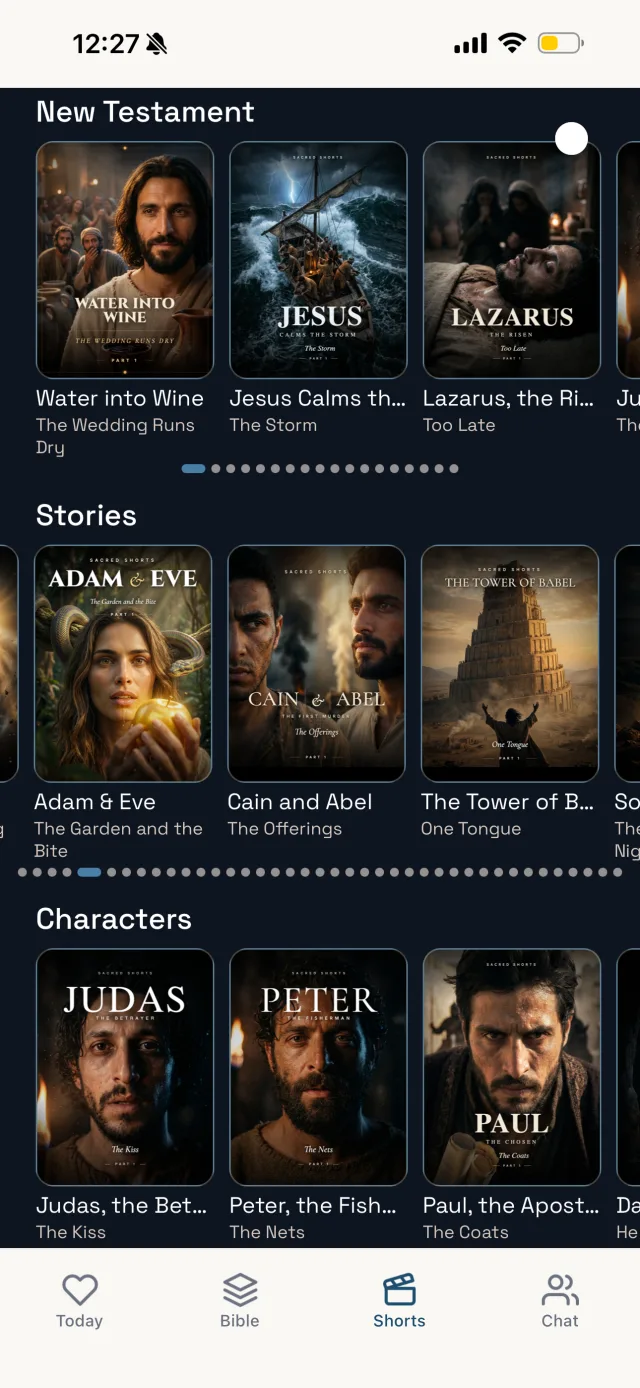
Watch this story come to life as a cinematic series in Sacred.
4.8on the App Store
Related Verses
-
Genesis 1:1 - "In the beginning God created the heavens and the earth." This verse parallels John 1:1, emphasizing the role of the divine Word in creation and establishing the foundation of God's eternal nature.
-
Colossians 1:16-17 - "For in him all things were created: things in heaven and on earth, visible and invisible... He is before all things, and in him all things hold together." These verses reinforce Jesus' preeminence and sustaining power over creation.
-
Hebrews 1:3 - "The Son is the radiance of God’s glory and the exact representation of his being, sustaining all things by his powerful word." This passage highlights Christ's divine nature and His role in upholding the universe.
-
Revelation 19:13 - "He is dressed in a robe dipped in blood, and his name is the Word of God." This verse in Revelation affirms Jesus' identity as the Word, linking His divine nature with His work of redemption.
Frequently Asked Questions
What is the significance of "the Word" in John 1:1?
"The Word" (Logos) signifies Jesus as the divine reason and creative order behind the universe. It highlights His role in creation and His divine nature, emphasizing that He is both distinct from and one with God.
How does John 1:1 relate to the Trinity?
John 1:1 supports the concept of the Trinity by showing the relationship between Jesus (the Word) and God. It suggests a unity of essence but distinction of persons, foundational for understanding the Trinity.
Why is the pre-existence of Jesus important?
The pre-existence of Jesus affirms His divinity and eternal nature. It underscores that He is not a created being but rather the eternal Son of God, integral to the Godhead and central to the Christian faith.
In conclusion, John 1:1 lays a crucial foundation for understanding the divine nature of Christ as integral to the Christian faith. By exploring the depth of this verse, believers can gain a richer appreciation for Jesus' eternal presence and His pivotal role in creation and salvation. For those seeking to delve deeper into biblical truths, the Sacred app offers valuable resources to enhance personal study and spiritual growth.
 Sacred Shorts
Watch the Bible like never before
Cinematic Bible stories, a complete Study Bible, daily devotionals, and guided prayer. New episodes every week.