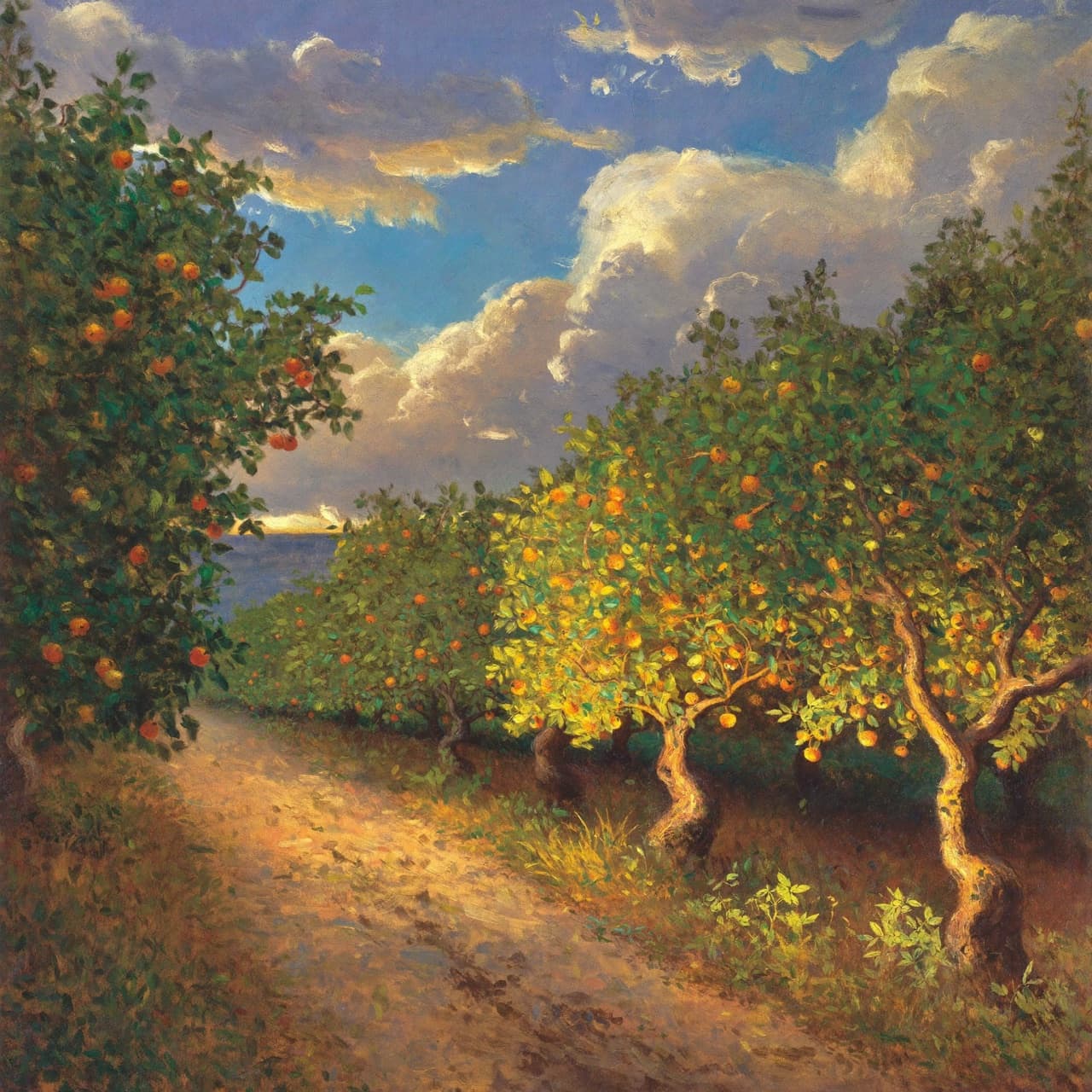
Galatians 5:22-23 serves as a spiritual guidepost, outlining the characteristics of a life transformed by the Holy Spirit. These verses list the "fruit of the Spirit," virtues that naturally emerge when we walk in step with God’s Spirit, reflecting His love and character to the world.
The Full Verse
In the New International Version (NIV), Galatians 5:22-23 (NIV) reads: “But the fruit of the Spirit is love, joy, peace, forbearance, kindness, goodness, faithfulness, gentleness and self-control. Against such things there is no law.” “But the fruit of the Spirit is love, joy, peace, forbearance, kindness, goodness, faithfulness, gentleness and self-control. Against such things there is no law.”
For comparison, here is the same passage from the English Standard Version (ESV):
“But the fruit of the Spirit is love, joy, peace, patience, kindness, goodness, faithfulness, gentleness, self-control; against such things there is no law.”
The slight variation in word choices, such as “forbearance” (NIV) versus “patience” (ESV), highlights how translations can bring subtle differences in interpretation.
Historical Context
Galatians was written by the Apostle Paul, around 49-55 AD, to the churches in Galatia, a region in modern-day Turkey. Paul’s primary purpose in writing this letter was to address the theological confusion caused by false teachers who insisted that non-Jewish Christians must adhere to Jewish laws, such as circumcision, to be saved. Paul emphasized faith in Jesus Christ as the sole requirement for salvation and urged the Galatians to live by the Spirit rather than by the flesh or the law.
The "fruit of the Spirit" is part of Paul's broader teaching contrasting the works of the flesh (sinful human nature) with the Spirit-filled life. This passage reminds believers that genuine transformation comes not through external rules but through the inward work of the Holy Spirit.
What Does This Verse Mean?
To understand Galatians 5:22-23 more deeply, it’s helpful to explore some key terms from the original Greek text:
- Fruit (karpos): This term symbolizes the natural outcome or product of something. Just as a tree produces fruit according to its nature, a life rooted in the Spirit naturally bears spiritual virtues.
- Love (agape): This Greek word signifies selfless, unconditional love. It’s the foundation of all other virtues listed and reflects God’s love for humanity.
- Peace (eirēnē): This word encompasses both inner tranquility and harmony in relationships, showing how the Spirit brings wholeness to every aspect of life.
- Self-control (enkrateia): This refers to mastery over one’s desires and impulses, a discipline that comes from the Spirit’s guidance.
Paul’s use of the singular "fruit," rather than "fruits," is significant. The virtues listed are not separate qualities to pick and choose from, but collectively describe the character of a Spirit-led life. Together, they reflect the nature of Jesus Christ and stand in stark contrast to the destructive tendencies of the flesh.

The Bible has never felt like this
Watch this story come to life as a cinematic series in Sacred.
4.8on the App Store
How to Apply Galatians 5:22-23 in Your Life
Living out the fruit of the Spirit begins with a daily commitment to walk with God. This doesn’t happen through sheer willpower but by allowing the Holy Spirit to work in and through us. If you’re wondering how to cultivate these virtues in your life, here are some practical steps, including how to pray when you don't know what to say:
-
Stay Connected to God: Just as a branch must remain connected to the vine to bear fruit, we must remain connected to God through prayer, worship, and Bible study. Apps like Sacred can help you create a consistent spiritual rhythm by providing daily devotionals, Scripture reading plans, and prayer prompts.
-
Practice Small Acts of Obedience: Growth in the Spirit often happens in the small, everyday moments. For example, practicing patience in traffic or showing kindness to a difficult coworker are ways to embody the fruit of the Spirit.
-
Reflect and Pray: At the end of each day, reflect on how you exhibited (or struggled with) the fruit of the Spirit. Ask God to help you grow in specific areas where you feel weak.
-
Live in Community: Spiritual growth flourishes in the context of community. Surround yourself with fellow believers who encourage and challenge you to live out these virtues.
By intentionally seeking God’s presence and inviting the Holy Spirit to guide our thoughts, words, and actions, we can embody the fruit of the Spirit and become a blessing to those around us, aligning with what the Bible says about God's will. If you're looking for a way to engage with Scripture daily, Sacred offers personalized verses and guided prayers to deepen your faith journey.
Related Verses
-
John 15:5 (NIV): “I am the vine; you are the branches. If you remain in me and I in you, you will bear much fruit; apart from me you can do nothing.”
This verse underscores the importance of staying connected to Jesus to produce spiritual fruit. -
Ephesians 5:9 (NIV): “For the fruit of the light consists in all goodness, righteousness and truth.”
Here, Paul links the fruit of the Spirit with living as children of light, reflecting God’s goodness. -
Matthew 7:16 (NIV): “By their fruit you will recognize them. Do people pick grapes from thornbushes, or figs from thistles?”
Jesus emphasizes that a person’s actions reveal their true character, just as fruit reveals the nature of a tree. -
Colossians 3:12 (NIV): “Therefore, as God’s chosen people, holy and dearly loved, clothe yourselves with compassion, kindness, humility, gentleness and patience.”
This verse parallels the fruit of the Spirit, encouraging believers to embody Christlike virtues.
Frequently Asked Questions
Q: Why is the "fruit" of the Spirit singular and not plural?
A: Paul uses "fruit" in the singular to emphasize that these virtues are not separate qualities but a unified whole. Together, they represent the character of a Spirit-filled life.
Q: How can I tell if I’m bearing the fruit of the Spirit?
A: Examine your actions, attitudes, and relationships. The fruit of the Spirit manifests in how you treat others and respond to challenges. If you see growth in love, patience, and kindness, it’s a sign of the Spirit’s work in your life.
Q: Can non-Christians exhibit these qualities?
A: While anyone can display virtues like kindness or patience, the "fruit of the Spirit" specifically refers to qualities produced by the Holy Spirit in the lives of believers, rooted in a relationship with Christ.
By meditating on Galatians 5:22-23 and seeking to live by the Spirit, we can experience true transformation and reflect God’s love in a world that desperately needs it.
 Sacred Shorts
Watch the Bible like never before
Cinematic Bible stories, a complete Study Bible, daily devotionals, and guided prayer. New episodes every week.



Frequently asked questions
This article provides biblical insights with historical context, practical applications, and relevant Scripture passages to guide your daily life.
Begin by reflecting on one passage each day and consider how its message relates to your current circumstances.
All English Scripture citations use the NIV (New International Version).