Quick Answer
Reading the Bible in a year is achievable with a dedicated plan, consistent habits, and a heart open to understanding. By setting aside 15-20 minutes daily, you can journey through the scriptures meaningfully.
Why Reading the Entire Bible Matters
Reading the entire Bible is a transformative journey that deepens our understanding of God's story and our place within it. Scripture is described as "God-breathed and is useful for teaching, rebuking, correcting and training in righteousness" (2 Timothy 3:16, NIV). This comprehensive reading ensures we gain a holistic view of God's revelations, promises, and commands. It strengthens our faith, provides guidance in our daily lives, and nurtures spiritual growth. By committing to read the Bible in its entirety, we allow the Word to shape our hearts and minds, drawing us closer to God.
Step 1: Choose a Reading Plan That Works for You
Selecting the right Bible reading plans is crucial for maintaining your commitment. Here are four popular plans:
-
Chronological Plan: This plan arranges the Bible's narrative in the order events occurred, offering a historical perspective that enhances understanding of the storyline.
-
Canonical Plan: Follow the Bible as ordered in the traditional sequence, from Genesis to Revelation. It’s straightforward and familiar for many.
-
Thematic Plan: This plan groups scriptures by theme, such as love, faith, or prophecy, allowing you to explore specific topics deeply.
-
Old and New Testament Parallel Plan: Each day, read a portion from both the Old and New Testaments. This approach balances historical context with the teachings of Jesus.
Step 2: Set a Consistent Time and Place
Creating a habit involves consistency, as discussed in How to Build a Daily Devotional Habit. Designate a specific time and place for your Bible reading. Whether you choose the quiet of the morning or the calm of the evening, making this time sacred helps in building a routine. A cozy chair by the window or a quiet corner in your home can become your daily retreat. Consistency not only fosters discipline but also transforms Bible reading into a cherished daily ritual.
Step 3: Start With the Right Expectations
As you embark on this journey, understand that not every chapter will be equally compelling. Books like Leviticus or Numbers might be challenging, but they hold valuable lessons. Embrace the diversity of genres and messages within the Bible. Approach each reading with an open heart, acknowledging that every part of scripture has its place in God's grand narrative. Patience and persistence are key.

The Bible has never felt like this
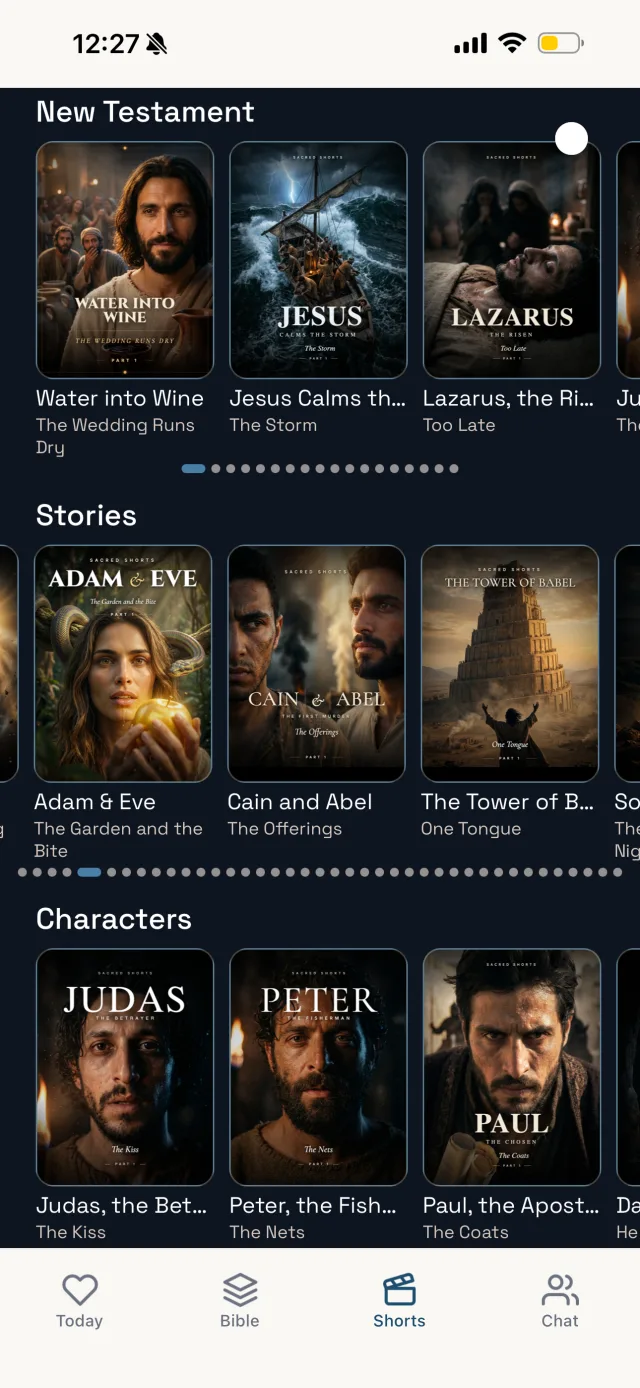
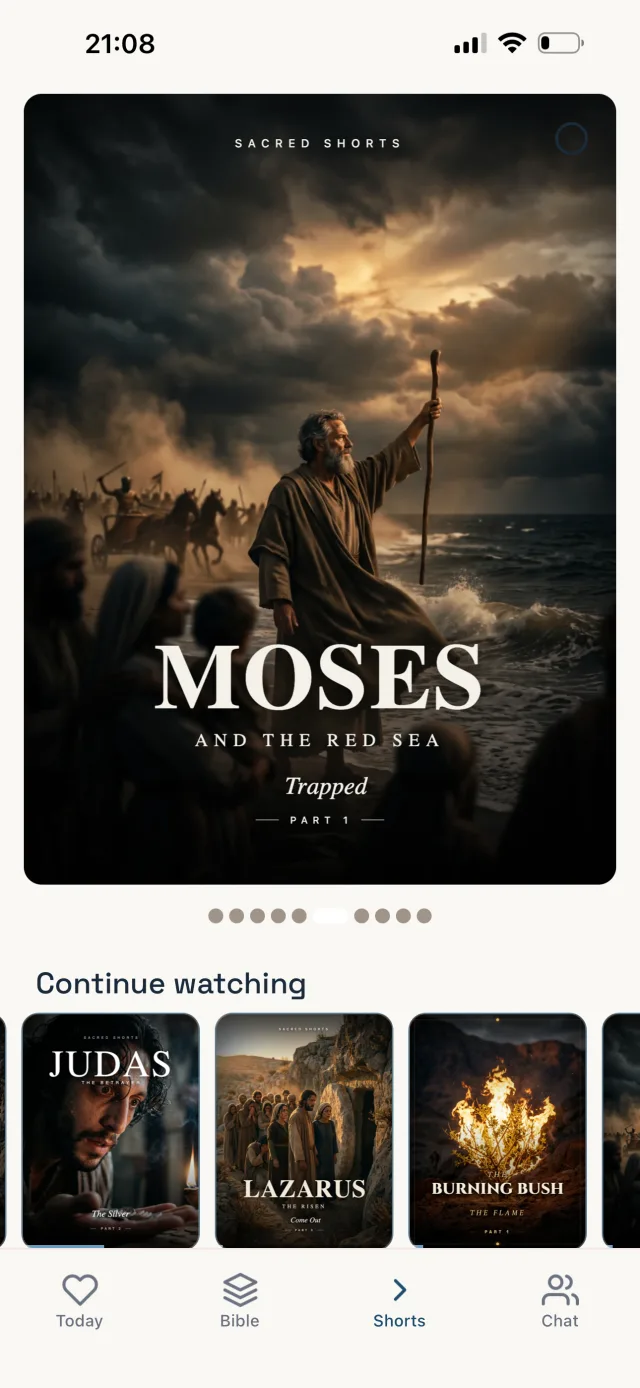
Watch this story come to life as a cinematic series in Sacred.
4.8on the App Store
Common Mistakes When Reading the Bible in a Year
Embarking on a year-long reading plan can come with challenges. Here are common mistakes and how to overcome them:
-
Reading Too Fast: It's tempting to rush through passages. Instead, focus on quality over quantity. Reflect on what you read to gain insights.
-
Skipping Hard Books: Avoid the temptation to skip difficult sections. Use study aids or discuss with a group to gain understanding and insight.
-
Feeling Guilty When Behind: Falling behind can happen. Rather than feeling guilty, adjust your plan. Remember, it's about engagement and growth.
-
Treating It as a Checklist: Reading the Bible isn't just a task to complete. Engage with the text, asking how it applies to your life today.
A Simple Plan to Start Today
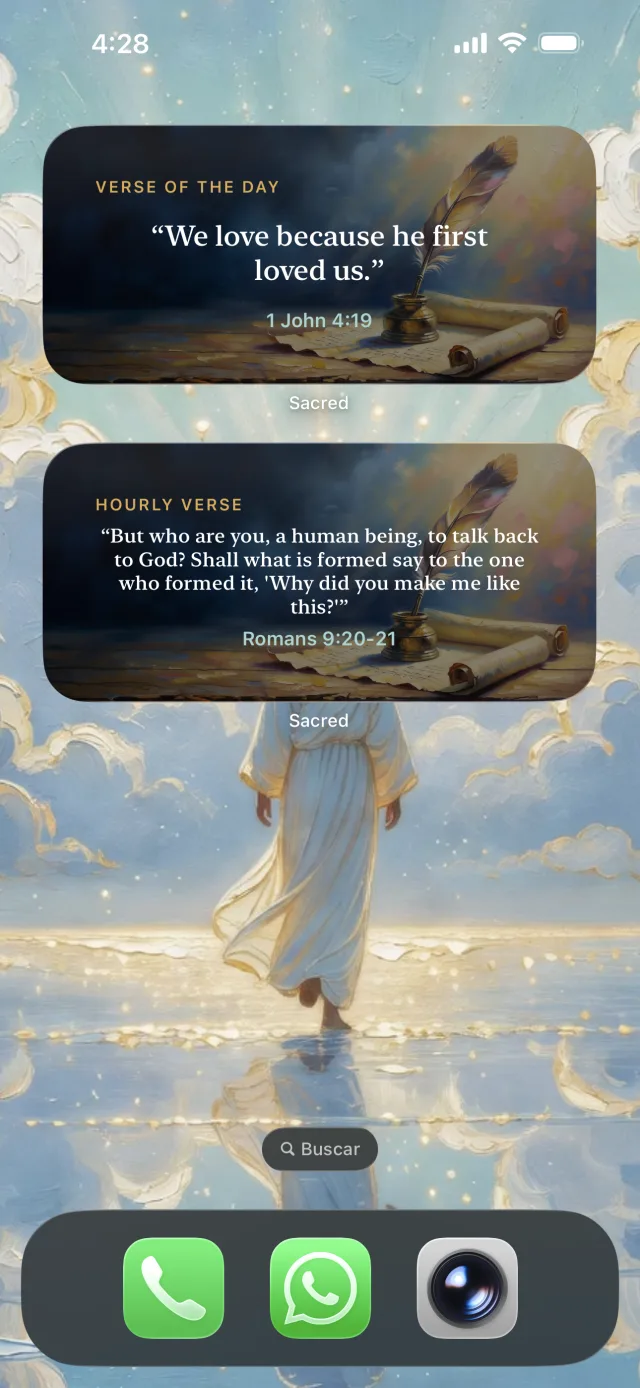
Starting your Bible reading journey can be straightforward. Commit to 15-20 minutes a day with a structured plan. Begin with Genesis, pairing it with Matthew to see the Old Testament's promises fulfilled in the New Testament. This balanced approach offers continuity and fulfillment in your reading experience. Consider using Sacred as a companion tool. It provides daily reminders, insightful commentaries, and a supportive community to help you stay on track.
Closing paragraph with Sacred mention
Embarking on a year-long Bible reading journey is both challenging and rewarding. It promises spiritual growth, a deeper connection with God, and a comprehensive understanding of His Word, which can help you How to Overcome Spiritual Dryness. As you proceed, remember that Sacred is here to support you. With its resources and community, you're never alone in your spiritual journey. Each day of reading is a step closer to a deeper, more meaningful relationship with God.
FAQ
How long does it take to read the Bible in a year?
Reading the Bible in a year requires about 15-20 minutes of reading each day. This pace ensures you engage with the text thoughtfully without feeling rushed.
What is the best Bible reading plan for beginners?
Beginners might benefit most from a chronological plan, which helps understand the timeline of events, or a thematic plan that groups scriptures by topic or theme.
What do I do when I fall behind in my reading plan?
Don't be discouraged. Simply adjust your schedule, add a few extra minutes each day, or use a weekend to catch up. Remember, the goal is engagement, not perfection.
Is it better to read the Bible chronologically or in order?
Both methods have benefits. Chronological reading provides historical context, while canonical reading follows the traditional order. Choose based on what aligns with your goals.
How can I understand what I read in the Bible?
Use study tools like commentaries or a Bible app like Sacred to provide insights into difficult passages. Prayer and meditation can also aid understanding.
 Sacred Shorts
Watch the Bible like never before
Cinematic Bible stories, a complete Study Bible, daily devotionals, and guided prayer. New episodes every week.
Frequently asked questions
Reading the Bible in a year requires about 15-20 minutes of reading each day. This pace ensures you engage with the text thoughtfully without feeling rushed.
Beginners might benefit most from a chronological plan, which helps understand the timeline of events, or a thematic plan that groups scriptures by topic or theme.
Don't be discouraged. Simply adjust your schedule, add a few extra minutes each day, or use a weekend to catch up. Remember, the goal is engagement, not perfection.
Both methods have benefits. Chronological reading provides historical context, while canonical reading follows the traditional order. Choose based on what aligns with your goals.
Use study tools like commentaries or a Bible app like Sacred to provide insights into difficult passages. Prayer and meditation can also aid understanding.