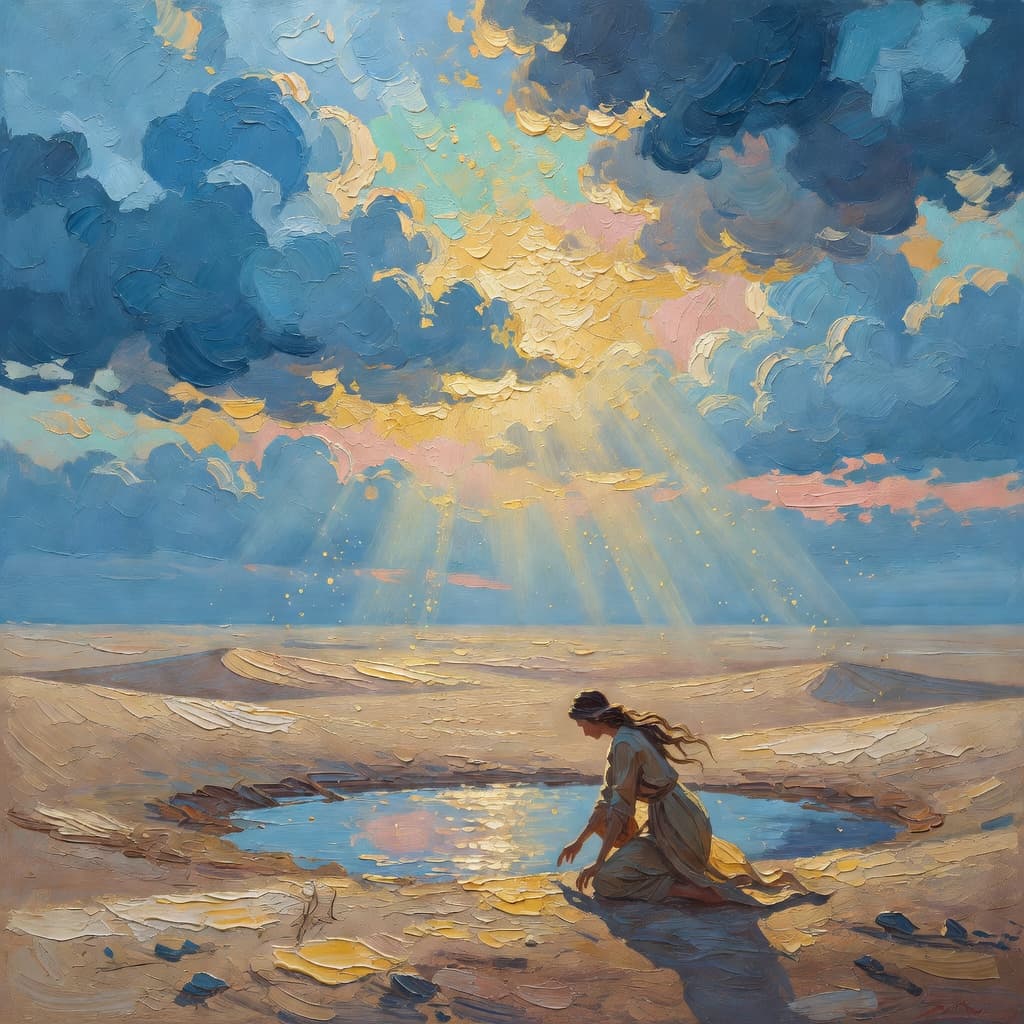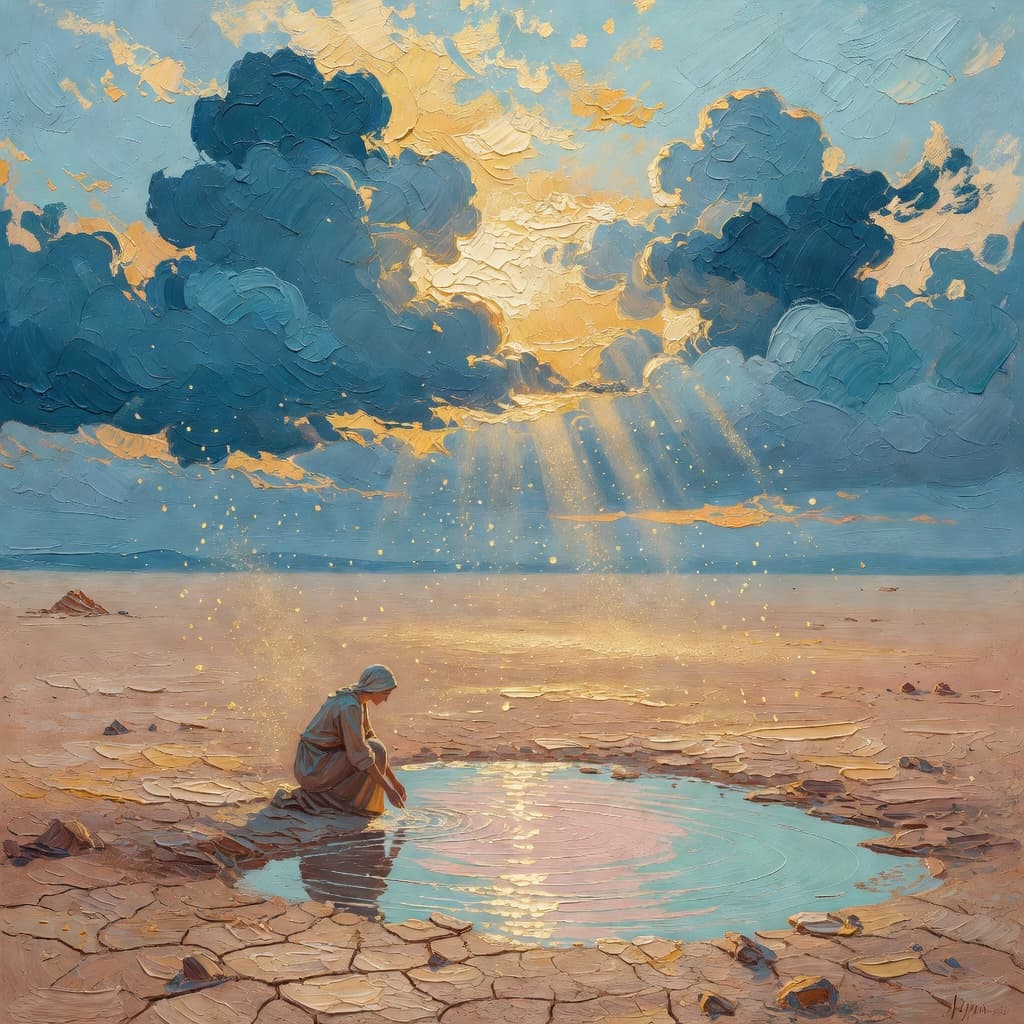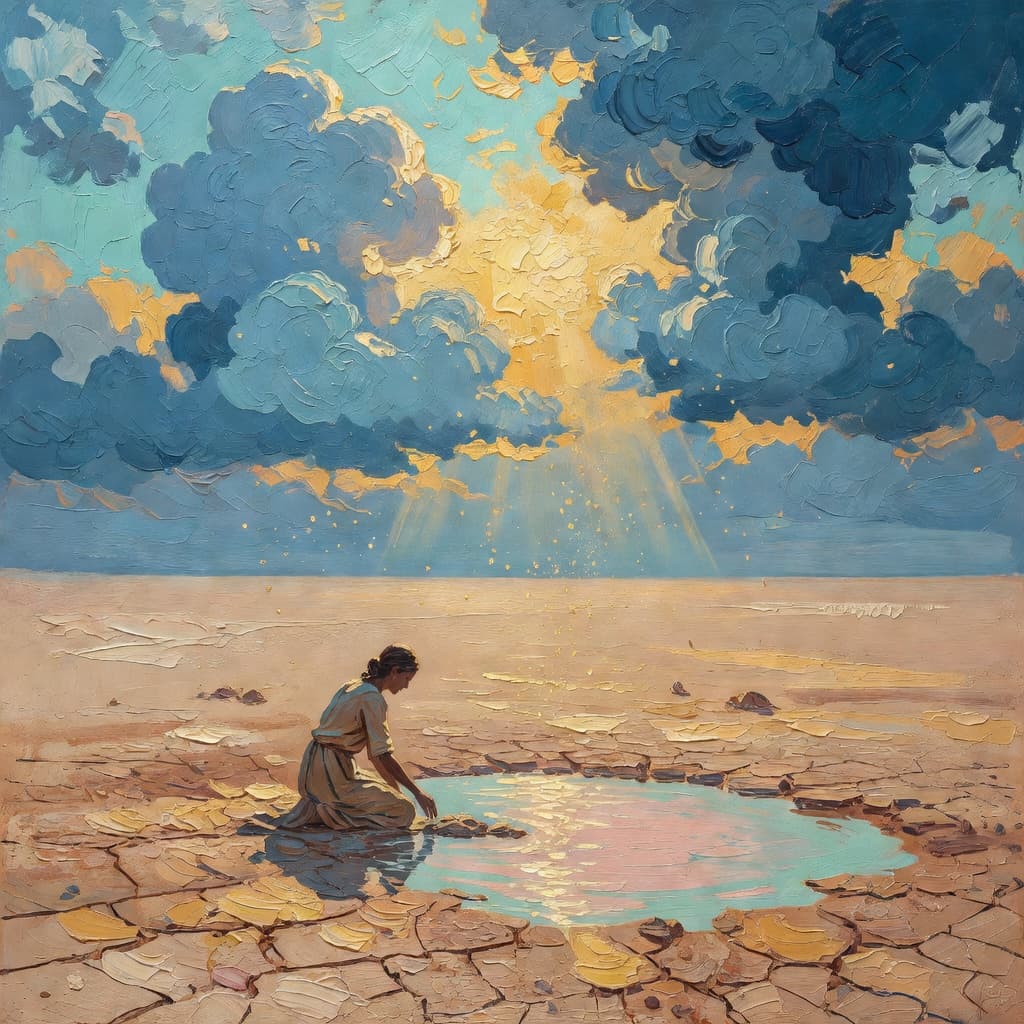
Rahab is a significant figure in the Bible, known for her faith and courageous actions during the conquest of Jericho. A Canaanite prostitute, she played a pivotal role in the Israelites’ victory by hiding their spies and acknowledging the power of God. Her story, found in Joshua 2 and Joshua 6, underscores themes of faith, redemption, and divine providence.
Story and historical context
Rahab's story is set in the ancient city of Jericho, a fortified city in Canaan. This period marks a crucial moment in Israelite history as they prepare to enter the Promised Land under Joshua's leadership. Jericho was the first city the Israelites encountered after crossing the Jordan River, making it a strategic military target.
The city of Jericho was known for its towering walls and strong defenses, representing a significant challenge to the Israelites. The people of Jericho were Canaanites, and their practices were often in stark contrast to the laws given to the Israelites. In this context, Rahab's actions stand out as a remarkable instance of faith from an unlikely source. Despite her background and occupation, Rahab recognized the God of Israel as the true God and chose to align herself with His people, which ultimately led to her becoming a part of Israel's history and lineage.
Key moments in the story of Rahab
The Spies’ Arrival
Rahab's story begins in Joshua 2:1 when Joshua sends two spies to scout Jericho. The spies enter the city and come to Rahab's house, a strategic location for both its position on the city wall and Rahab's knowledge of the city's happenings. Rahab's choice to hide the spies indicates her willingness to defy her own people to assist the Israelites, acknowledging their God’s power and authority.
A Declaration of Faith
In Joshua 2:9-11 (NIV), Rahab makes a profound declaration of faith. She tells the spies, "I know that the Lord has given you this land and that a great fear of you has fallen on us." Rahab recounts the fear that has spread among the Canaanites due to the Israelites' past victories, and she professes belief in the Lord, stating, "For the Lord your God is God in heaven above and on the earth below." This acknowledgment marks a turning point in her story, showcasing her faith despite her cultural and religious background.
The Scarlet Cord
Rahab’s agreement with the spies includes a plan for her family’s salvation, symbolized by a scarlet cord. As the spies prepare to leave, they instruct Rahab to tie a scarlet cord in her window as a sign for the Israelites to spare her household when they take the city (Joshua 2:18-21). This scarlet cord becomes a symbol of salvation and protection, reminiscent of the Passover lamb's blood that spared the Israelites in Egypt.
The Fall of Jericho
In Joshua 6, the Israelites march around Jericho for seven days, as instructed by God. On the seventh day, the city walls collapse, yet Rahab's house remains intact. Rahab and her family are spared because of her faith and the agreement she made with the spies. As promised, they are brought out safely, signifying the fulfillment of God's promise and the reward for Rahab's courageous faith.
Rahab’s Inclusion in Israel
Rahab’s story does not end with the fall of Jericho. She becomes an integral part of the Israelite community. According to Matthew 1:5, Rahab is included in the genealogy of Jesus Christ as the mother of Boaz, linking her directly to the lineage of King David and ultimately to Jesus Himself. Her inclusion highlights the far-reaching impact of her faith and the inclusivity of God's redemption plan.

The Bible has never felt like this
Watch this story come to life as a cinematic series in Sacred.
4.8on the App Store
Main lessons we can learn from Rahab
Rahab’s story offers several profound lessons for modern readers:
-
Faith Transcends Backgrounds: Rahab's faith in God transcended her previous life and cultural background. Her story reminds us that faith is accessible to all, regardless of past actions or societal status. For more on this topic, see Bible Verses About Faithfulness.
-
Courage and Risk in Faith: Rahab's decision to hide the spies and align herself with God's people required immense courage and risk. Her actions illustrate that true faith often involves stepping out in trust, even when it seems dangerous or uncertain, as discussed in Finding Courage Through Scripture.
-
The Power of Redemption: Rahab’s transformation from a Canaanite prostitute to a member of Israel’s community underscores the power of God's redemption. Her story encourages us to believe in the possibility of change and the beauty of new beginnings through faith, as explored in Theological Q&A about Rahab.
-
God’s Inclusive Plan: Rahab’s inclusion in the lineage of Jesus highlights God's inclusive plan for salvation. Her story serves as a powerful reminder that God’s love and grace extend to all people, regardless of their origins.
For more insights on biblical figures and their lessons, explore resources available on Sacred.
Key Bible verses about Rahab
-
Joshua 2:9-11 (NIV): "I know that the Lord has given you this land and that a great fear of you has fallen on us, so that all who live in this country are melting in fear because of you...for the Lord your God is God in heaven above and on the earth below."
-
Joshua 6:25 (NIV): "But Joshua spared Rahab the prostitute, with her family and all who belonged to her, because she hid the men Joshua had sent as spies to Jericho—and she lives among the Israelites to this day."
-
Hebrews 11:31 (NIV): "By faith the prostitute Rahab, because she welcomed the spies, was not killed with those who were disobedient."
-
James 2:25 (NIV): "In the same way, was not even Rahab the prostitute considered righteous for what she did when she gave lodging to the spies and sent them off in a different direction?"
FAQ
Who was Rahab in the Bible?
Rahab was a Canaanite prostitute living in Jericho who played a crucial role in the Israelite conquest of the city. Her faith and actions led to her and her family's salvation and she later became part of the lineage of Jesus Christ.
What is the significance of the scarlet cord in Rahab's story?
The scarlet cord symbolizes Rahab's faith and the promise of salvation. It served as a sign for the Israelites to spare her family during the conquest of Jericho, reminiscent of the Passover protection.
How is Rahab remembered in the New Testament?
Rahab is remembered as a woman of faith in the New Testament. She is mentioned in the "Hall of Faith" in Hebrews 11 and is cited by James as an example of faith in action.
Rahab’s story is a testament to the transformative power of faith and God's inclusive plan of redemption, reminding us that no one is beyond God's reach. To explore more biblical stories and their impact, check out the resources available on Sacred.
 Sacred Shorts
Watch the Bible like never before
Cinematic Bible stories, a complete Study Bible, daily devotionals, and guided prayer. New episodes every week.

Frequently asked questions
The story of Rahab shows how God works through real people, including their weaknesses, faith, failures, and obedience.
The main passages about Rahab appear in the relevant biblical narrative and are highlighted in this article.
The life of Rahab still matters because Scripture uses that story to teach faith, character, repentance, courage, and trust in God.