
Quick Answer
The Bible emphasizes love as the cornerstone of Christian faith, portraying it as patient, kind, and selfless. It instructs believers to love God, their neighbors, and even their enemies, highlighting love as the greatest virtue.
The Bible provides a comprehensive view of love, emphasizing its central role in the life of a believer. It teaches that love is patient, kind, and selfless, urging followers of Christ to love God, their neighbors, and even their enemies. Love is depicted as the greatest virtue, surpassing all others.
What does the Bible teach about love?
The Bible's teachings on love are profound and multifaceted, portraying it as the essence of God's nature and the foundation of Christian life. According to 1 John 4:8, "Whoever does not love does not know God, because God is love." This passage suggests that understanding and embodying love is crucial for a relationship with God. Love is portrayed not only as an emotion but as an action and commitment. The Bible instructs believers to demonstrate love through acts of kindness, patience, and forgiveness, reflecting the love of Christ. In 1 Corinthians 13:4-7, often referred to as the "Love Chapter," Paul describes love as the greatest of all spiritual gifts, emphasizing that without love, all other deeds are meaningless. This portrayal of love as selfless and enduring provides a blueprint for how Christians are to conduct their lives, echoing throughout the teachings of Jesus and the apostles.

The Bible has never felt like this
Watch this story come to life as a cinematic series in Sacred.
4.8on the App Store
Key verses about love
-
1 Corinthians 13:4-7 (NIV): "Love is patient, love is kind. It does not envy, it does not boast, it is not proud..."
Author: Paul the Apostle
Context: Written to the Corinthians to address issues in the church, emphasizing the importance of love over spiritual gifts.
Application: Use this passage as a guide for personal relationships, striving to embody these qualities in daily interactions. -
John 3:16 (NIV): "For God so loved the world that he gave his one and only Son, that whoever believes in him shall not perish but have eternal life."
Author: Apostle John
Context: Part of Jesus' conversation with Nicodemus, highlighting God's sacrificial love for humanity.
Application: Remember God’s love as the foundation of faith and motivation to love others sacrificially. -
1 John 4:19 (NIV): "We love because he first loved us."
Author: Apostle John
Context: Written to early Christians to reinforce that love originates from God’s love for us.
Application: Let God’s love inspire you to love others, following His example of initiating love. -
Matthew 22:37-39 (NIV): "Jesus replied: ‘Love the Lord your God with all your heart and with all your soul and with all your mind.’ This is the first and greatest commandment. And the second is like it: ‘Love your neighbor as yourself.’"
Author: Attributed to the Apostle Matthew
Context: Jesus summarizing the law to emphasize the importance of love in fulfilling God’s commandments.
Application: Prioritize love for God and others in all aspects of life, guiding decisions and actions. -
Romans 13:10 (NIV): "Love does no harm to a neighbor. Therefore love is the fulfillment of the law."
Author: Paul the Apostle
Context: Part of Paul's teachings to the Roman church on the practical implications of Christian love.
Application: Use love as a guiding principle to ensure actions are beneficial, not harmful.
How to apply these teachings today
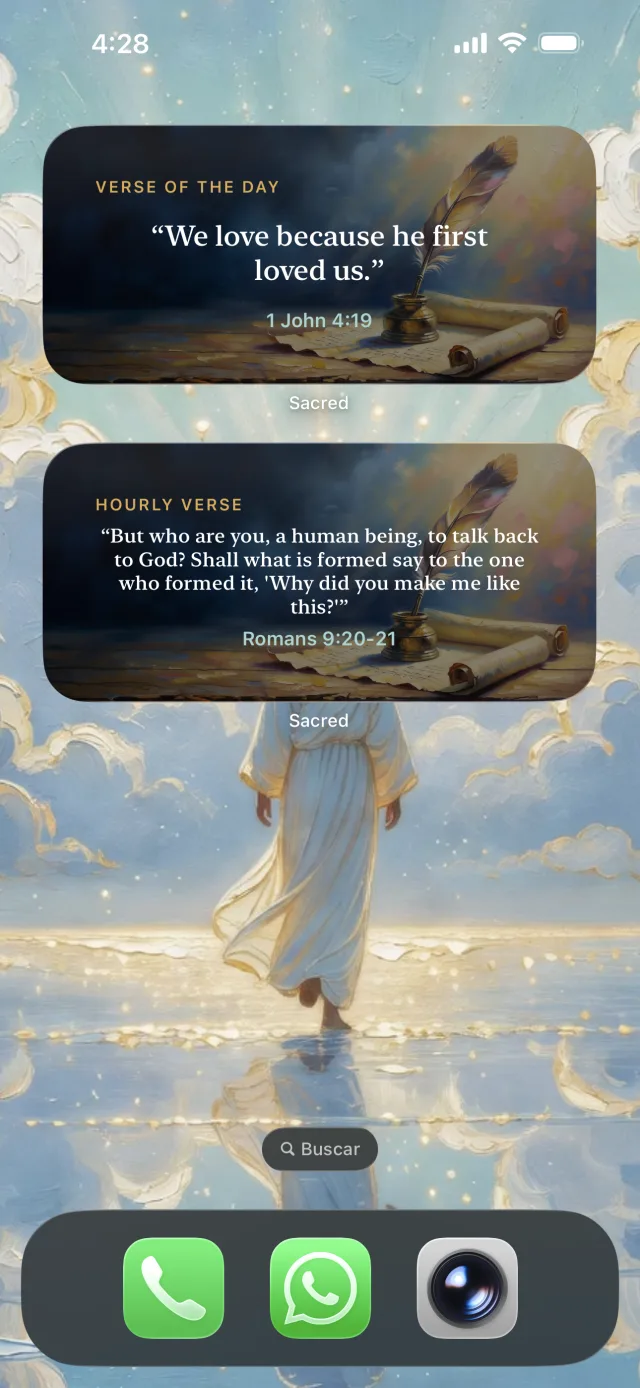
Applying Biblical teachings on love in today's world involves embracing love as an active choice rather than a mere feeling. This means striving to treat others with kindness and compassion, being patient in challenging situations, and forgiving those who have wronged us. In a world where divisiveness can often overshadow unity, these teachings challenge us to bridge gaps through genuine care and understanding. One practical way to cultivate a life centered on love is through regular reflection and prayer, seeking guidance on how to embody these virtues daily. The Sacred app can support this journey by offering personalized Bible verses and guided prayers that focus on love, helping you integrate Biblical principles into everyday life. Sacred
 Sacred Shorts
Watch the Bible like never before
Cinematic Bible stories, a complete Study Bible, daily devotionals, and guided prayer. New episodes every week.


Frequently asked questions
The Bible suggests that sacrificial love is the greatest form, as exemplified by Jesus' sacrifice on the cross (John 15:13).
True love, according to the Bible, is selfless and unconditional, characterized by patience, kindness, and forgiveness (1 Corinthians 13:4-7).
Love is central to Christianity because it reflects God's nature and is the greatest commandment, encompassing all others (Matthew 22:37-40).