
Quick Answer
The Bible teaches that marriage is a sacred covenant, and divorce is generally discouraged. However, it acknowledges certain circumstances where divorce may be permissible. By studying key biblical passages, believers can gain insight into God’s intentions for marriage and divorce, applying these teachings to foster healthy, enduring relationships.
What Does the Bible Teach About Divorce?
The Bible presents marriage as a covenantal relationship intended to last a lifetime. Rooted in love, commitment, and mutual respect, marriage is seen as a reflection of God's relationship with His people. However, due to human imperfection and sin, the Bible acknowledges scenarios where divorce may occur. For instance, Jesus addresses divorce in the context of marital unfaithfulness, emphasizing the gravity of breaking this sacred bond (Matthew 19:9).
Many people find that a consistent prayer practice transforms their relationship with Scripture. Sacred provides a simple, guided way to build this habit — combining daily prayer with biblical reflection in just 6 minutes.
While scriptural teachings highlight the permanence and sanctity of marriage, they also recognize human frailty. The Bible provides guidance for situations where divorce might be considered, aiming to protect the vulnerable and maintain forgiveness and justice. As such, these teachings encourage believers to approach marriage with intentionality and to seek reconciliation whenever possible.

The Bible has never felt like this
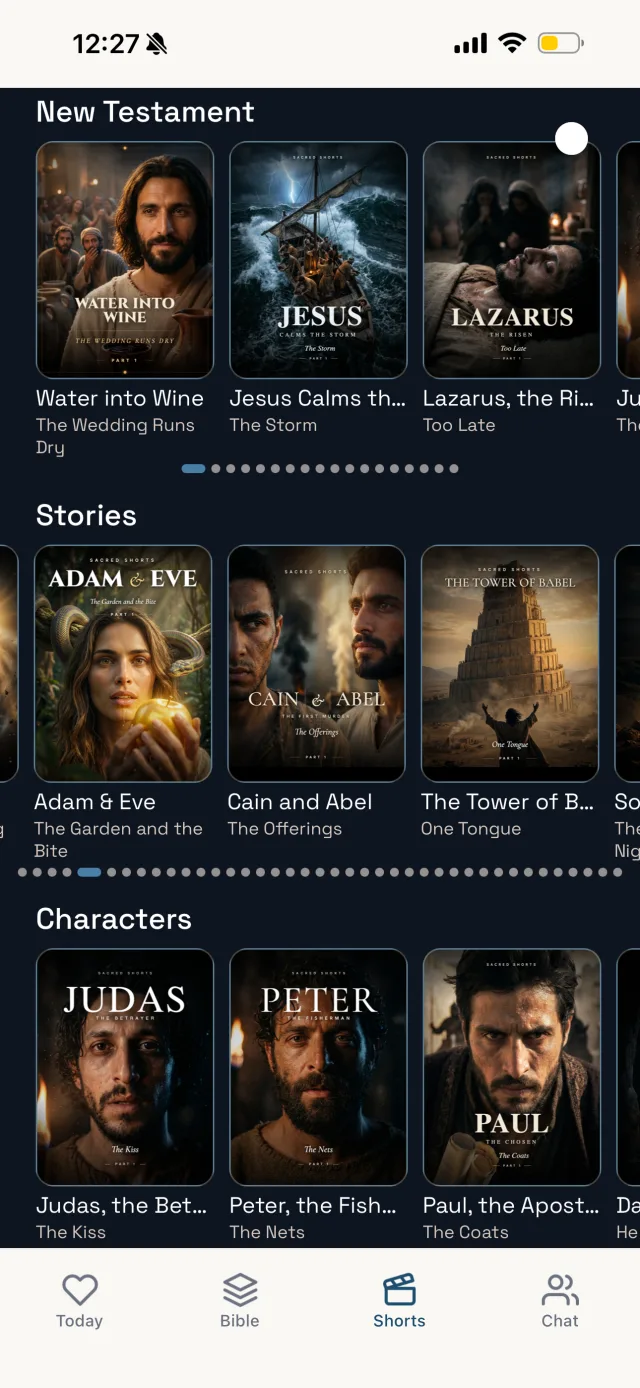
Watch this story come to life as a cinematic series in Sacred.
4.8on the App Store
Key Bible Verses About Divorce
Matthew 19:6
"So they are no longer two, but one flesh. Therefore what God has joined together, let no one separate."
Context: This verse is part of a dialogue between Jesus and the Pharisees recorded by Matthew around A.D. 70. The Pharisees questioned Jesus about the legality of divorce, and His response underscores the divine intention for marriage to be a permanent union.
Application: This passage encourages believers to view marriage as a lifelong commitment, emphasizing the sacredness of the marriage covenant. It prompts couples to seek unity and perseverance in their relationship.
Malachi 2:16
"'The man who hates and divorces his wife,' says the LORD, the God of Israel, 'does violence to the one he should protect,' says the LORD Almighty. So be on your guard, and do not be unfaithful."
Context: Written by the prophet Malachi around 450 B.C., this verse addresses the Israelites, who were being unfaithful in their marriages. The prophet calls them to honor their commitments and protect their spouses.
Application: This passage challenges believers to uphold the vows made in marriage and to act with love and fidelity, avoiding actions that harm the marital bond.
1 Corinthians 7:15
"But if the unbeliever leaves, let it be so. The brother or the sister is not bound in such circumstances; God has called us to live in peace."
Context: The Apostle Paul wrote this letter to the Corinthians around A.D. 55. In this passage, he addresses situations where a believer is married to an unbeliever who chooses to leave.
Application: This verse provides guidance for believers facing the difficult situation of separation due to differences in faith, emphasizing peace and freedom from guilt in such cases (1 Corinthians 7:15).
Matthew 5:32
"But I tell you that anyone who divorces his wife, except for sexual immorality, makes her the victim of adultery, and anyone who marries a divorced woman commits adultery."
Context: In the Sermon on the Mount, around A.D. 30, Jesus speaks about the severity of divorce and its consequences, highlighting sexual immorality as a possible ground for divorce.
Application: This passage encourages careful consideration and discernment when facing marital difficulties, urging couples to prioritize reconciliation except in cases of unfaithfulness.
Mark 10:11-12
"He answered, 'Anyone who divorces his wife and marries another woman commits adultery against
Looking for a daily moment with God? Sacred offers a guided prayer experience rooted in Scripture — just 6 minutes a day to find peace, clarity, and connection with God.
 Sacred Shorts
Watch the Bible like never before
Cinematic Bible stories, a complete Study Bible, daily devotionals, and guided prayer. New episodes every week.


Frequently asked questions
This article provides biblical insights with historical context, practical applications, and relevant Scripture passages to guide your daily life.
Begin by reflecting on one passage each day and consider how its message relates to your current circumstances.
All English Scripture citations use the NIV (New International Version).