
The story of the Tower of Babel, found in Genesis 11:1-9 (NIV), tells of humanity's attempt to build a tower reaching the heavens. God intervenes by confusing their language, causing them to scatter across the earth. This narrative highlights themes of unity, pride, and divine sovereignty, offering enduring lessons on human ambition and divine authority.
What happens in this Bible story?
The Tower of Babel story is a significant biblical narrative that speaks volumes about human ambition and divine intervention. In Genesis 11:1-9, the entire world had one language and a common speech. As people migrated from the east, they settled in Shinar and decided to build a city with a tower that reached the heavens. Their goal was to make a name for themselves and prevent being scattered across the earth. However, this act of pride did not go unnoticed by God. For more insights, see Bible Verses About Pride. Concerned about their unified defiance and potential, God confounded their language, making it impossible for them to communicate effectively. As a result, the people abandoned their project and dispersed across the globe, which is why the place was named Babel, as it was where the Lord confused the language of the whole world.
The story step by step
One Language and Common Speech
Genesis 11:1 begins with a world unified by one language. This commonality allowed for seamless communication and collaboration among humanity, setting the stage for their ambitious undertaking.
Settling in Shinar
As people moved eastward, they found a plain in Shinar. This fertile land provided an ideal location for establishing a city and embarking on their monumental project.
The Ambitious Plan
Unified in purpose, the people decided to build a city with a tower reaching the heavens. Their intention was to make a name for themselves and to avoid being scattered across the earth, showcasing human ambition and desire for self-reliance.
Divine Observation
In Genesis 11:5, God observes the city and the tower. Seeing their potential to accomplish anything they set their minds to, God is concerned about their unchecked ambition and the potential for rebellion.
Confusion of Languages
To thwart their plans, God confuses their language, causing a breakdown in communication. This divine intervention leads to chaos and halts the construction of the tower.
The Dispersion
Unable to communicate, the people abandon the project and scatter across the earth. This dispersion fulfills God's original command to fill the earth, as seen in Genesis 1:28, which is discussed in Genesis: Creation, Sin, and God's Promise.

The Bible has never felt like this
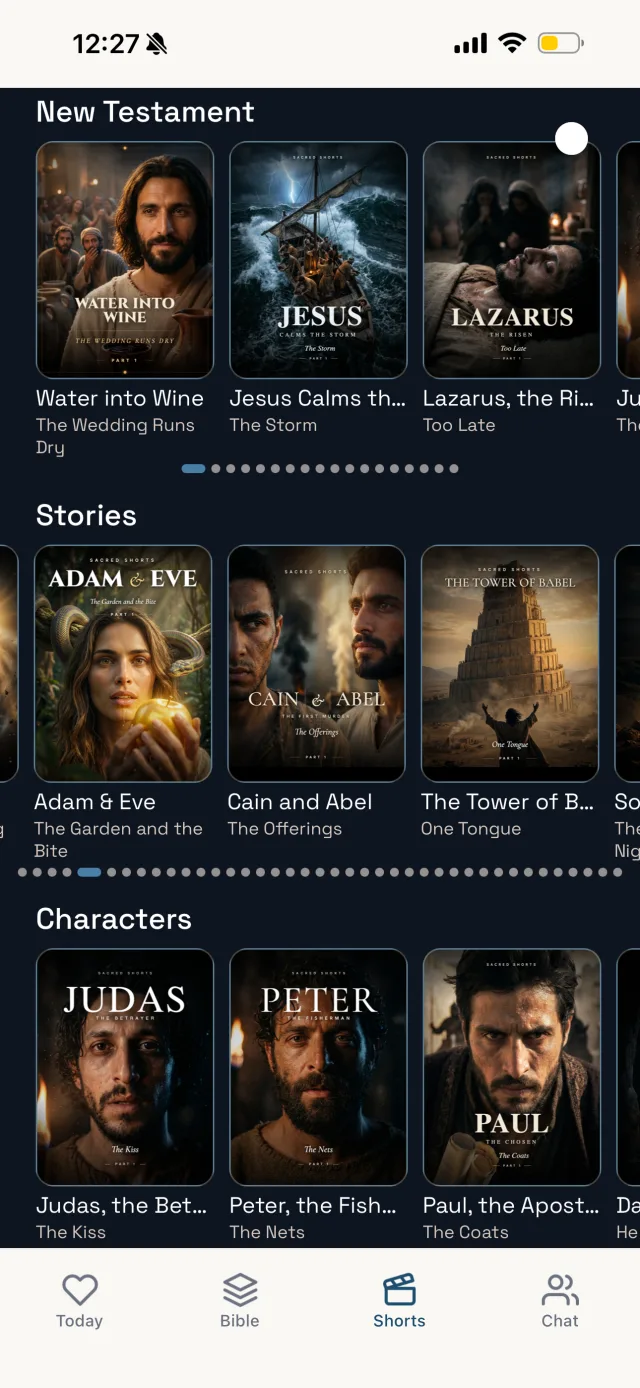
Watch this story come to life as a cinematic series in Sacred.
4.8on the App Store
What this story reveals about God and people
The Tower of Babel narrative reveals profound truths about both human nature and the divine character of God. On the human side, the story highlights the inherent desire for unity and the ambition to achieve great things. However, it also underscores the pitfalls of pride and the human tendency to overreach in defiance of divine authority. The builders' intention to make a name for themselves reflects a self-serving ambition that disregards God's greater purposes.
From a divine perspective, the story illustrates God's sovereignty and His active role in guiding human history. God's decision to confuse the language of the people at Babel is a demonstration of His authority and His ability to intervene in human affairs to fulfill His divine plan. This intervention serves as a reminder that while human beings have free will, God remains the ultimate arbiter of history, ensuring that His purposes will be accomplished.
The narrative also underscores the importance of obedience to God's commands. The scattering of the people across the earth was, in essence, a fulfillment of God's original command to "be fruitful and increase in number; fill the earth" (Genesis 1:28, NIV). By scattering the people, God ensures that His command is ultimately carried out, despite human resistance. This story serves as a powerful reminder of the importance of aligning human ambitions with God's will, a lesson that remains relevant in our own lives today. For more insights into biblical stories and their meanings, visit Sacred.
Key Bible verses from this story
-
Genesis 11:1-2 (NIV): "Now the whole world had one language and a common speech. As people moved eastward, they found a plain in Shinar and settled there."
Context: Sets the scene for the unity and collective ambition of humanity.
Application: Highlights the power and potential of unified human effort. -
Genesis 11:4 (NIV): "Then they said, 'Come, let us build ourselves a city, with a tower that reaches to the heavens, so that we may make a name for ourselves; otherwise we will be scattered over the face of the whole earth.'"
Context: Reflects human pride and desire for independence from God.
Application: Warns against self-centered ambitions that neglect divine guidance. -
Genesis 11:5 (NIV): "But the Lord came down to see the city and the tower the people were building."
Context: Illustrates God's active involvement in human affairs.
Application: Reminds us that God is aware of our actions and intentions. -
Genesis 11:7 (NIV): "Come, let us go down and confuse their language so they will not understand each other."
Context: God's response to human defiance and attempt to thwart divine plans.
Application: Encourages humility and recognition of God's ultimate authority. -
Genesis 11:9 (NIV): "
FAQ
[real question 1]
[real answer 1]
[real question 2]
[real answer 2]
[real question 3]
[real answer 3]
If you want to keep reflecting on this passage in a simple daily rhythm, Sacred can help you return to Scripture and prayer with focus.
This story also reminds modern readers that biblical narratives are not distant myths but formative accounts that shape worship, ethics, identity, and hope. Reading them slowly helps us see how God acts with purpose, how human choices matter, and how grace keeps opening a way forward even after failure or fear.
This story also reminds modern readers that biblical narratives are not distant myths but formative accounts that shape worship, ethics, identity, and hope. Reading them slowly helps us see how God acts with purpose, how human choices matter, and how grace keeps opening a way forward even after failure or fear.
 Sacred Shorts
Watch the Bible like never before
Cinematic Bible stories, a complete Study Bible, daily devotionals, and guided prayer. New episodes every week.

Frequently asked questions
[real answer 1]
[real answer 2]
[real answer 3]