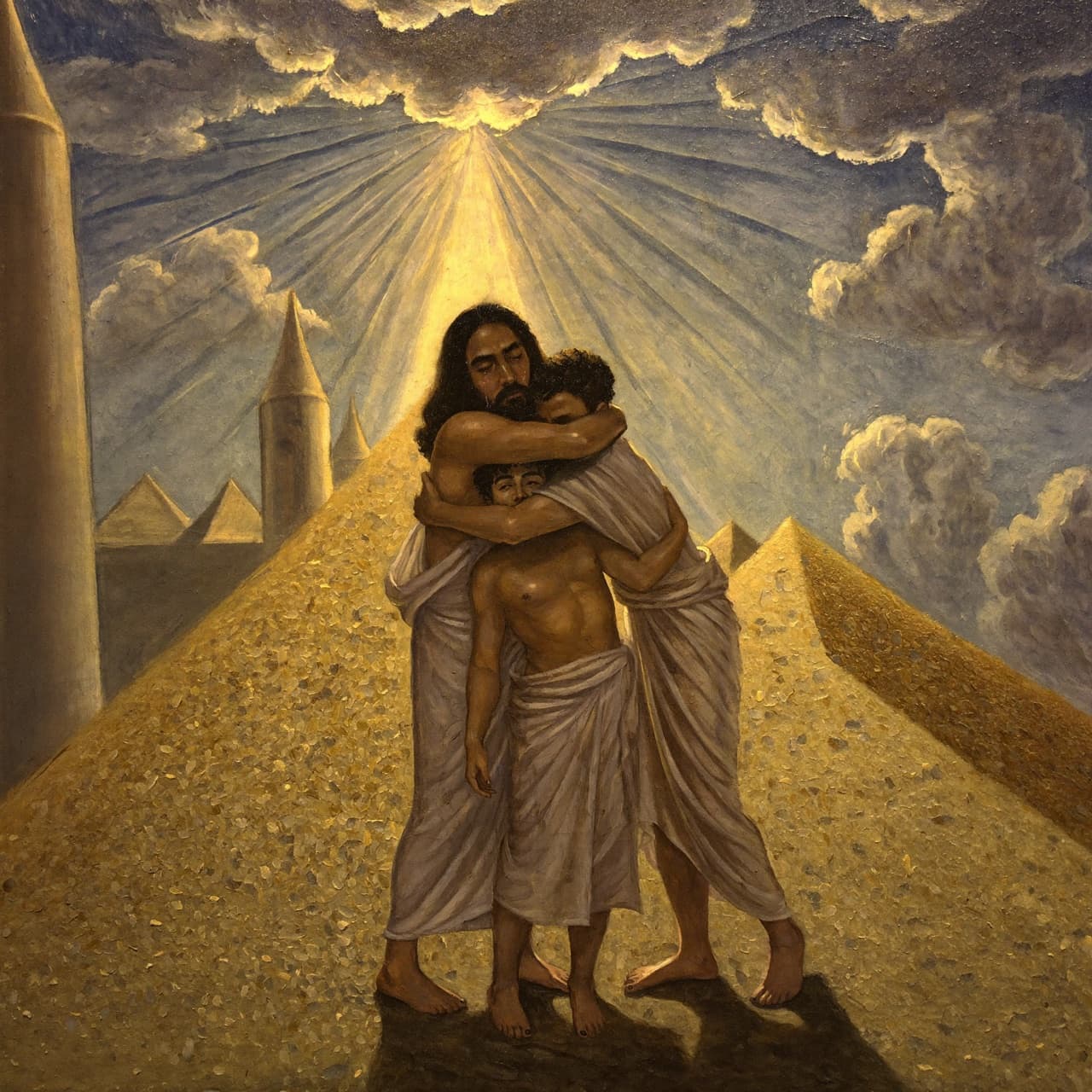
Quick Answer
The Gospel of John offers a unique perspective on Jesus' life, emphasizing His divinity and eternal nature. Through signs and teachings, John presents Jesus as the Son of God, inviting believers into a relationship that promises eternal life and spiritual transformation.
What Is the Gospel of John About?
The Gospel of John is one of the four canonical gospels in the New Testament, traditionally attributed to John the Apostle, the "beloved disciple" of Jesus. Written around 85-90 AD, this Gospel was crafted for a broad audience, including both Jews and Gentiles. John's narrative is distinctively different from the Synoptic Gospels (Matthew, Mark, and Luke) in its theological depth and focus on the identity of Christ.
John begins his Gospel with a profound declaration of Jesus as the Word of God made flesh, setting the stage for a series of events and teachings that reveal Jesus' divine nature. This Gospel is not merely a chronological account of Jesus' life but a theological exploration of His purpose and identity. Through a series of signs and "I am" statements, John aims to inspire belief in Jesus as the Messiah and Son of God, promising eternal life to all who believe.
John's Gospel is characterized by its deep spiritual insights and emphasis on the love and truth embodied in Jesus. It serves both as an introduction to the Christian faith and a theological treatise on the nature of Christ, inviting readers into a deeper understanding of who Jesus was and is.
Key Themes in the Gospel of John
Jesus as God
A central theme in John's Gospel is the divinity of Jesus Christ. This Gospel opens with the assertion that "the Word was God" (John 1:1, NIV), establishing Jesus as divine from the outset. Throughout the text, Jesus makes several "I am" statements that echo God's self-identification in the Old Testament, such as "I am the bread of life" (John 6:35, NIV). These declarations affirm Jesus' divine identity and mission.
Signs and Miracles
John's Gospel is structured around seven signs, or miracles, that demonstrate Jesus' divine authority and power. These signs, such as turning water into wine (John 2:1-11, NIV) and raising Lazarus from the dead (John 11:1-44, NIV), serve to reveal Jesus' glory and inspire belief in His divine nature. Each miracle is a testament to Jesus' power over natural and spiritual realms.
Eternal Life
The promise of eternal life is a recurring theme in John. Jesus offers eternal life to those who believe in Him, as seen in verses like John 3:16, "For God so loved the world that he gave his one and only Son, that whoever believes in him shall not perish but have eternal life" (NIV). Eternal life is presented not only as a future hope but as a present reality for believers.
The Holy Spirit
The Holy Spirit plays a vital role in the Gospel of John, acting as a Comforter and Guide for believers after Jesus' ascension. Jesus promises the Holy Spirit as a helper who will teach and remind believers of His teachings (John 14:26, NIV). This theme emphasizes the ongoing presence of God's Spirit in the lives of the faithful.
Belief and Faith
John's Gospel is a call to faith, urging readers to believe in Jesus as the Son of God. This theme is reinforced through various encounters and teachings, such as Jesus' conversation with Nicodemus and the declaration, "whoever believes in me will do the works I have been doing" (John 14:12, NIV). Faith is portrayed as the pathway to understanding and receiving God's promises.

The Bible has never felt like this
Watch this story come to life as a cinematic series in Sacred.
4.8on the App Store
Most Important Verses in John
John 1:1 (NIV): "In the beginning was the Word, and the Word was with God, and the Word was God." — This verse introduces the divine nature of Jesus, affirming His pre-existence and role in creation.
John 3:16 (NIV): "For God so loved the world that he gave his one and only Son, that whoever believes in him shall not perish but have eternal life." — Often considered the heart of the Gospel, this verse encapsulates God's love and the promise of eternal life through faith in Jesus. Explore more about John 3:16.
John 14:6 (NIV): "Jesus answered, 'I am the way and the truth and the life. No one comes to the Father except through me.'" — This verse underscores the exclusive and essential role of Jesus in salvation.
John 10:10 (NIV): "The thief comes only to steal and kill and destroy; I have come that they may have life, and have it to the full." — Jesus contrasts His purpose with that of the enemy, offering abundant life to His followers.
John 11:25-26 (NIV): "Jesus said to her, 'I am the resurrection and the life. The one who believes in me will live, even though they die; and whoever lives by believing in me will never die. Do you believe this?'" — This powerful statement to Martha affirms Jesus' power over death and the promise of eternal life.
What Can You Learn from John for Your Life?
The Gospel of John offers timeless insights into the nature of faith, the identity of Jesus, and the promise of eternal life. It invites readers to explore the profound depth of God's love and the transformative power of belief. By understanding Jesus as the Word made flesh, believers are encouraged to cultivate a personal relationship with Him, one that transcends mere religious observance.
The teachings in John emphasize the importance of recognizing Jesus as the source of truth, life, and spiritual fulfillment. In a world filled with uncertainty, John's Gospel provides a foundation for hope and assurance in God's eternal promises. To deepen your understanding and application of these timeless truths, consider utilizing resources like Sacred, which offers guided Bible studies and devotionals.
Embracing the themes of John's Gospel can enhance one's spiritual journey, fostering a deeper connection with God and a clearer understanding of His purpose for your life. Whether you are new to the faith or seeking to grow spiritually, the insights found in John offer profound encouragement and guidance.
As you embark on your study of the Gospel of John, remember that the journey of faith is both personal and communal. The support and resources available through platforms like Sacred can help you connect with a community of believers and explore the depths of Scripture with fresh eyes and open hearts. For further exploration, you might find it helpful to read related articles such as What Does the Bible Say About Faith and How to Start Reading the Bible.
 Sacred Shorts
Watch the Bible like never before
Cinematic Bible stories, a complete Study Bible, daily devotionals, and guided prayer. New episodes every week.


Frequently asked questions
Traditionally, the Gospel of John is attributed to John the Apostle, one of Jesus' twelve disciples. This authorship is supported by early church traditions.
The main theme is the divinity of Jesus Christ and His role as the Son of God who brings eternal life to those who believe.
John's Gospel contains unique material and focuses more on the theological aspects of Jesus' life, emphasizing His divine nature.
Some key miracles include turning water into wine, healing the blind man, and raising Lazarus from the dead.
[John 3:16](/blog/meaning-of-john-3-16) is significant as it encapsulates the Gospel message, emphasizing God’s love and the promise of eternal life through faith in Jesus.