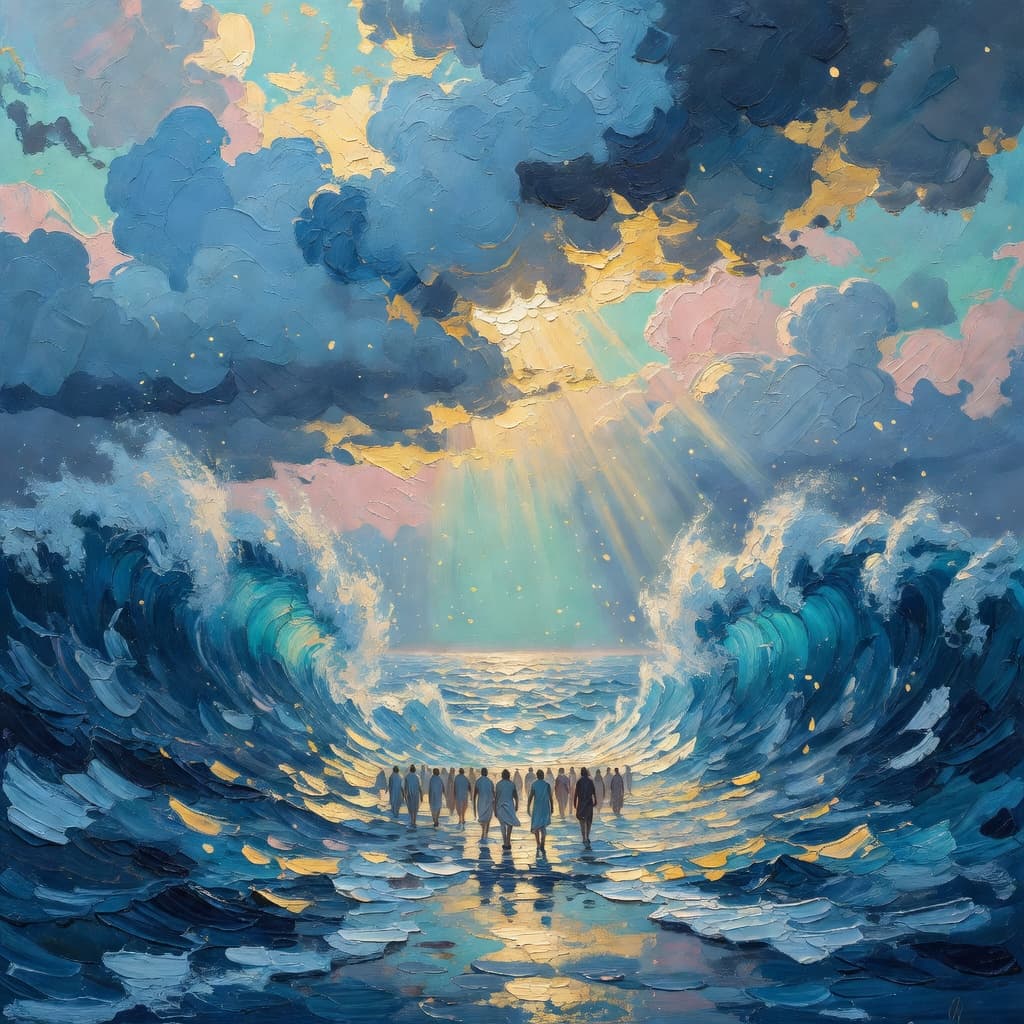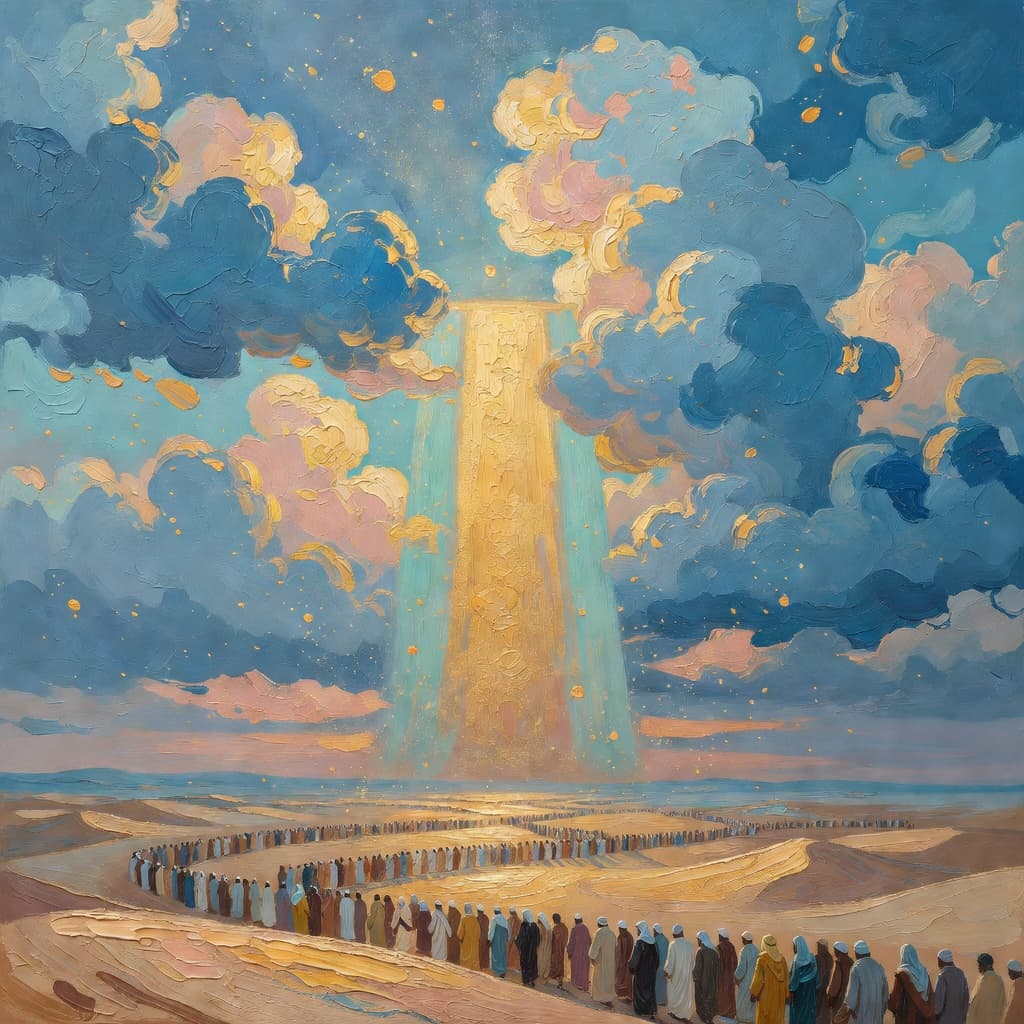
The biblical account of the creation of the world, as found in Genesis 1-2, outlines God's magnificent work in forming the universe and everything within it. This foundational narrative not only details the process of creation but also reveals profound truths about God's character and the inherent value of creation itself, as discussed in Bible Verses About Creation. Understanding this story can enrich our faith, offering insights into God's purpose and our place in the world.
What happens in this Bible story?
The creation story, recorded in Genesis chapters 1 and 2, describes how God created the universe over six days, resting on the seventh. It begins with God speaking light into existence, followed by the creation of the sky, land, seas, plants, celestial bodies, animals, and finally humans. Each act of creation is marked by God's declaration that it is "good," highlighting the perfection and intentionality behind His work. The culmination of this creative process is the creation of humanity, made in God's image, entrusted with stewardship over the earth.
This narrative is foundational to the Judeo-Christian worldview, providing a cosmic perspective on the origin of life and the universe. It emphasizes God's ultimate authority and creative power, as He brings order out of chaos. The story also sets the stage for the rest of the biblical narrative, establishing a relationship between God and His creation that is characterized by care, purpose, and responsibility. As we delve deeper into the specifics of each creation day, the grandeur of God's design becomes even more apparent.
The story step by step
Day 1: Light and Darkness
On the first day, God creates light, separating it from darkness. This act introduces the concept of time, with the establishment of day and night. The presence of light signifies God's ability to bring clarity and order from nothingness.
Day 2: Sky and Waters
The second day sees God creating the sky, dividing the waters above from those below. This separation highlights the structured nature of creation, as God forms distinct realms within the universe.
Day 3: Land, Seas, and Vegetation
God gathers the waters to reveal dry ground, which He calls land. Seas are formed, and God commands the land to produce vegetation. The emergence of plant life marks the beginning of a self-sustaining ecosystem, designed to support future life forms.
Day 4: Celestial Bodies
On the fourth day, God creates the sun, moon, and stars to govern time and seasons. These celestial bodies serve not only as markers of time but also as signs of God's continued provision and order in the universe.
Day 5: Aquatic and Avian Life
God fills the waters with living creatures and the sky with birds on the fifth day. This vibrant display of life signifies the diversity and abundance inherent in God's creation.
Day 6: Land Animals and Humanity
The sixth day is marked by the creation of land animals and humanity. Humans, made in God's image, are given dominion over the earth, reflecting God's authority and care. This day underscores the relational aspect of creation, as humanity is called to partner with God in stewarding the world.

The Bible has never felt like this
Watch this story come to life as a cinematic series in Sacred.
4.8on the App Store
What this story reveals about God and people
The creation narrative reveals several key aspects of God's character and His intentions for humanity. Firstly, it underscores God's omnipotence. By speaking the universe into existence, God demonstrates His unmatched power and authority. Each element of creation, from the smallest plant to the vast expanse of the heavens, reflects His attention to detail and the intentionality behind His creative acts.
Moreover, the story highlights God's goodness. As God declares each part of creation to be "good," we see a reflection of His perfect nature. The world, as God intended it, is a place of beauty and harmony, designed for flourishing. This goodness extends to humanity, created in God's image, indicating a unique relationship between God and people. Humanity's role as stewards of creation speaks to the responsibility and purpose God assigns to us.
The creation account also reveals God's desire for relationship. By creating humans in His image, God invites us into a partnership with Him, to care for and cultivate the earth. This relational aspect is foundational to understanding our identity and purpose. As we reflect on this story, it challenges us to live in a way that honors God’s design and fulfills our calling as caretakers of His creation. For more insights into the profound lessons of the creation story and its relevance today, explore the Sacred app.
Key Bible verses from this story
- Genesis 1:1: "In the beginning God created the heavens and the earth." This verse establishes the foundation of the biblical worldview, affirming God's role as the Creator of all things, as seen in Genesis 1:1.
- Genesis 1:27: "So God created mankind in his own image, in the image of God he created them; male and female he created them." This verse highlights the unique value and dignity of human beings.
- Genesis 1:31: "God saw all that he had made, and it was very good." God's declaration of creation's goodness emphasizes the perfection and intentionality behind His work.
- Genesis 2:2-3: “By the seventh day God had finished the work he had been doing; so on the seventh day he rested from all his work.” These verses introduce the concept of Sabbath, a day of rest and reflection.
- Genesis 2:15: "The Lord God took the man and put him in the Garden of Eden to work it and take care of it." This verse underscores humanity's role as stewards of creation.
Main lessons for life today
The creation story offers several timeless lessons applicable to our lives today. It reminds us of the intentionality and goodness of God's design, encouraging us to view the world and our existence as purposeful and valuable. Understanding that we are made in God's image challenges us to reflect His character in our interactions with others and the world around us. This narrative also emphasizes the importance of rest and reflection, as modeled by God's Sabbath rest, inviting us to embrace rhythms of work and rest in our own lives, highlighting the importance of stewardship.
Moreover, the story calls us to stewardship, urging us to care for the environment responsibly. As we engage with creation, we are reminded of our interconnectedness with all that God has made, leading us to live in ways that honor and preserve the natural world. By embracing these lessons, we align ourselves with God's original purpose and design for humanity. To further explore these insights and how they can be applied today, visit the Sacred app.
FAQ
-
[real question 1]
[real answer 1] -
[real question 2]
[real answer 2] -
[real question 3]
[real answer 3]
In pondering the creation of the world, we are invited to marvel at the intricate design and profound purpose embedded in every aspect of the universe. This biblical narrative not only informs our understanding of the world's origins but also provides a framework for living a life of purpose and stewardship. As we continue to explore these themes, the Sacred app offers additional resources to deepen our understanding and faith journey.
 Sacred Shorts
Watch the Bible like never before
Cinematic Bible stories, a complete Study Bible, daily devotionals, and guided prayer. New episodes every week.

Frequently asked questions
[real answer 1]
[real answer 2]
[real answer 3]