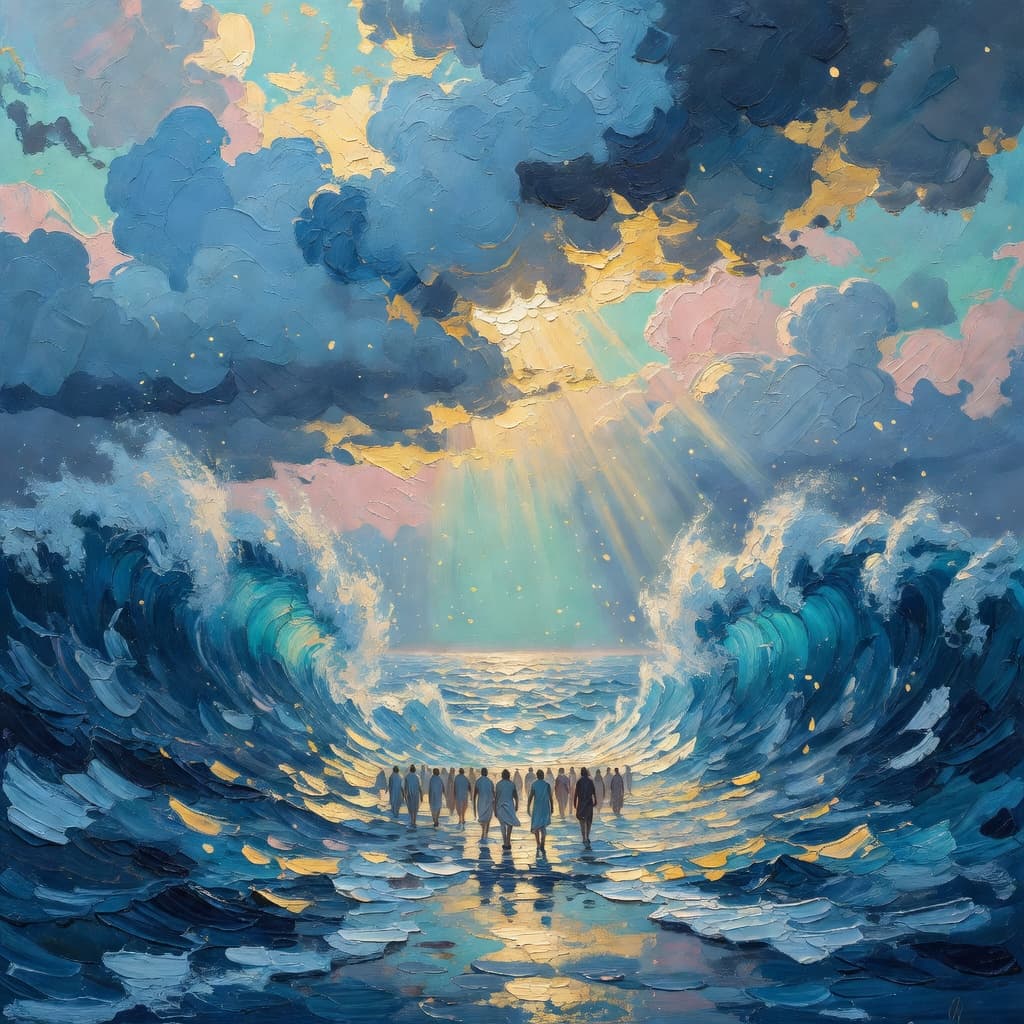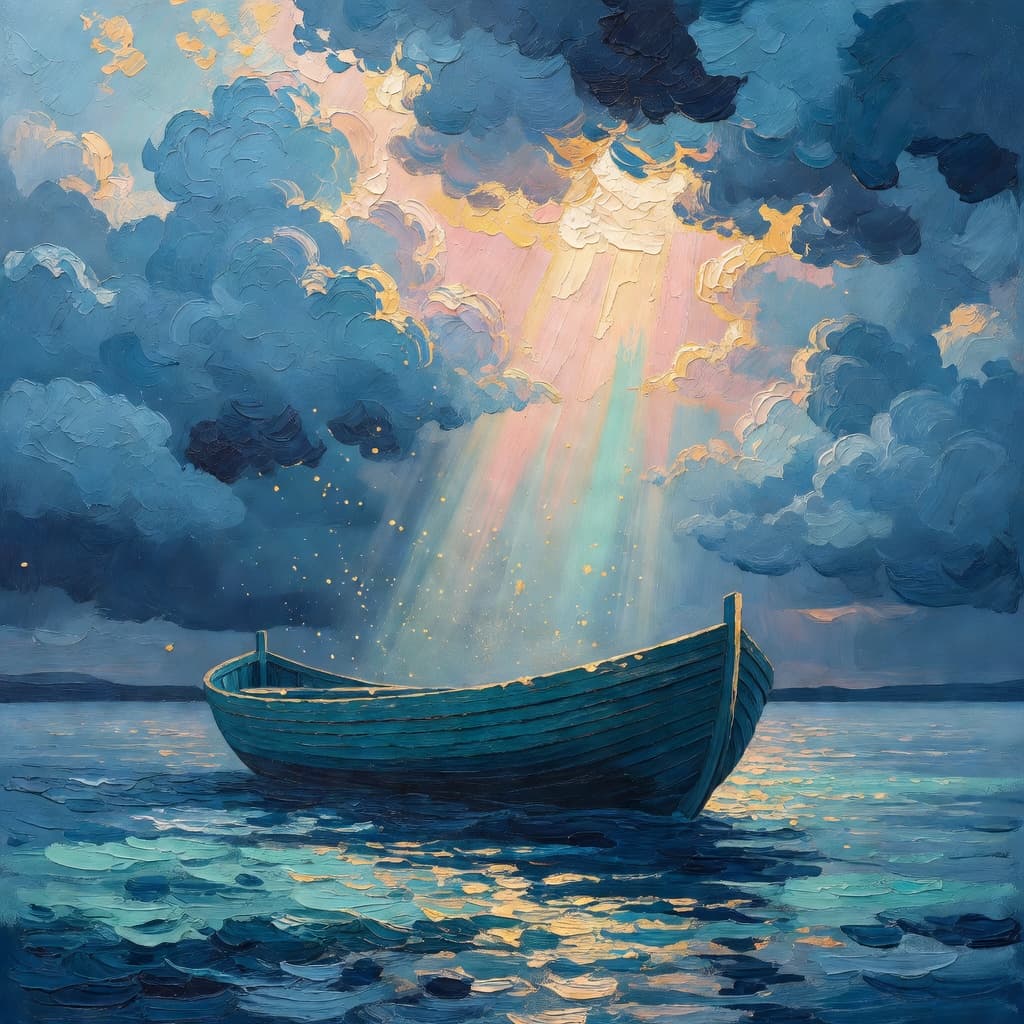
The story of Noah and the Flood is one of the most well-known narratives in the Bible, capturing the themes of judgment, grace, and new beginnings. Found in Genesis chapters 6 to 9, it tells of God's sorrow over human wickedness, His plan to cleanse the earth, and His covenant promise for the future.
What happens in this Bible story?
In the book of Genesis, God observes that humanity has become thoroughly corrupt and filled with violence, prompting His decision to cleanse the earth through a great flood. Noah, described as a righteous man, finds favor in God's eyes and is chosen to build an ark to save himself, his family, and pairs of every living animal. The floodwaters cover the earth for 150 days, after which they begin to recede. Once the land is dry, Noah, his family, and the animals disembark. God establishes a covenant with Noah, signified by a rainbow, promising never again to destroy the earth with a flood. This narrative not only demonstrates God's judgment but also His mercy and the faithfulness of His promises.
The story step by step
The State of Humanity
Humanity's wickedness grieves God deeply. Genesis 6:5-6 (NIV) states, "The Lord saw how great the wickedness of the human race had become on the earth, and that every inclination of the thoughts of the human heart was only evil all the time. The Lord regretted that he had made human beings on the earth, and his heart was deeply troubled." (Genesis 6:5-6)
Noah Finds Favor
Despite widespread corruption, Noah is described as a righteous and blameless man who walked faithfully with God (Genesis 6:9). Thus, God chooses Noah to carry out His plan for humanity's survival.
Building the Ark
God instructs Noah to construct an ark of cypress wood, specifying its dimensions and design (Genesis 6:14-16). This ark is a vessel of salvation amidst the impending judgment.
The Flood Begins
Once the ark is completed, Noah, his family, and the animals enter it. God shuts them in, and the floodwaters begin, lasting forty days and forty nights (Genesis 7:11-12).
Waters Recede
After 150 days, the waters start to recede. Noah sends out a raven and then a dove to see if the land is dry (Genesis 8:6-12). Eventually, the dove returns with an olive leaf, signaling that the earth is habitable again.
The Covenant with Noah
Upon exiting the ark, Noah builds an altar and offers sacrifices to God, who then makes a covenant with Noah, promising never to flood the earth again. The rainbow serves as a sign of this everlasting covenant (Genesis 9:12-17).

The Bible has never felt like this
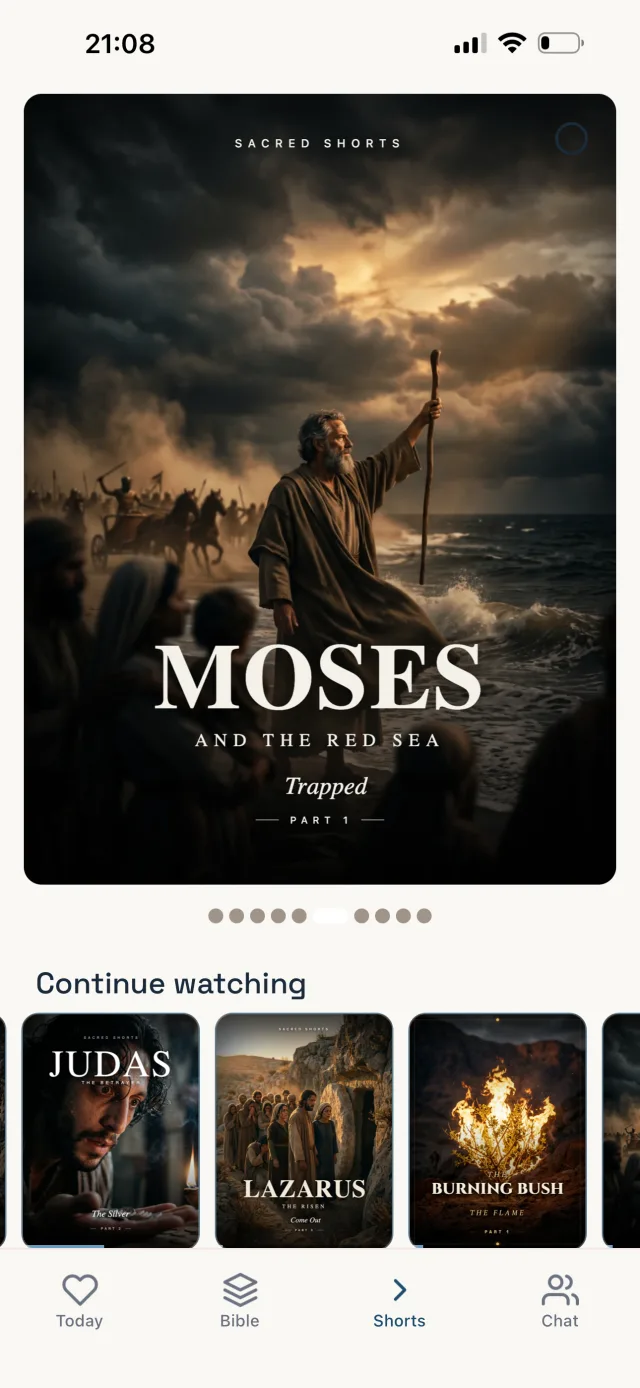
Watch this story come to life as a cinematic series in Sacred.
4.8on the App Store
What this story reveals about God and people
The story of Noah and the Flood is a profound reflection on the nature of God and humanity. It reveals the seriousness of sin and the necessity of divine judgment. Yet, it also showcases God's mercy through the preservation of Noah, a righteous man amidst a corrupt generation. This narrative teaches that while God is just, He is also loving and compassionate, providing a means of salvation for those who are faithful, as discussed in Finding Comfort in the Bible. Noah's obedience and faith are highlighted as exemplary, demonstrating how one person's righteousness can lead to God's favor and blessings.
The flood also serves as a reset for humanity, providing a fresh start with Noah's family as the new beginning. This story emphasizes God's sovereignty over creation and His power to restore and renew. The covenant with Noah, marked by the rainbow, is a reassuring promise of God's faithfulness to humanity, emphasizing His desire for a relationship with His creation. Through the flood narrative, we understand that God values righteousness and seeks to cultivate a world where justice and mercy prevail. For more insights into biblical themes, visit Sacred.
Key Bible verses from this story
- Genesis 6:5-6: Highlights the extent of humanity's wickedness and God's sorrow, setting the stage for the flood.
- Genesis 6:9: Introduces Noah as a righteous man, crucial to God's plan for salvation.
- Genesis 7:11-12: Describes the onset of the flood, emphasizing the magnitude of God's judgment.
- Genesis 8:6-12: Details Noah's efforts to ascertain the state of the earth, showing his patience and faith.
- Genesis 9:12-17: God's covenant with Noah, marked by the rainbow, underscores His promise and faithfulness.
Main lessons for life today
The story of Noah and the Flood offers several timeless lessons. It underscores the consequences of sin and the importance of living a righteous life. Noah's faith and obedience exemplify the virtues of trust and perseverance in God's promises. The narrative also highlights God's mercy and the hope of new beginnings, reminding us of His enduring covenant with humanity. In today's world, we are encouraged to embody righteousness and faithfulness, trusting in God's plans and promises for our lives.
FAQ
-
Who was Noah in the Bible?
Noah was a righteous man chosen by God to survive the great flood and preserve human and animal life. -
Why did God send the flood?
God sent the flood to cleanse the earth of human wickedness, saving only Noah, his family, and the animals aboard the ark. -
What is the significance of the rainbow in Noah's story?
The rainbow is a sign of God's covenant with Noah, promising never to destroy the earth with a flood again.
The story of Noah and the Flood remains a powerful testament to God's justice, mercy, and faithfulness. It invites us to consider our own lives and relationship with God, encouraging a path of righteousness and trust in His promises. For further exploration of biblical stories and their meanings, visit Sacred.
This story also reminds modern readers that biblical narratives are not distant myths but formative accounts that shape worship, ethics, identity, and hope. Reading them slowly helps us see how God acts with purpose, how human choices matter, and how grace keeps opening a way forward even after failure or fear.
 Sacred Shorts
Watch the Bible like never before
Cinematic Bible stories, a complete Study Bible, daily devotionals, and guided prayer. New episodes every week.
Frequently asked questions
Noah was a righteous man chosen by God to survive the great flood and preserve human and animal life.
God sent the flood to cleanse the earth of human wickedness, saving only Noah, his family, and the animals aboard the ark.
The rainbow is a sign of God's covenant with Noah, promising never to destroy the earth with a flood again.