Quick Answer
Numbers 6:24-26 is the priestly blessing: the words God Himself gave to Moses for Aaron and his sons to speak over Israel. In three rising lines, it promises God's protection, His favor and grace, and His peace. It is God placing His name on His people and declaring how He wants to relate to them: guarding them, smiling on them, and giving them shalom.
The Full Verse
Numbers 6:24-26 (NIV): "The LORD bless you and keep you; the LORD make his face shine on you and be gracious to you; the LORD turn his face toward you and give you peace."
Numbers 6:24-26 (KJV): "The LORD bless thee, and keep thee: The LORD make his face shine upon thee, and be gracious unto thee: The LORD lift up his countenance upon thee, and give thee peace."
Historical Context
These words were given in the Sinai wilderness, around 1445 BC, shortly after Israel left Egypt. The people were being organized as a nation and learning to live with God dwelling in the middle of the camp. In Numbers 6:22-23, God commands Moses: "Tell Aaron and his sons, 'This is how you are to bless the Israelites.'" In other words, the blessing was not a human composition: God Himself dictated the exact words.
Verse 27 explains the purpose: "So they will put my name on the Israelites, and I will bless them." The priests lent their voices, but the one doing the blessing was God. In Jewish tradition it is known as the "birkat kohanim" (the priests' blessing), and it is still recited today.
A remarkable detail: in 1979, two small silver amulets from the 7th century BC were found at Ketef Hinnom, near Jerusalem, inscribed with the text of this blessing. They are the oldest surviving fragments of any biblical text, centuries older than the Dead Sea Scrolls.
What Does Numbers 6:24-26 Mean?
The blessing has three lines that grow in intensity, and each one names the LORD. It is worth looking at it phrase by phrase.
"The LORD bless you and keep you"
To "bless" (Hebrew "barak") is more than wishing someone well: it is God actively bestowing His favor and provision. To "keep" ("shamar") is the verb of the watchman guarding a city through the night; the same word Psalm 121 uses: "He who watches over you will not slumber." The first line covers the essentials: that God would provide and protect.
"The LORD make his face shine on you"
This is one of the most tender images in the Bible. A face that "shines" is a face lighting up with joy at the sight of someone loved, like a father's when his child walks into the room. The opposite — God "hiding His face" — was the worst of calamities for the Old Testament believer. Here God promises the reverse: to look at His people with warmth and delight.
"And be gracious to you"
The Hebrew verb "chanan" means to show grace: a favor that cannot be earned or demanded, only received. The blessing acknowledges that our relationship with God does not rest on human merit but on His generosity. Grace is God bending toward us with kindness we did not deserve.
"The LORD turn his face toward you"
To "turn" or "lift up" one's face toward someone is to give them full, personal attention. It is the opposite of ignoring someone or turning your back. God does not bless His people from a distance or as a formality: He looks at them directly, one by one. In fact, the whole blessing is in the singular: "bless you," "keep you." Each Israelite could hear it as addressed to them personally.
"And give you peace"
The final word is "shalom," and it is far more than the absence of conflict: it is wholeness, integrity, complete well-being — life working the way God designed it. The entire blessing flows toward this point: God's protection, favor, and grace produce a peace that reaches body, soul, and relationships.

The Bible has never felt like this
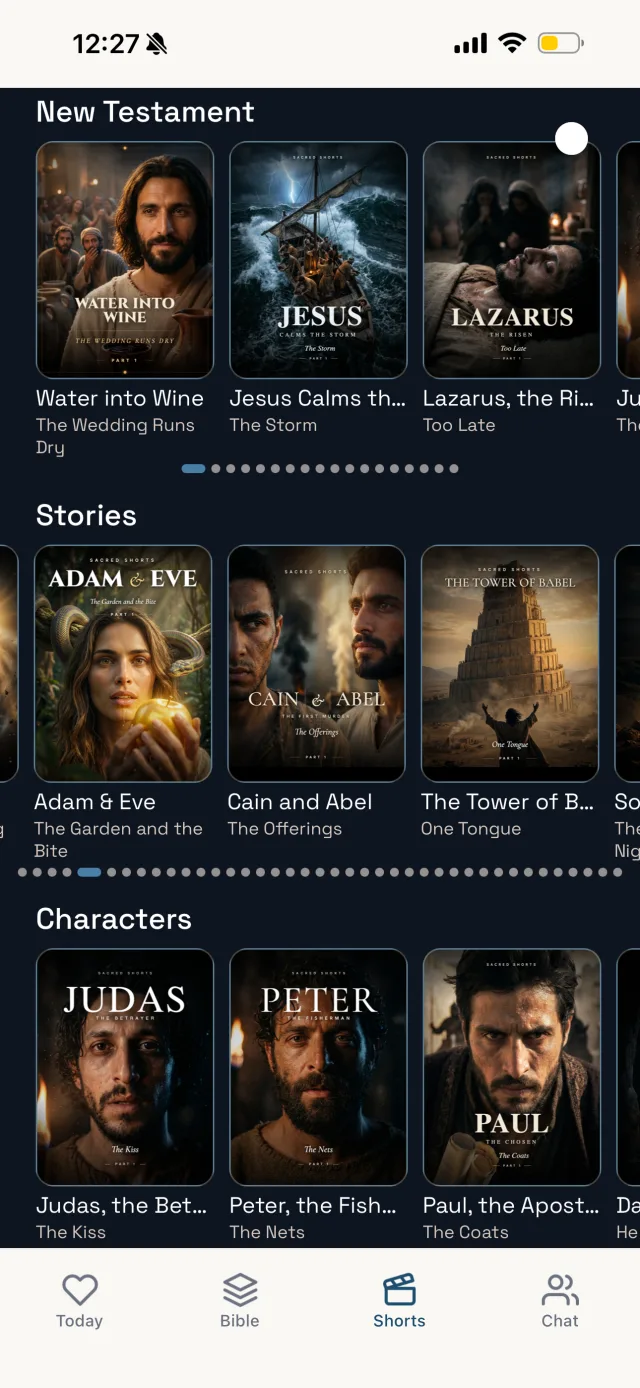
Watch this story come to life as a cinematic series in Sacred.
4.8on the App Store
What Numbers 6:24-26 Teaches
Above all, the priestly blessing teaches what God's heart toward His people is like. God could have dictated words of warning; He chose to dictate words of blessing. In every line He is the subject: it is God who blesses, keeps, shines, shows grace, and gives peace — we simply receive. It also teaches that blessing is personal (it is spoken in the singular) and that it culminates in shalom: God's final goal for His people is not merely to shield them from harm, but to give them a full life in His presence. For the Christian, this blessing anticipates Jesus, in whom God's face became visible and His peace was handed over: "Peace I leave with you; my peace I give you" (John 14:27).
How to Apply Numbers 6:24-26 to Your Life
First, receive it. Before it is a prayer for others, it is a declaration of how God looks at you: with delight, not reproach. You can begin your day by reading it slowly, placing your own name in it, and letting it correct any distorted picture of a distant or angry God.
Second, use it to bless. For centuries, fathers and mothers have prayed it over their children, and pastors over their congregations. You can speak it over your family before bed, write it in a message to someone going through a hard season, or close a group prayer time with it.
Third, let it reorder your priorities. The blessing never mentions success, possessions, or perfect circumstances; it asks for God's presence, favor, and peace. Praying this way, day after day, trains the heart to seek what truly sustains life.
Related Verses
Psalm 23 (NIV): "The LORD is my shepherd, I lack nothing." — The care the blessing promises, painted with the image of the shepherd who guides and protects.
Isaiah 41:10 (NIV): "Do not fear, for I am with you." — God's presence keeping His people, the central theme of the blessing.
Joshua 1:9 (NIV): "The LORD your God will be with you wherever you go." — God's companionship at every step, an echo of "keep you."
Psalm 121:7-8 (NIV): "The LORD will keep you from all harm — he will watch over your life." — An entire psalm devoted to the "keeping" of the blessing's first line.
John 14:27 (NIV): "Peace I leave with you; my peace I give you." — Jesus handing over the shalom in which the priestly blessing culminates.
You can explore more studies like this one in the verse meanings section. Numbers 6:24-26 remains what it was in the wilderness: God's name placed upon His people, and His face turned toward you.
 Sacred Shorts
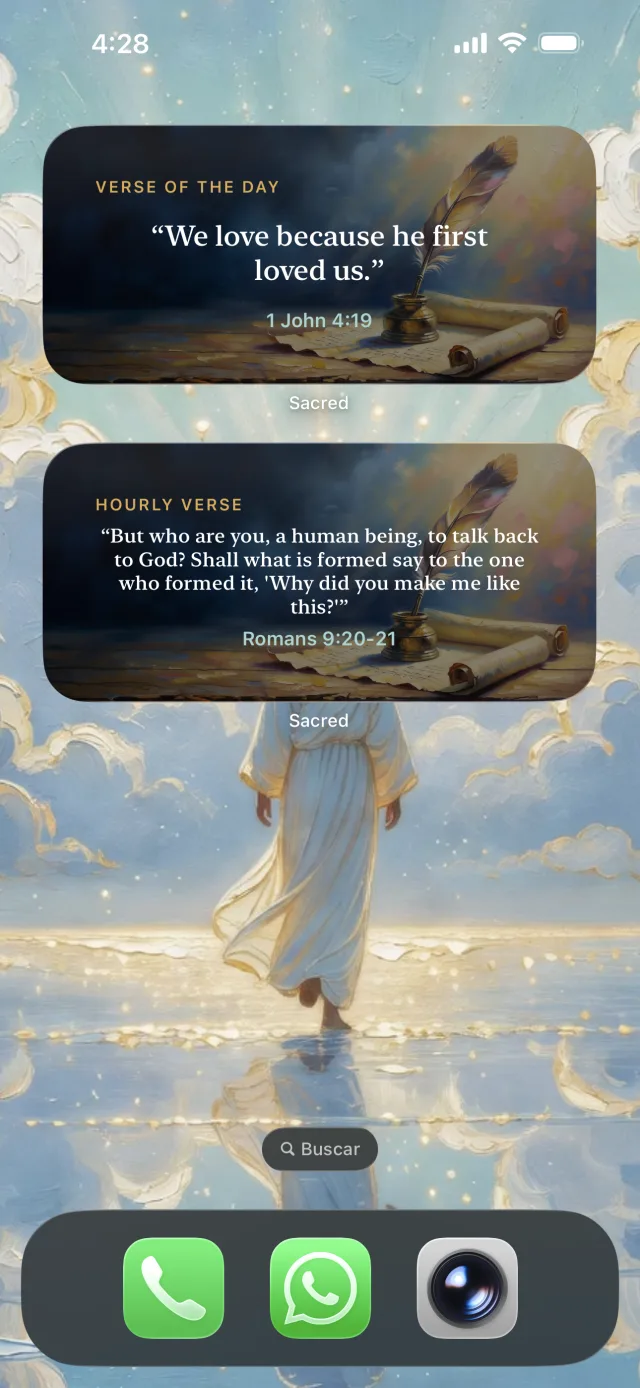
Watch the Bible like never before
Cinematic Bible stories, a complete Study Bible, daily devotionals, and guided prayer. New episodes every week.

Frequently asked questions
It is the blessing God Himself gave to Moses for Aaron and his sons to pronounce over Israel. Through it, God placed His name on His people and promised them protection, grace, and peace.
It is a Hebrew image of God's favor: like a face lighting up at the sight of someone dearly loved. It means God looks at you with delight, closeness, and goodwill, not with distance or anger.
Yes. Although it was given to Israel's priests, believers have used it for centuries to bless their children, families, and churches, as a prayer asking for God's protection, grace, and peace.