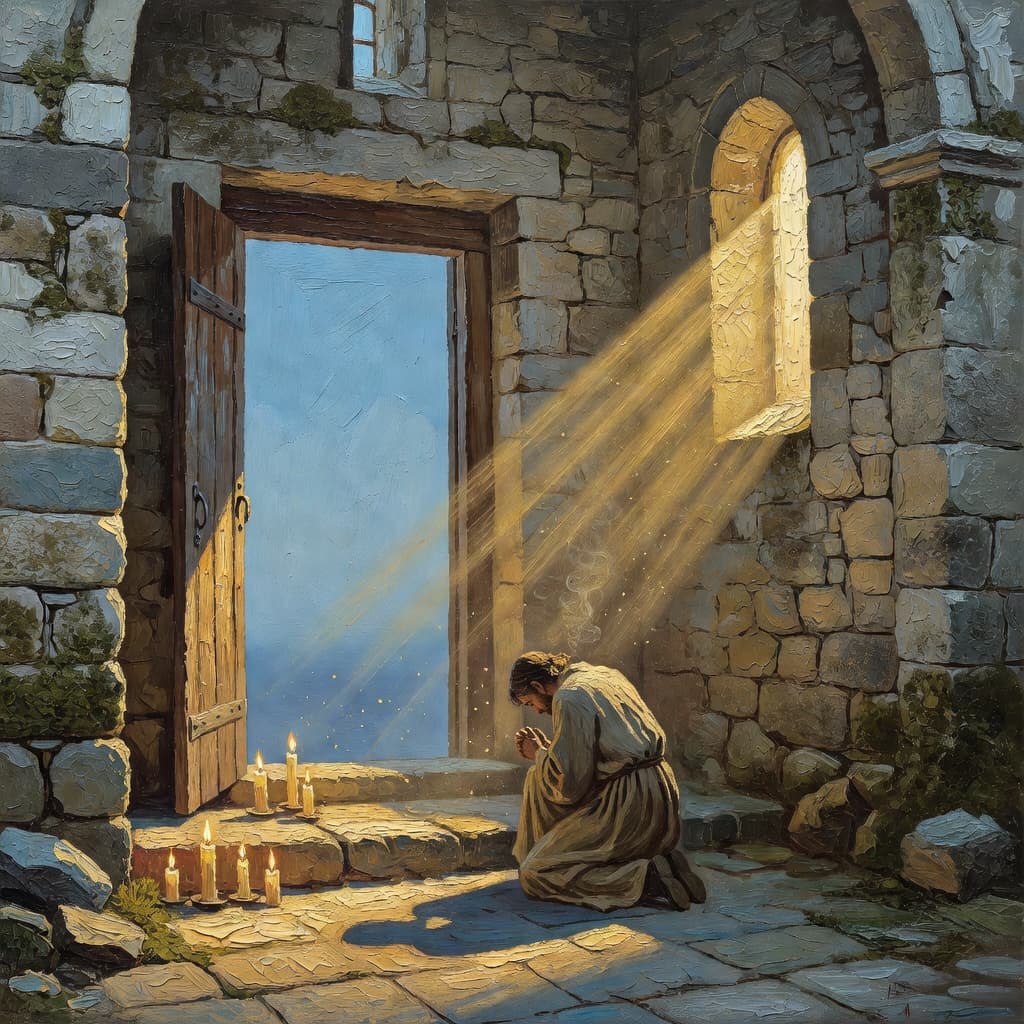
Dealing with doubt as a Christian involves understanding that doubt is a natural part of faith and can lead to deeper belief. By turning to scripture, prayer, and community, you can navigate these moments of uncertainty and strengthen your relationship with God. Consider exploring Bible Verses About Trusting God's Plan for additional support.
Why This Matters
Doubt can be unsettling, but it is a common experience for many Christians. The Bible provides numerous examples of individuals who faced doubt and uncertainty, only to emerge with stronger faith. For verses that can bring you comfort, check out Finding Comfort in the Bible: Verses to Soothe the Soul. Consider Thomas, one of Jesus' disciples, who famously doubted the resurrection until he saw Jesus with his own eyes (John 20:24-29). Jesus did not condemn Thomas for his doubt; instead, He offered him the evidence he needed to believe. This passage teaches that doubt does not disqualify us from faith but can be an opportunity for growth.
The Bible also encourages believers to seek wisdom and understanding. James 1:5 (NIV) states, "If any of you lacks wisdom, you should ask God, who gives generously to all without finding fault, and it will be given to you." This scripture suggests that God welcomes our questions and doubts and promises to provide guidance and clarity.
Understanding that doubt is a part of faith underscores the importance of addressing it constructively. By doing so, we can prevent doubt from becoming a barrier to our spiritual growth and instead use it as a stepping stone to a more profound faith experience.
Step-by-Step Guide
1. Acknowledge Your Doubt
Instruction: Admit that you are experiencing doubt. It is the first step in addressing the issue.
Bible Verse: "I do believe; help me overcome my unbelief!" (Mark 9:24, NIV)
Practical Tip: Write down your doubts in a journal. This can help you organize your thoughts and identify specific areas where you seek clarity.
2. Seek Answers in Scripture
Instruction: Turn to the Bible for guidance and answers to your doubts.
Bible Verse: "Your word is a lamp for my feet, a light on my path." (Psalm 119:105, NIV)
Practical Tip: Use a Bible study guide or a faith app like Sacred to find relevant scriptures that address your questions.
3. Pray for Wisdom
Instruction: Ask God for wisdom and guidance as you navigate your doubts.
Bible Verse: "If any of you lacks wisdom, you should ask God, who gives generously to all without finding fault, and it will be given to you." (James 1:5, NIV)
Practical Tip: Set aside time each day to pray specifically about your doubts and listen for God's response.
4. Talk to Trusted Believers
Instruction: Share your doubts with other Christians who can offer support and insight.
Bible Verse: "Therefore encourage one another and build each other up, just as in fact you are doing." (1 Thessalonians 5:11, NIV)
Practical Tip: Join a Bible study group or reach out to a mentor in your church community.
5. Reflect on Past Experiences
Instruction: Look back at times when God has been faithful in your life.
Bible Verse: "Remember the wonders he has done, his miracles, and the judgments he pronounced." (1 Chronicles 16:12, NIV)
Practical Tip: Create a timeline of significant moments in your faith journey where you felt God's presence and guidance.

The Bible has never felt like this
Watch this story come to life as a cinematic series in Sacred.
4.8on the App Store
Common Mistakes
1. Ignoring Doubts
Mistake: Pretending your doubts don't exist.
Solution: Face your doubts head-on and explore them with curiosity and openness, using scripture and prayer as your guide.
2. Isolating Yourself
Mistake: Keeping doubts to yourself and avoiding community.
Solution: Engage with your church community or faith groups. Sharing can provide new perspectives and reaffirm your beliefs.
3. Seeking Quick Fixes
Mistake: Expecting immediate answers or resolutions.
Solution: Be patient and allow yourself time to process and reflect. Understanding often unfolds gradually.
4. Relying Solely on Emotion
Mistake: Allowing feelings to dictate your faith journey.
Solution: Balance emotions with scripture and reason. Use Biblical teachings to ground your faith, especially when emotions fluctuate.
A Simple Plan to Start Today
One concrete action you can take right now is to meditate on a specific scripture that addresses doubt. Choose a verse like James 1:5 and spend five minutes reflecting on its meaning and how it applies to your situation. The Sacred app can guide you through a personalized meditation, helping you to find peace and clarity in moments of uncertainty.
FAQ
1. Is it okay to doubt as a Christian?
Yes, doubting is a natural part of faith. It can lead to deeper understanding and stronger belief when addressed constructively.
2. How can scripture help with doubt?
Scripture provides guidance, wisdom, and examples of others who have faced doubt, offering reassurance and answers to your questions.
3. What role does prayer play in overcoming doubt?
Prayer is essential in seeking wisdom and clarity from God. It opens a channel for communication and helps you align your thoughts with God's will.
4. How can I involve my community in dealing with doubt?
Sharing your doubts with trusted believers can provide support, new insights, and encouragement, making you feel less isolated.
5. Can doubt make my faith stronger?
Yes, when addressed properly, doubt can be a catalyst for growth, leading to a more resilient and profound faith.
In the journey of faith, doubt is not something to fear but an opportunity to deepen your relationship with God. By acknowledging it and seeking wisdom through prayer, scripture, and community, you can transform doubt into a source of strength. For personalized guidance and daily inspiration, consider using Sacred, which offers tools to support your spiritual journey. Additionally, engaging with the app can provide you with resources to further explore your faith and address any lingering doubts you may have. Remember, you are not alone in this journey, and there are many resources available to help you navigate your faith.
 Sacred Shorts
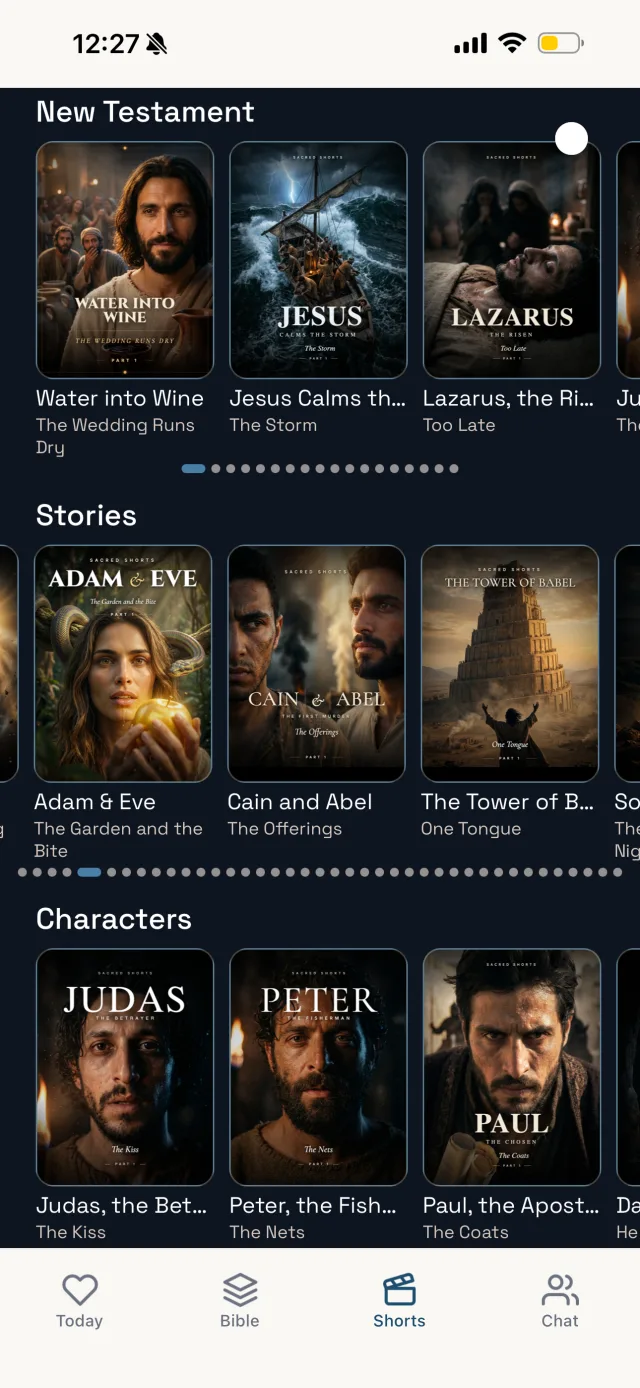
Watch the Bible like never before
Cinematic Bible stories, a complete Study Bible, daily devotionals, and guided prayer. New episodes every week.

Frequently asked questions
Doubt itself is not a sin. The Bible shows many faithful people — including Thomas, David, and even John the Baptist — who experienced doubt. What matters is what you do with it: bring it honestly to God rather than letting it pull you away.
Start with honest prayer, read the Psalms (especially Psalm 13 and 42), talk to a trusted mentor, and remember past moments when God was faithful. Faith often grows through seasons of doubt.
James 1:5-6 encourages asking God for wisdom without shame. Mark 9:24 shows a father crying 'I believe; help my unbelief!' — showing that faith and doubt can coexist, and God meets us where we are.